


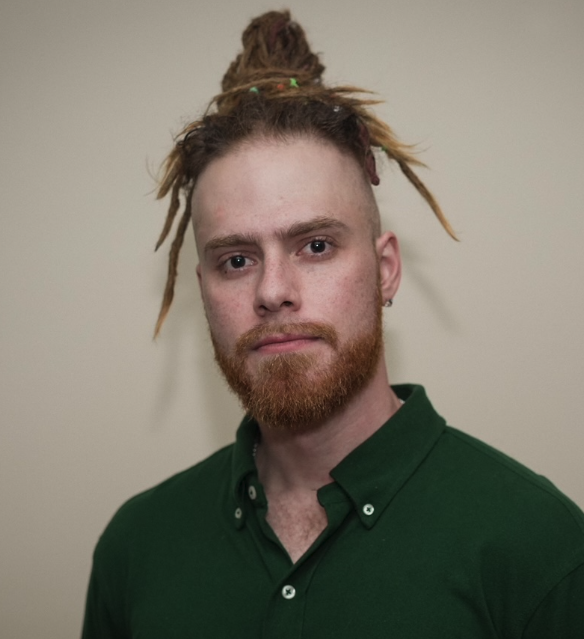

Indigenous leaders have teamed up with DrinkWise to encourage people to stay alcohol-free when planning a pregnancy, during pregnancy and while breastfeeding, in support of International FASD (Fetal Alcohol Spectrum Disorder) Awareness Day on September 9.
Gamilaroi woman and 13YARN National Manager Marjorie Anderson said raising awareness was key to reducing harm.
"Raising awareness and educating people about FASD while reducing stigma and shame is vital," she said.
"It's important that our mob understand the risks of drinking alcohol during pregnancy and know where to find support.
"We want everyone in our community to feel confident reaching out for help when they need it... that's why 13YARN is here to provide a safe, culturally respectful space for a yarn about any challenges, worries or questions, free from judgement."
According to the Australian Institute of Health and Welfare's analysis of the 2023 National Perinatal Data Collection, 86.4 per cent of women who identified as Indigenous did not drink alcohol in the first 20 weeks of pregnancy and 90.1 per cent did not drink after 20 weeks.
Research also found only 86 per cent of Australian adults encouraged pregnant people to abstain from alcohol throughout the pregnancy process, after learning about FASD.
Eighty-seven per cent of women who are currently pregnant, planning a pregnancy or breastfeeding say a partner, friend or family member making sure they have non-alcoholic drinks available at family events makes it easier to not drink alcohol during their pregnancy.
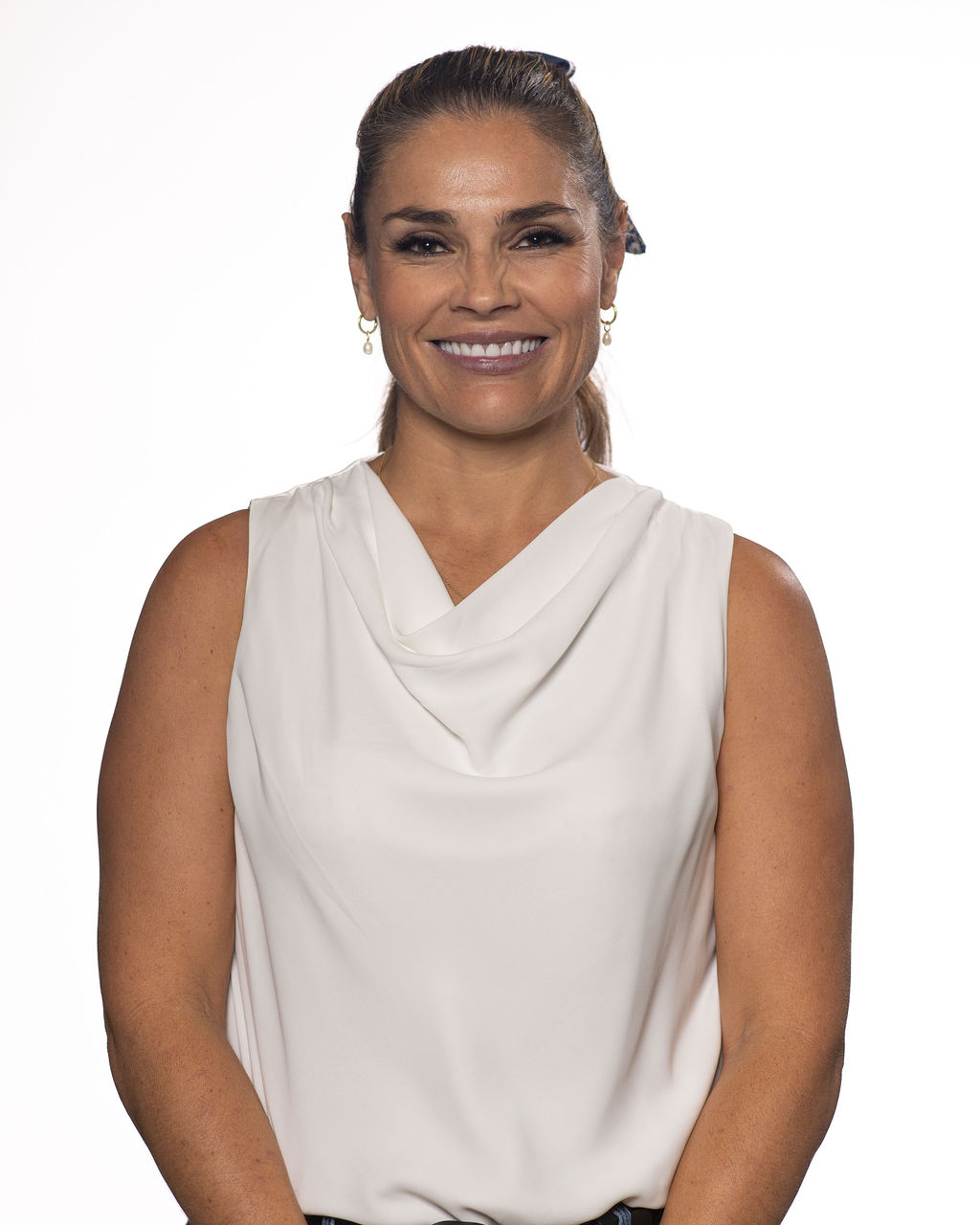
Dr Sarah Jane Springer, a GP-obstetrician and mother, said FASD is entirely preventable.
"FASD is permanent, but the good news is it's 100 per cent preventable if alcohol is avoided when trying for baby, during pregnancy and while breastfeeding," she said.
"Even small amounts of alcohol can affect a bub's brain - the parts that help with learning, memory, behaviour, language and making decisions.
"My advice to parents, parents-to-be and their support networks - and this includes partners, uncles, brothers, dads - is simple: don't drink alcohol when planning a pregnancy, while pregnant, or when breastfeeding."
Dr Springer said culturally safe campaigns make the message stronger.
"This DrinkWise FASD campaign matters because it shares these messages in a way that feels culturally safe and relatable, with role models like Deb Mailman helping mob see themselves reflected," she said.
"Keeping this yarn going is so important, because the more we talk about it, the more we can protect our next generation."
Bidjara woman and actor Deb Mailman said she made her own choices during pregnancy with her children's health in mind.
"As a mum, the health and wellbeing of my kids is the most important thing to me," she said.
"I didn't drink alcohol while I was pregnant because of the risks of FASD.
"Drinking while pregnant can damage your child's brain and affect their development."
DrinkWise CEO Simon Strahan said the campaign is focused on turning awareness into everyday choices.
"This campaign is about keeping the conversation going so that every community feels informed and supported to make alcohol-free pregnancies the norm," he said.
"We must turn knowledge into action by reinforcing that FASD is 100% preventable. Ongoing support from partners, families and friends is crucial in helping women choose alcohol-free pregnancies.
"As a respected Indigenous GP-obstetrician, Dr Springer brings an important voice to this year's campaign... her involvement is key to ensuring that culturally relevant education reaches Indigenous communities, encouraging women to feel confident and supported in making that choice."
More information is available on the DrinkWise website.



