


A truth-telling quest around the impact of the 150-year-old Overland Telegraph Line between Adelaide and Darwin on Indigenous people along the route is set to begin.
The National Communications Museum-led research project will be funded by Telstra as part of the company's new reconciliation action plan.
The 3200km line was built in 1872 to send messages across country. When linked up with Java, the cable effectively ended Australia's isolation from the world.
NCM First People's curator Nathan Leitch said the 150th anniversary of the line was an ideal time to tell both sides of the story.
"This truth-telling project will empower First Nations people, finally including their perspectives in what has been a largely one-sided history," he said.
"Importantly, it will also allow them to be storytellers."
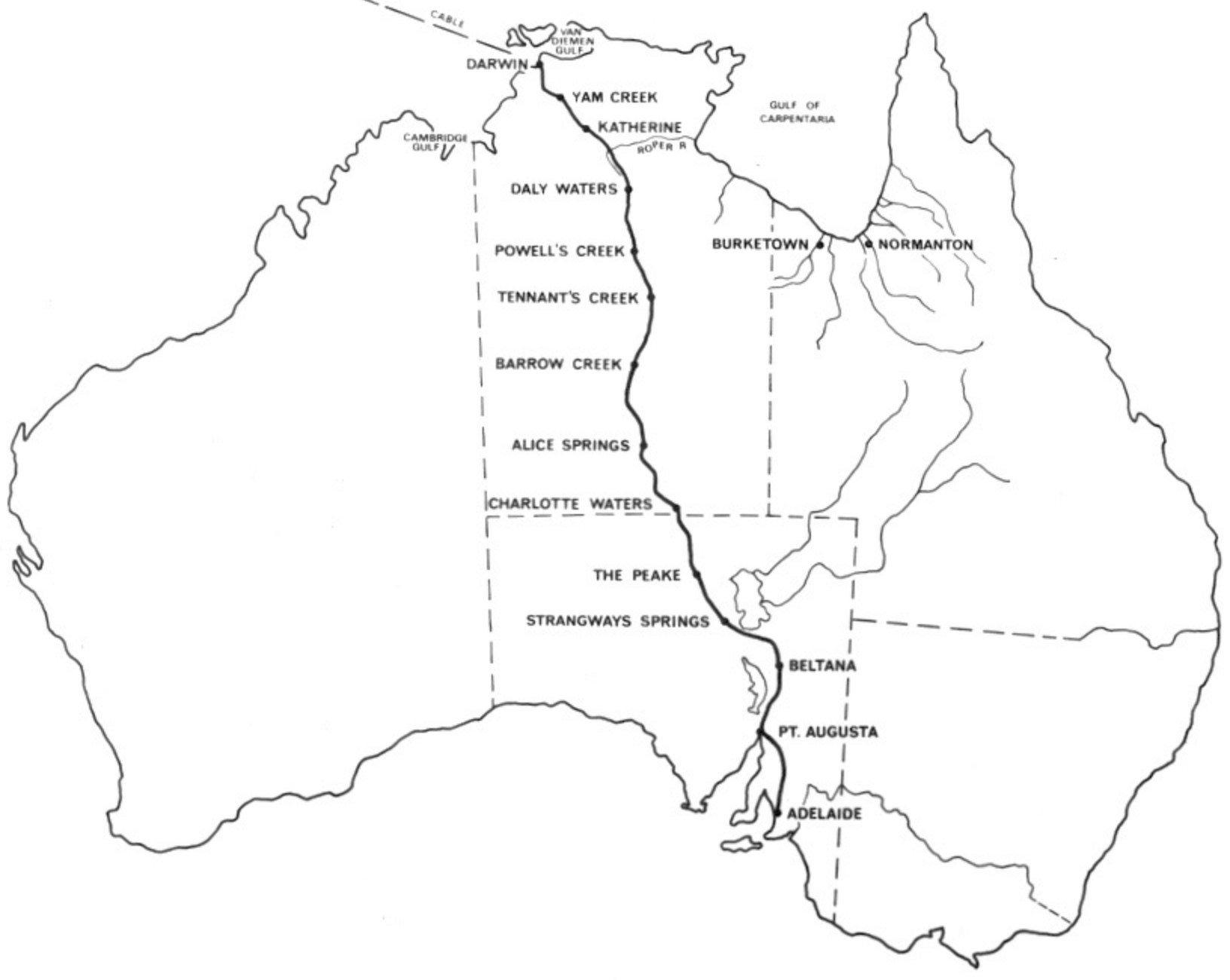 Moments detailing encounters between Indigenous people and white settlers have been detailed in Darrell Lewis' A wild history : the making of Victoria River Pastoral Society.
"Police and volunteers caught up with the alleged offenders near the Daly River and seventeen were shot," one passage reads.
"It is extremely likely that news of this massacre, and probably news of the other conflicts, would have reached the Victoria River tribes."
Professor Marcia Langton, who will undertake the research, said the OTL was an important story which needed to be told without colonial bias.
"Telling an important story like this one means that all sides need to be given equal weight," she said.
"A research initiative such as this will allow us to approach our history with the proper academic rigour it deserves."
Telstra chief executive Andrew Penn said having both sides of the story on the table was important for the nation.
"So much of our understanding about this part of our history has been shaped by white voices, white perspectives," he said.
"There is also a very powerful, largely unacknowledged First Nations story to be told."
The culmination of this research project will be a film and art piece which which will be displayed at the National Communications Museum.



