




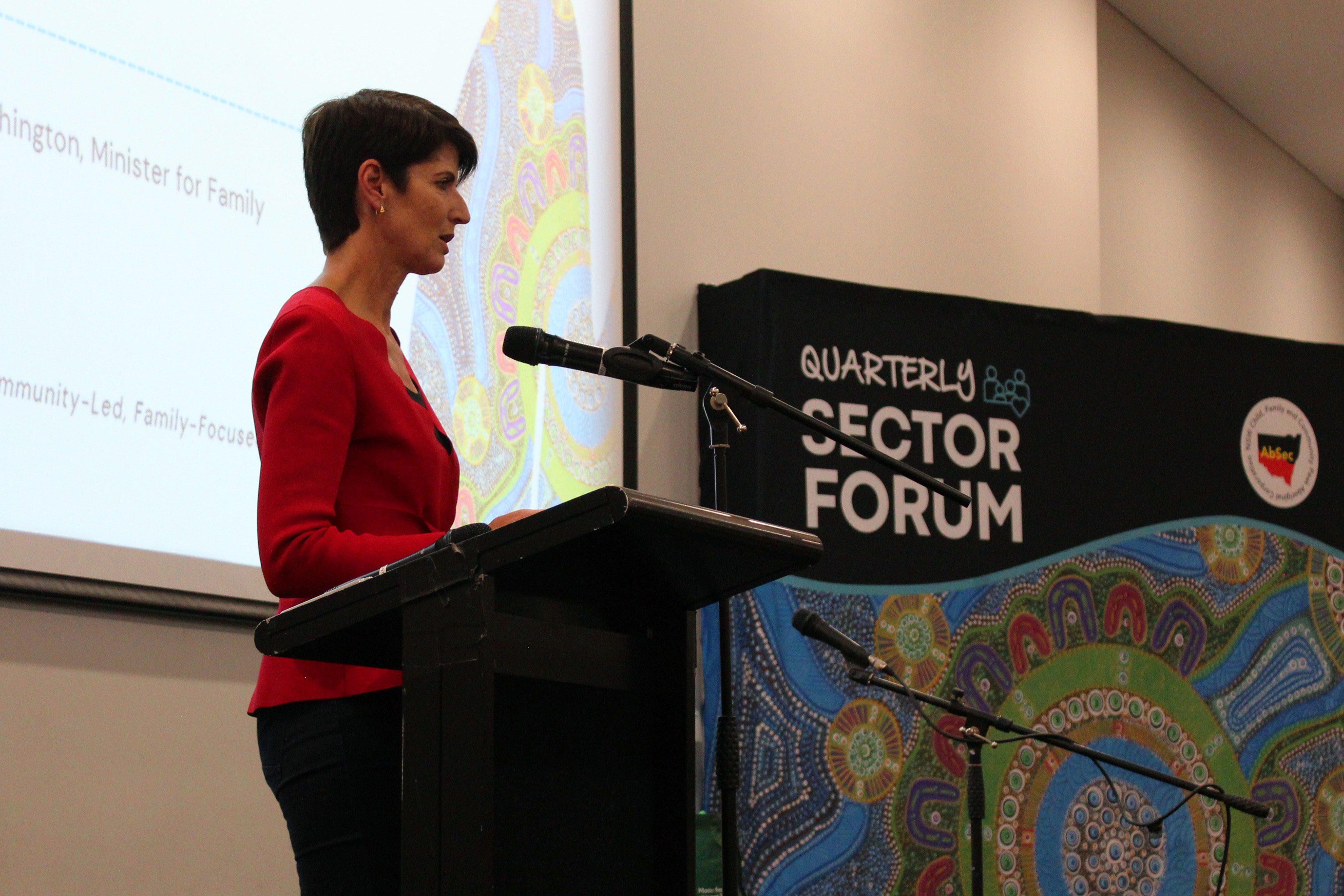
Last week saw the AbSec's Quarterly Sector Forum held over two days in Tamworth, with more than 160 delegates and stakeholders from across the Aboriginal child protection sector.
It comes during a year where the NSW out-of-home-care system has been heavily criticised by Indigenous, including AbSec, and have called for it to be reformed.
The forum's theme was "Community-led, family-focussed" with AbSec chief executive John Leha saying it was important for these events to be held in regional areas across the state.
"It's a reminder of the vast scope of the work we all do," he said.
"Whether somebody operates in Redfern or Penrith or the South Coast or the Outback, their work and decisions have implications for children and young people across the entire state."
Mr Leha said the theme was about ensuring First Nations communities were at the forefront of the planning process for child protection structures.
"Family-focussed refers to the fact that family is at the very heart of the Aboriginal culture, while reminding all of us who work in the sector that preserving and supporting those families is our core goal," he said.
Workshops at the forum included the redesign of the family preservation system and exploring the different ways lack of access to affordable housing is impacting child protection outcomes for Indigenous families.
"It was a particularly successful forum, a great chance to catch up with the current state of the sector and set our agenda going forward," Mr Leha said.
Minister for Families and Communities, Kate Washington, also spoke at the event, with the Department made available to speak to attendees and answer questions.
This week also saw carers of Aboriginal children and the service staff gather in Penrith to discuss the ongoing transition project, which involves shifting the support of Aboriginal children in out-of-home care (OOHC) from non-Indigenous organisations to Aboriginal community-controlled organisations (ACCOs).
Mr Leha said, whilst it was partly about self-determination, it was mostly motivated by a desire to see First Nations children and young people supported by those who understand their cultural needs, as well as ensuring a continued connection to community.
"One of the greatest harms done to the Stolen Generations was severing their links to community, culture and kin," Mr Leha said.
"We don't want to see those mistakes repeated; we're not talking about statistics here; these are the lives of individual people."
A series of questions for the audience to a panel of experts, including Larissa Johnson, a director for Office of the Children's Guardian, was well received, with Ms Johnson noting: "Aboriginal children do better when they're connected to culture, and we want to support that".
One of the ACCOs Indigenous children's OOHC cases are being transitioned to is Narang Bir-rong.
Narang Bir-rong chief executive, Heidi Bradshaw said it wasn't just a job, but a personal and cultural responsibility.
"It will be a consultative process," Ms Bradshaw said.
"We will be led by the carers, the kids and the current case workers to decide what is best for the children."
Chief executive of not-for-profit organisation Kari, Casey Ralph, said the main priority for all stakeholders was children's welfare.
"It's all about having their needs met, that's what this is all about," she said.
"We just want to make sure informed decisions are being made and that supports are in place."



