




The Tasmanian Aboriginal Legal Service has acknowledged the Tasmanian Prison Service's commencement in supporting the cultural wellbeing needs of Aboriginal people in custody, however says improvements don't go far enough.
It comes as the Tasmanian Custodial Inspector last week released its Adult Wellbeing Inspection Report 2024, citing the Department of Justice's support for 15 of the 18 recommendations and the remaining three in part.
Tasmanian Aboriginal Legal Service (TALS) chief executive officer, Jake Smith, says the wellbeing improvements for Aboriginal prisoners in the state continue to fall short.
"The report concludes that there were changes on the horizon with respect to the non-existent cultural support for Aboriginal people in custody," Mr Smith said.
"While we acknowledge that there has been some improvement, the improvements by the Department of Justice don't go far enough."
Mr Smith said the Tasmanian Prison Service has begun to engage TALS to support the wellbeing needs of Aboriginal people in custody in the state, however at less than half of the original identified need.
"We have begun providing wellbeing supports to mob because prior to this, there were no supports at all available," Mr Smith said.
"These supports are at less than half the identified need, we have and will continue to call on the Tasmanian Prison Service, Department of Justice and the Tasmanian Government to increase the support available for Aboriginal people in custody."
Custodial inspector Richard Connock said the report, the timeframe of which included the COVID-19 pandemic, said although there had been "some improvements" during the inspection against a suite of wellbeing standards during September and October 2022, "there have also been some continuing issues".
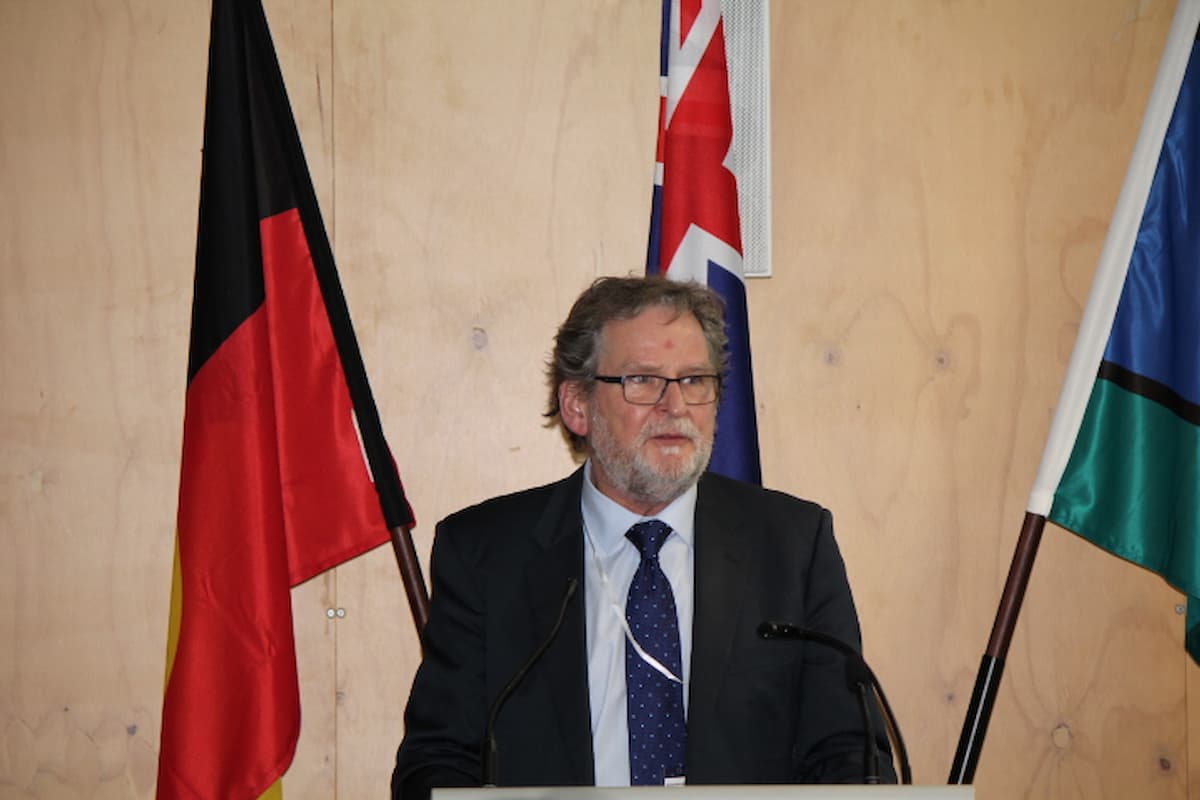
They include lockdowns continuing to occur "with concerning frequency and duration".
"I have reported on lockdowns on an almost continuous basis, and while work has been undertaken to attempt to address the issue, lockdowns continue to have a significant impact on wellbeing," Mr Connock said in his report.
Aboriginal people remain overrepresented in the Tasmanian prison population, with 2021-22 data indicating the rate of incarceration of Aboriginal and Torres Strait Islander people in Tasmania was 796.9 per 100,000 adults, compared to 116.4 per 100,000 for non-Indigenous people.
"It is therefore vital that Aboriginal peoples in custody have appropriate services and supports," Mr Connock said in his report, support he said was "very limited" at the time of inspection.
In the absence of a Tasmanian Prison Service Aboriginal liaison officer, a position which has remained vacant since the incumbent went on secondment, Mr Connock praised TALS' establishment of its Aboriginal Wellbeing Officer Program, highlighting its main objective to connect and reconnect participants with cultural and wellbeing support.
"Other important objectives include connecting or reconnecting participants to family and community and enabling access to services designed to reduce recidivism," Mr Connock said.
Mr Smith said despite improvements, the report highlights the Tasmanian Prison Service is not meeting the United Nations Standard Minimum Rules for the Treatment of Prisoners regarding the amount of time prisoners are allowed out of their cells.
"This is unacceptable. Everybody, no matter if you are in custody or not, should have access to fresh air, be able to get outside, stretch their legs and get some exercise," Mr Smith said.
"The Tasmanian Prison Service and the Tasmanian Government, still has a long way to go to ensure the cultural needs of Aboriginal people and the minimum standards for all people in custody are being met."
Mr Smith said TALS is committed to continuing its work with the Tasmanian Prison Service, Department of Justice, and the Tasmanian Government to address issues in the state's prison system and ensure the needs of Aboriginal people in custody are better met.



