



The Aboriginal Medical Services Alliance Northern Territory expressed "deep concern" at the continued failure to meet Closing the Gap targets in the Northern Territory, following the release of the Productivity Commission's 2025 Annual Data Compilation Report on Wednesday night.
While the Alliance welcomed improvements in some national indicators, such as healthy birthweight, it said the latest data "makes clear that the NT is being left behind; with many critical targets not only off track, but worsening".
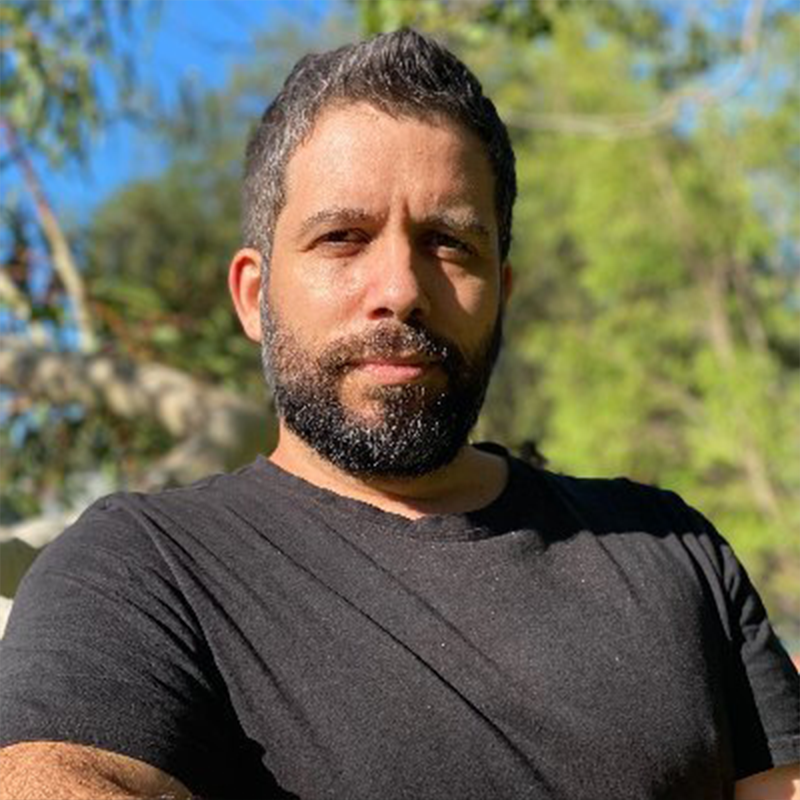
"This report serves as a stark reminder that the current approach isn't working for the Northern Territory, and it is not delivering the change our communities need, particularly for the next generation," said AMSANT chief executive Dr John Paterson.
"The NT is home to some of the highest levels of disadvantage in the country, yet too many targets are going backwards."
AMSANT welcomed improvement towards targets such as male life expectancy; the proportion of people living in appropriately sized housing; and people aged 20 to 35 who have attained a minimum of Year 12 or equivalent or Certificate level III or above qualification, and noted that the rate of children aged 0 to 17 in out-of-home care has also shown improvement.
However, the Alliance also noted the report reveals worsening outcomes in several key areas across the NT, including female life expectancy, birth weight, early childhood education and development, youth engagement, employment, and child and adult incarceration rates.
Recent government data shows a spike in prison numbers to a record high since the Country Liberals came to power last August, with 19 self-harm cases involving young people – 18 of which were Indigenous - across four watch houses in the six months to March.
The 2025 NAPLAN results further showed that NT students have gone backwards in nearly every indicator, with about 70 per cent of Indigenous students requiring extra support compared to about 10 per cent of non-Indigenous students.
Dr Paterson said across the board, whether in health, education, housing, or other critical areas, governments must ensure all action reflects the values of sharing power and giving Aboriginal people a voice, as demanded by the National Agreement on Closing the Gap.
"Every Australian deserves access to safe, quality health care and education. We wouldn't accept these conditions elsewhere, and we should not accept them for Aboriginal people in the NT," Dr Paterson said.
"We cannot close the gap without strong foundations. That means investing in the things that matter — safe housing, quality education, good jobs, and strong health services — delivered in genuine partnership with Aboriginal organisations."
AMSANT urged the NT Government to: work more closely and transparently with Aboriginal leaders and ACCHSs to co-design and implement solutions; support and fund community-led models that address the root causes of disadvantage; and establish an independent mechanism to monitor and evaluate Closing the Gap progress, with clear accountability and community oversight.
"The National Agreement serves as a blueprint for change but the outcomes in the latest Productivity Commission data clearly reflect the limited progress of governments in collectively acting on the Priority Reforms," Dr Paterson said.
"Too often, governments aren't meaningfully consulting with the organisations that have the knowledge and relationships to deliver change. We need genuine power-sharing."
AMSANT also renewed its call for urgent infrastructure investment across Aboriginal Community Controlled Health Services (ACCHSs) in the NT to improve health and well-being and life expectancy.
"ACCHSs have been central to improving health and wellbeing in our communities — but we cannot do it without the basic tools to deliver care. That means safe buildings, modern medical equipment, and a supported workforce," Dr Paterson said.
"The National Agreement on Closing the Gap promised shared decision-making and community control. If governments are serious about changing the story, they need to stand beside us — and back it up with action."
In a statement Northern Territory Minister for Aboriginal Affairs Steve Edgington, who represents the NT on the joint council on Closing the Gap said the council is "working together with Aboriginal Peak Organisations (APO NT) which include the four lands councils on Closing the Gap initiatives".
"We recently discussed the development of an Aboriginal Affairs policy at the last meeting of the NT Executive Council on Aboriginal Affairs (NTECAA), which I co-chair with Dr John Paterson," Mr Edgington said.
"Other members of APO NT also include Aboriginal Medical Service Alliance Northern Territory (AMSANT), North Australian Aboriginal Justice Agency (NAAJA), Aboriginal Housing NT (AHNT) and the Northern Territory Indigenous Business Network (NT IBN)."
Mr Edgington said in respect to health, the council is working closely with Aboriginal Community Controlled Health Organisations (ACCHOs) to empower remote communities with health care services including the transfer of Gunbalanya Health Centre to the Red Lily Health Board on 1 July.
"We are also working in partnership with Aboriginal people to empower communities that want a greater say," he said.
"This is creating opportunities for local community members to lead and contribute and enable them to have a more active role in community development and decision-making processes.
"Our message is clear – we want a Territory where Aboriginal voices are not just heard but lead the way, and where control and self-determination are returned to Aboriginal people themselves."



