




First Nations families in remote WA blame soaring fuel prices for forcing them to stop short of the hospital and call ambulances to complete the journey.
Gooniyandi woman Shirley Malo lives in Muludja, about 20 kilometres east of Fitzroy Crossing in the Kimberley. She says families are increasingly unable to afford the full trip into town.
"It's really sad when someone has to stop halfway because they can't afford more fuel and wait for the ambulance," Shirley said, her voice catching.
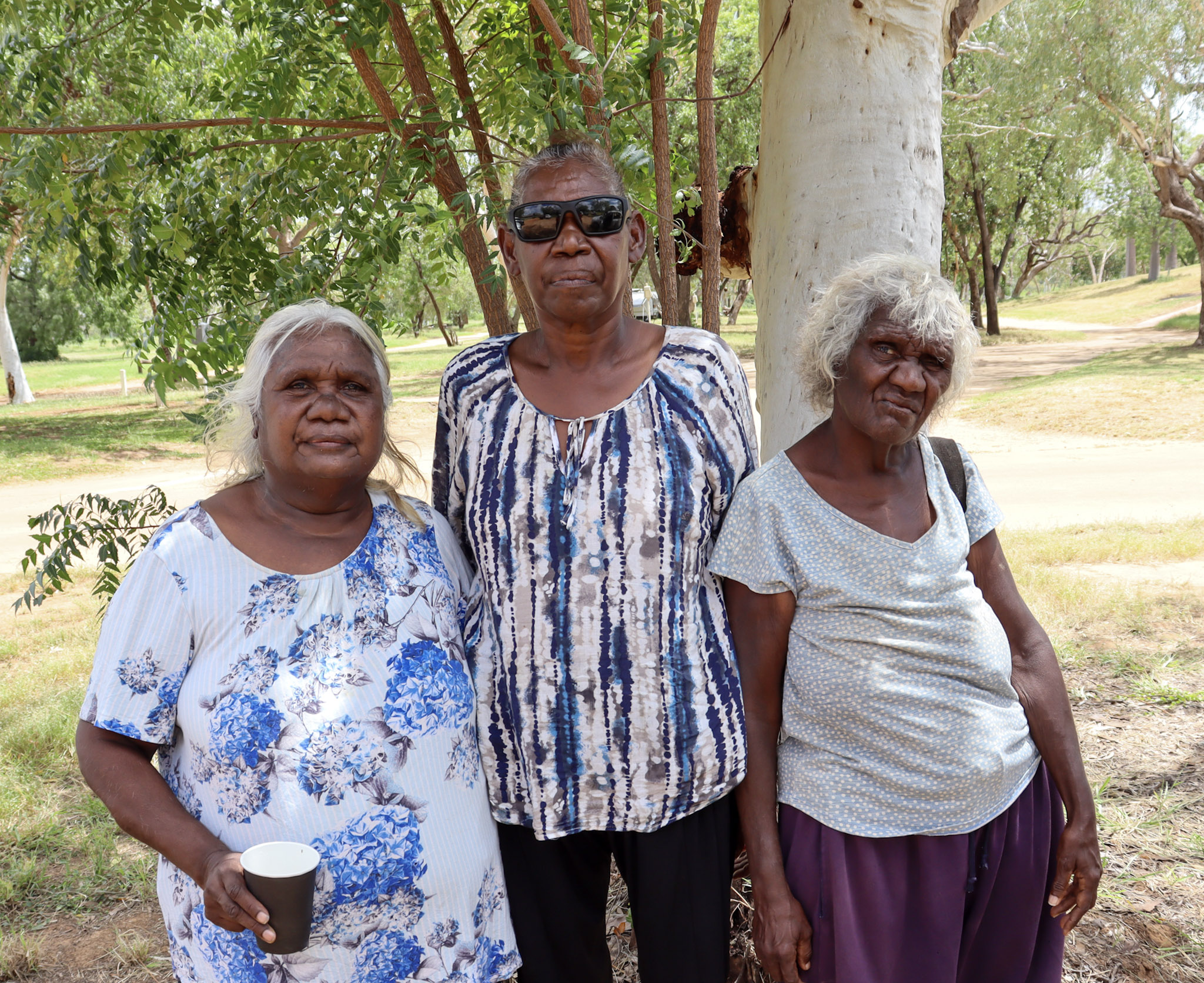
The trip from Muludja to Fitzroy Crossing for essentials like food and medical care now costs about $30 in diesel, she said, as prices rise driven by the US war or Iran.
Her niece, Maxine Malo, who lives in Fitzroy Crossing but has many older relatives in Muludja, is worried about the impact the cost of fuel is having on Elders.
"It's really affecting the old people at the moment; they might not have enough money for fuel, so they end up missing their appointments at the hospital," Maxine said.
Fitzroy Crossing and its surrounding 40 communities cover vast expanses of land ranging from wetlands to dry desert bushlands, depending on the season.
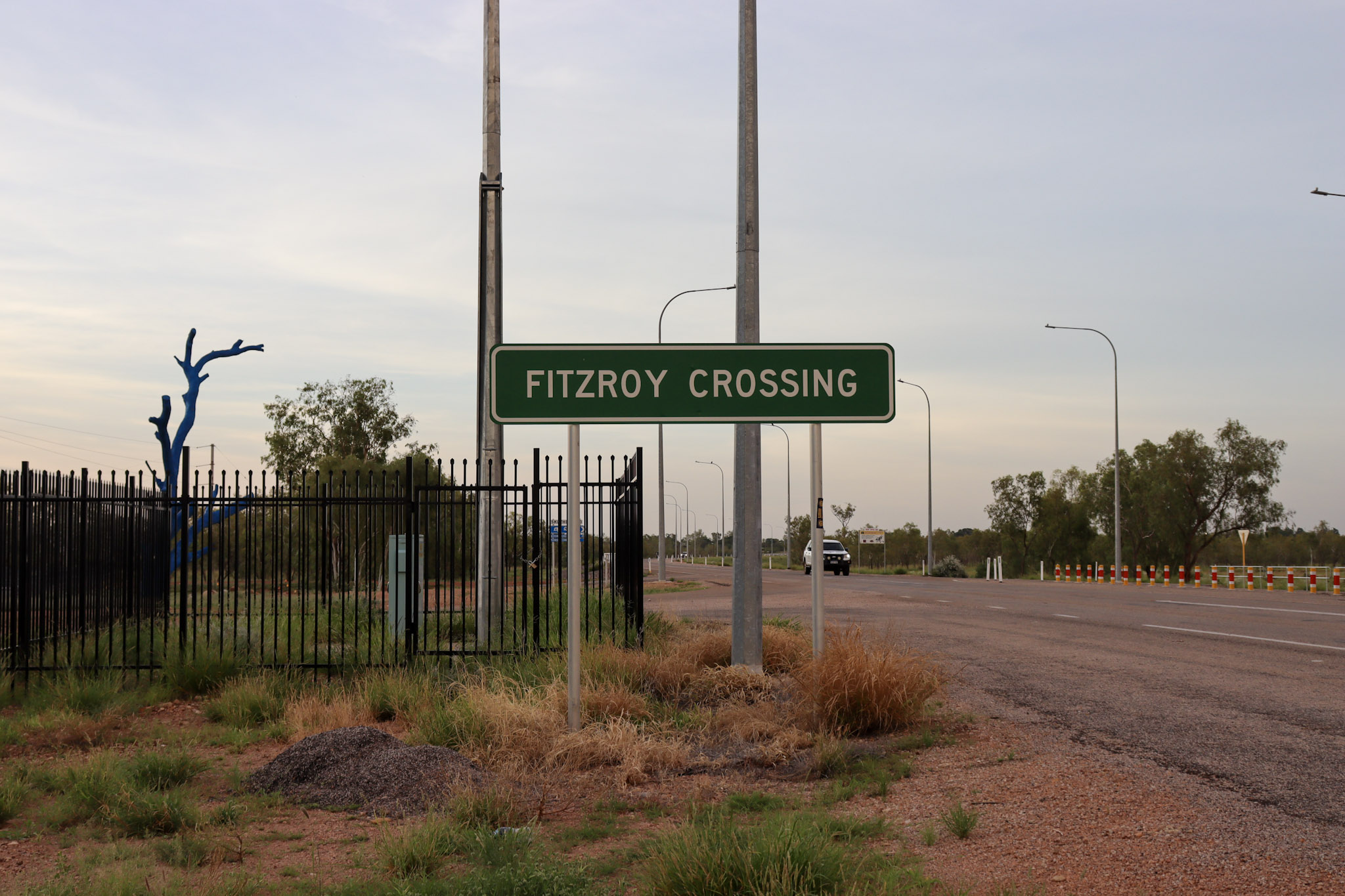
It's hard to imagine that a conflict unfolding almost ten thousand kilometres away could have such a quick and devastating impact on Fitzroy Valley communities.
Australia imports most of its fuel from Asia, where refineries rely on crude oil from the Middle East. As a result, global disruptions can quickly drive up prices at the bowser.
Over the weekend, diesel prices fuel stations in Fitzroy Crossing rose above $3 per litre, according to FuelWatch data, reaching 327.9 cents per litre at BP and 336.9 cents at Shell Ready Express.
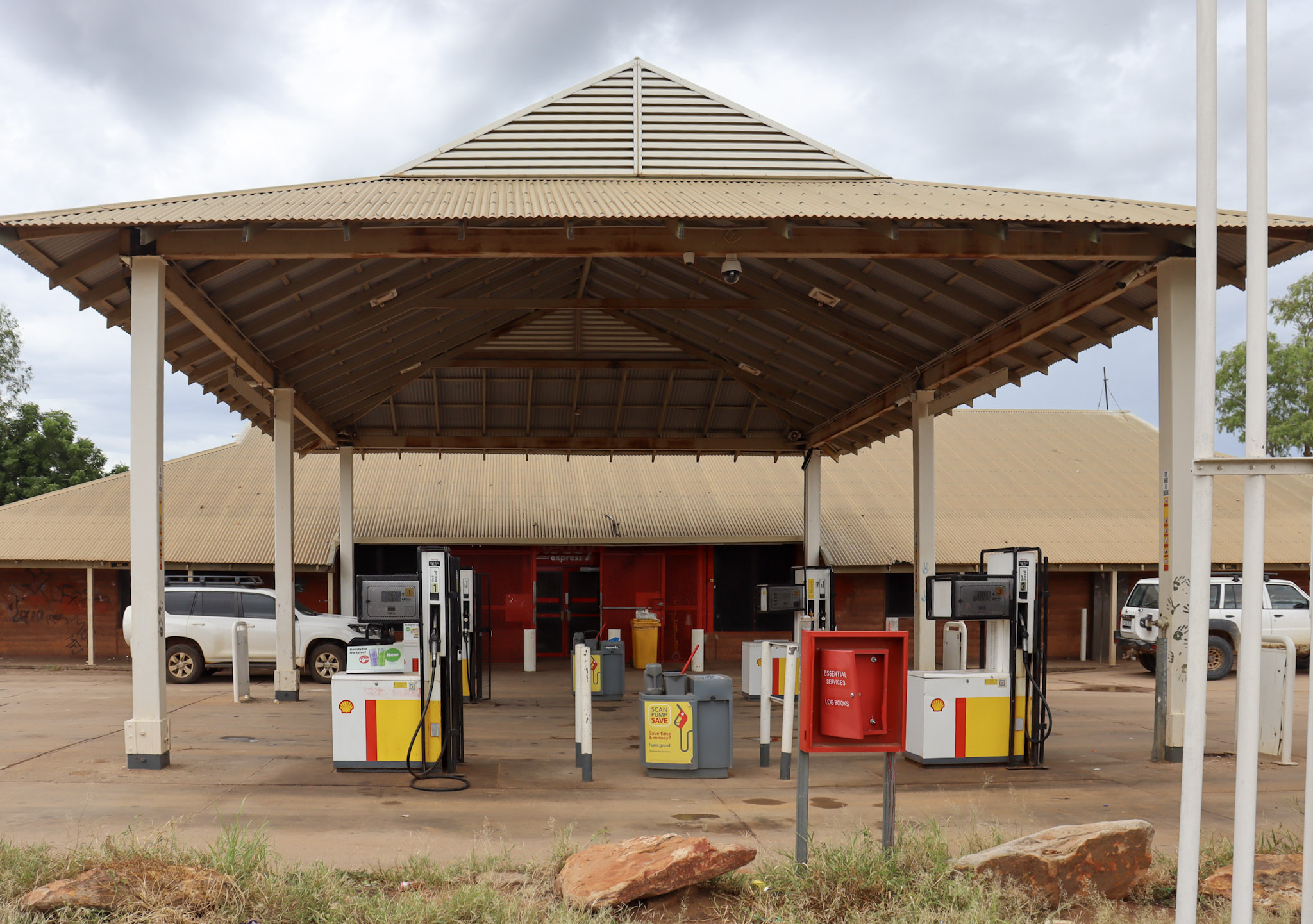
A year ago, diesel in the town sat between $2.30 and $2.40 per litre — an increase of more than 40 per cent.
The surge has prompted calls for an increase to the Remote Area Allowance (RAA), a federal payment designed to help offset the higher cost of living in remote regions.
Maria Malo, a Muludja resident and relative of Maxine and Shirley, said people living outside the region often did not understand the financial pressure.
"People in remote communities really need fuel to do their business in town, go into hospital, and meet up with their families," she said.
A spokesperson for the Department of Social Services said the government recognised the cost-of-living pressures faced by people in remote areas, including rising fuel costs.
"Recipients of Remote Area Allowance have benefitted from increases to their primary income support payment or other supplementary payments, the latest of which started on Friday."
However, the Department of Social Services failed to provide the other supplementary payments that came in on Friday, but said, "since the government was elected, the typical rate of JobSeeker Payment for a single person without dependent children has increased by $166.00 a fortnight."
The National Indigenous Times contacted Energy Minister Chris Bowen and Treasurer Jim Chalmers over calls to subsidise fuel costs in the Fitzroy Valley, but did not receive a response.
On Monday, Prime Minister Anthony Albanese announced the government would halve the fuel excise — a tax applied to every litre of petrol and diesel — in a bid to ease pressure on motorists.
The cut is expected to reduce fuel prices by about 25 cents per litre, although the exact saving will depend on global oil prices and how quickly retailers pass it on.
"We are making fuel cheaper today because we understand that Australians are under serious pressure," Mr Albanese said.
For Fitzroy Crossing families, relief is minimal. Filling a 60-litre tank at 336.9 cents per litre costs just over $200, so the excise cut saves about $15—only a slight decrease in overall fuel costs.
The strain of financial pressure on the people in his community is evident in the eyes of Bunuba community leader and board member of the local Aboriginal organisations Marra Worra Worra and the Leedal Group, Patrick Green.
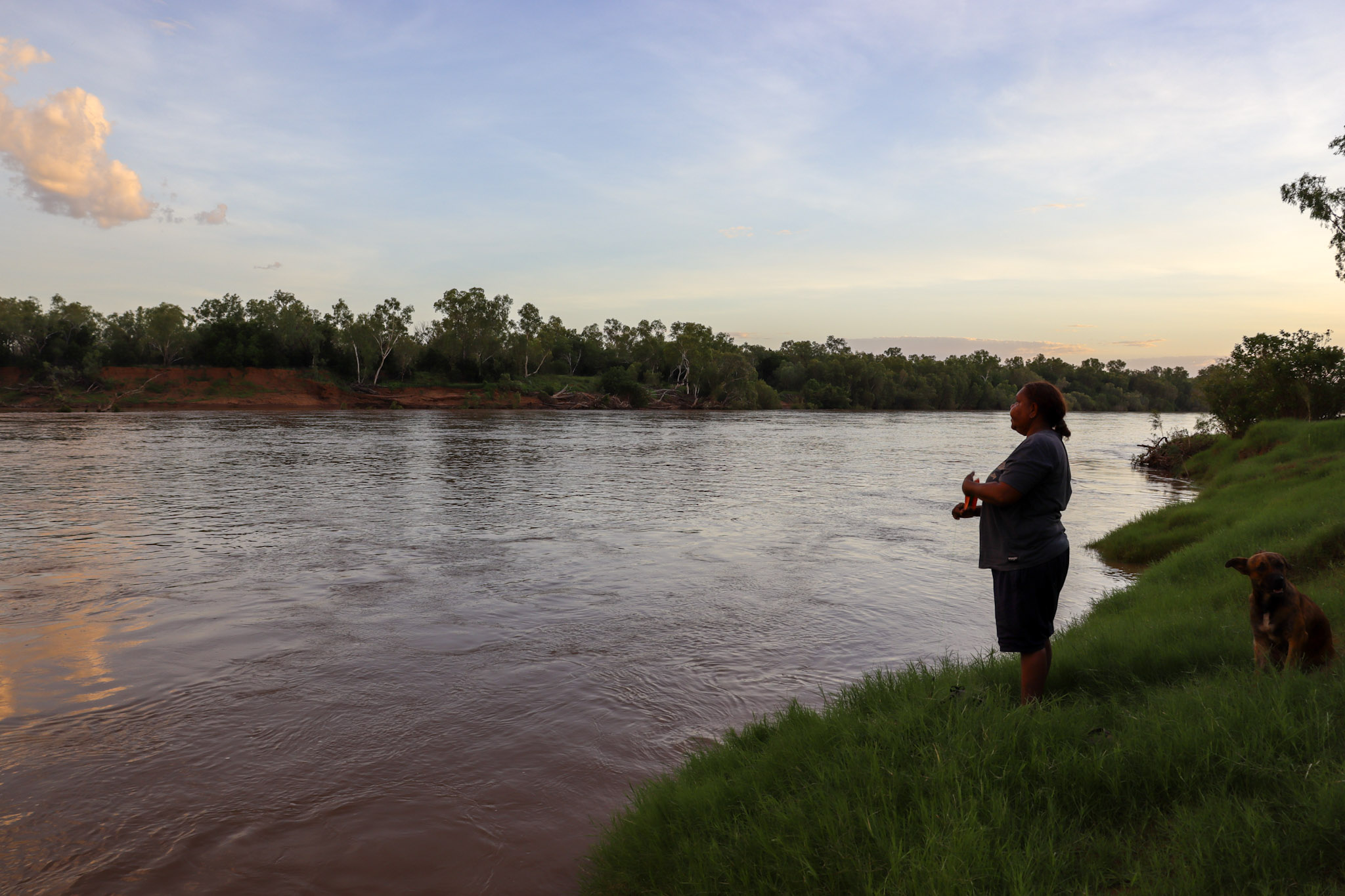
"Costs are going up across the board, including fuel, and that's going to make things harder for everyone. As fuel prices rise, businesses will pass those costs on to consumers," Mr Green told National Indigenous Times.
"I don't know how we're going to get through all of this," he said.



