



Stolen Generations Survivors, some now in their elder years with dementia, should have a life story poster with pictures on display in their rooms in residential aged care homes to keep reminding staff of their past trauma, say leading experts.
Dr Tiffany McComsey and Harpreet Kalsi-Smith, both with the Kinchela Boys Home Aboriginal Corporation, will present at the International Dementia Conference September 5-6 on what aged care providers should do to support Stolen Generations Survivors with their background of physical, emotional, psychological, cultural and sexual abuse.
There are 17,000 First Nations people who are Stolen Generations Survivors who are now all aged 50 and over, and many are now frail with age. Aboriginal and Torres Strait Islander people are three to five times more likely to develop dementia.
"We are concerned that many aged care providers and many dementia care spaces don't actually understand this trauma and what it means for Stolen Generations survivors and their experience of dementia," Dr McComsey said.
One innovation for aged care homes that the two experts would recommend is that every Stolen Generation survivor have their own life story poster to have with them to display in aged care settings.
Ms Kalsi-Smith said the power of life story work is well documented as people living with dementia often have problems with communication and memory that make it difficult to express who they are and what matters to them.
"Creating a life story is a useful way to record important information about Stolen Generations Survivors and help others understand and relate to them in a supportive way," she said.
The poster provides an overview of the person, what their likes and dislikes are, and things that can support in de-escalating tensions should they arise
Importantly, the posters need to be created with Stolen Generations Survivors and with people they know and trust, and ideally be used in an environment that is trauma informed and with people who have a deep relationship with the survivors and descendants.
The Kinchela Aboriginal Boys Training Home, located near Kempsey on the NSW Mid North Coast, was a place established for First Nations boys forcibly removed from their families.
The uncles grew up identified by numbers, not their names. Their heads were shaved, they were forbidden from speaking their own languages, and they endured severe "de-programming" to assimilate into white Australia.
Of the 600 boys, now called uncles, who lived at Kinchela, 50 are alive today with a reunion event taking place in October (18th – 20th) planned to mark the home's opening 100 years ago. At least seven of the Kinchela uncles are living with dementia with support from the Corporation.
As well as the life story poster concept, Ms Kalsi-Smith said other measures aged care providers should consider is training with a focus on the Stolen Generations legacy and participation in a truth telling process with a Stolen Generations Survivor.
She noted that aged care workers should be trained in trauma-informed care, and that Stolen Generations Survivors living with dementia are generally uncomfortable, or even terrified, by the idea of being moved into an aged care home; They feared they would once again be living in a place following rigid rules.
Ms Kalsi-Smith said there was a vision for the Kinchela property to one day offer residential aged care that meets the special needs of the Kinchela uncles.
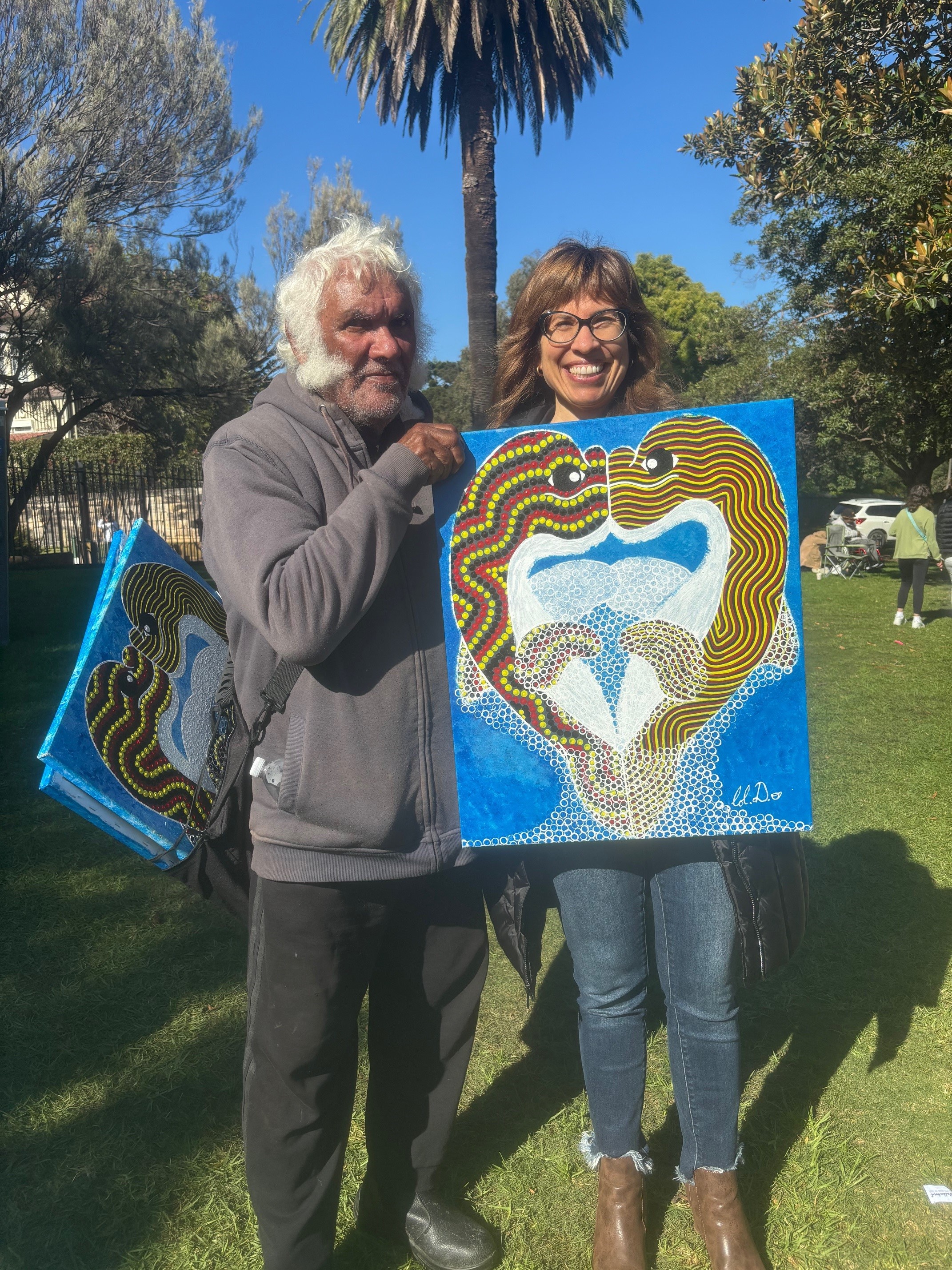
Uncle Colin Davis, 76, a Kinchela Survivor who was recently diagnosed with dementia, has signed a request asking never to go to an aged care home. His wife of 53 years, Aunty Rita Davis, said the aged care options available on the NSW South Coast near their home would not meet his needs. She felt the non-Indigenous people running the services lacked the empathy required to understand Uncle Colin's background.
"For him it would be like the restrictions he had growing up all over again. Once you put restrictions on him you never know what he'll do. He does it how he does it," Aunty Rita said.
Dementia Support Australia, which has helped 50,000 people since 2016 with tailored support, ensures its workforce is provided with annual cultural awareness and traumainformed care training to meet the needs of groups like Stolen Generations Survivors.
DSA Head of Professional Services Marie Alford said all aged care services should ensure their staff understand what triggers Behavioural and Psychological Symptoms of Dementia in a Stolen Generations survivor and ways to safely de-escalate.
The biennial International Dementia Conference is being held at the Sydney Hilton on September 5-6. IDC2024 is being run by The Dementia Centre, which over almost 30 years has provided research, consultancy and education in dementia care.



