


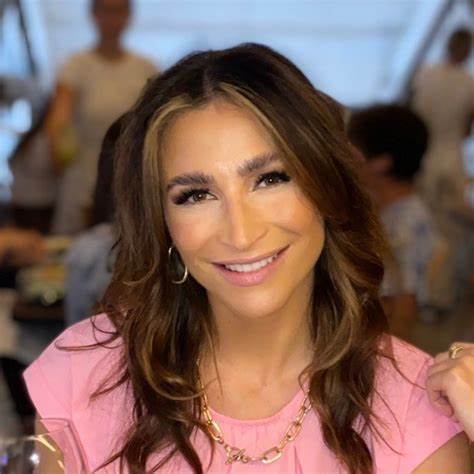

The Stop it at the Start campaign, supported by First Nations Australians Scott Prince and Shelley Ware, aims to break down the barriers of communication, by encouraging conversations about respect between adults and young people.
Scott Prince, from the Kalkadoon People in Mt Isa, played NRL for the Brisbane Broncos and the West Tigers in NSW, and is passionate about building respect towards everyone in the community.
Mr Prince said everyone in the community had a responsibility to be a positive role model for young people.
"You know, that's where raising awareness where it's the common thing to talk about, I think that's the most important thing also," he said.
"We can have a positive influence on our young people and basically show them what's acceptable and what's not acceptable right from the start.
https://twitter.com/ShelleyWare/status/1549193550331465728
"Having two young daughters... I want them to be respected as well and having that real close connection with that."
In the age of social media Mr Price said children had more exposure than ever to peer pressures, making it more important to start the conversation early about respect.
Questions such as what is respect and what does it mean are important, Mr Prince said, as is ensuring children had input into the conversation.
"Whether you're a coach, teacher, Mom, Dad, Uncle, Auntie, whatever that may be I think everyone can play a role," he said.
Brisbane-based artist and proud Goreng Goreng woman Rachael Sarra contributed to the visual design of the campaign.
Explaining the meaning behind the artwork, Ms Sarra said connection to culture, support networks and community were driving forces for her work.
"Making sure that within our communities we have these networks and these positive role models for when we are more vulnerable and we can kind of lean on them to get that support," she said.
"Stopping it at the Start goes beyond just domestic and family violence.
"I think it's the foundations that we set early on for our young mobs lives as well as through every, you know, yarn we have with our children, or our nieces or nephews or any young people around us, really shapes who they are and if we're putting out respectful communication."
Ms Sarra said breaking the idea that it was shameful to speak up about domestic violence was critical.
"People feel shame if they have to see a psychologist or get some help to better themselves, but that help for you as an individual, again, has those flow on effects within your relationships and within your community," she said.
Adelaide-based Yankunyjatjara and Wirangu woman Shelley Ware said she had been talking about respect with her teenage son since he was a young boy.
"As Aboriginal people, we believe it's the whole community's responsibility to have conversations about respect," she said.
"Aunties, uncles, cousins and grandparents are all part of those conversations daily.
"Taj and I want to be a part of reminding people that ongoing conversations are really important and that children who are taught about being respectful from a young age are key to decreasing domestic violence."
Federal Social Services Minister Amanda Rishworth said the campaign would help raise awareness in younger people of the importance of respectful behaviour in relationships and the steps needed to break the cycle of violence.
1800 RESPECT - 1800 737 732
- Story by Rachel Stringfellow



