


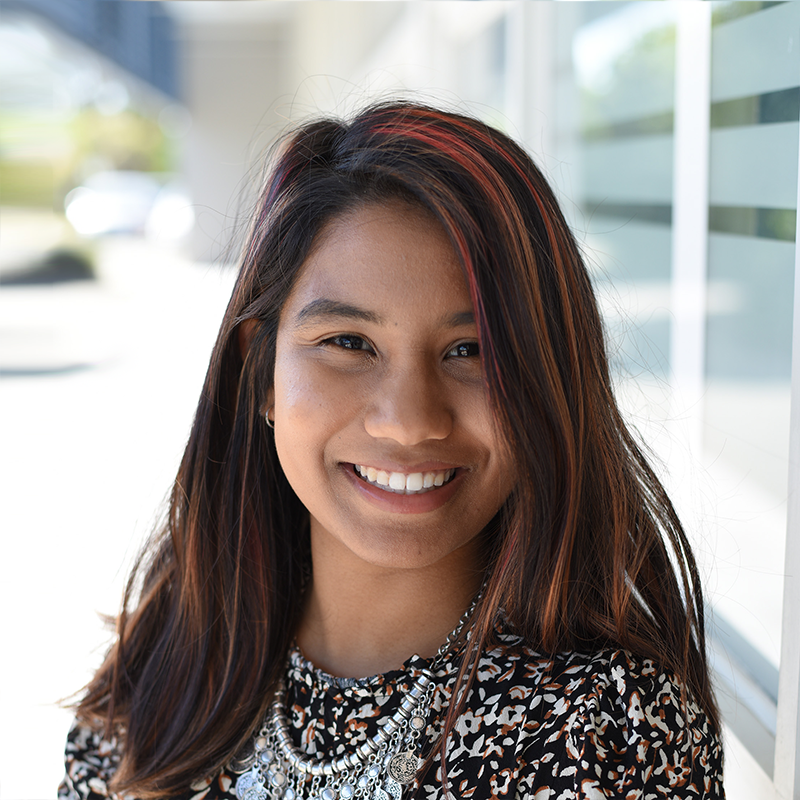

When Joseph (Joe) Flick went to France on a rugby trip, little did he know his experience would inform an entire research project.
During this trip, the Gomeroi and Yullaroi man stumbled upon a photo of some soldiers from World War I. The photo featured an unnamed Indigenous soldier.
The image spurred him to return back to Australia and begin researching lost Aboriginal soldiers.
Now a Churchill scholar, Mr Flick used his fellowship to research, document and record the resting place of Aboriginal WWI soldiers.
Mr Flick's mother and grandmother were part of the stolen generation and his own grandfather fought in WWI.
Part of his research was to bring attention to the role played by Aboriginal people in the defence of the Commonwealth.
And on National Sorry Day, it's important to Mr Flick that the rest of the nation acknowledge and reflect on these past servicemen.
"It is a little-known fact that more than 1200 Aboriginal men enlisted in WWI," Mr Flick said.
"These blokes voted 'yes' we'll go and fight for our country.
"Without them, and without all of our Australian soldiers, we wouldn't have the freedom we have today."
As part of his Churchill Fellowship, Mr Flick identified 91 soldiers who died in battle in France, England and Belgium.
He was able to locate the graves of 68 of those soldiers.
Mr Flick was moved enough to conduct a small ceremony at each of the graves, draping the Aboriginal flag across each headstone.
While he was able to commemorate these soldiers, Mr Flick acknowledges there are still other Aboriginal soldiers whose final resting place and identities will never be discovered.
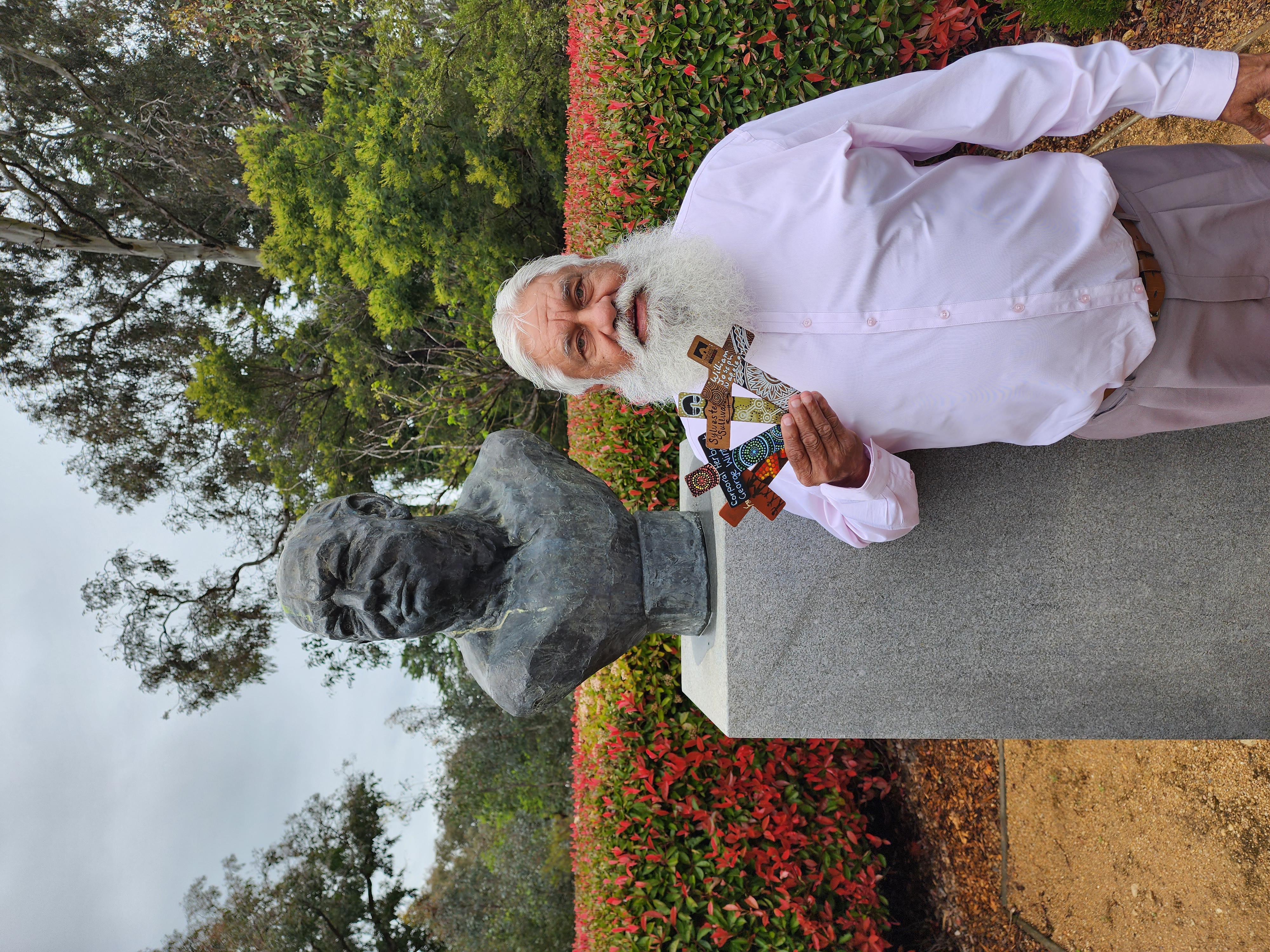
In addition, Mr Flick said the Aboriginal soldiers who did return were never honoured for their service.
"When Aboriginal soldiers came home, they were treated differently," he said.
"My grandfather, he wasn't allowed into the RSL to celebrate Anzac Day.
"He was told to 'go around the back and they would hand him a beer', these stories aren't known or talked about.
Mr Flick said despite Aboriginal soldiers' service they were never given any of the same rights post-WWI.
"When my grandfather came home, his kids weren't allowed to go to school, not until 1947," he said.
"The majority of Aboriginal soldiers weren't provided with soldier settlement land blocks either."
His Churchill Fellowship research allowed him to bring an understanding of the role played by Aboriginal people in the defence of the Commonwealth.
As part of his fellowship, Mr Flick has been able to connect with multiple families and lead them to the burial places of their relatives.
He said the research produced by his fellowship is just one way Australia can begin to acknowledge the significant role played by Aboriginal people in WWI.



