



Recommendations for an appointed First Nations Land and Sea Country Commissioner within a review of New South Wales' invasive species management have been welcomed by First Peoples seeing enviromental damage first-hand.
In August, the National Resources Commission - an independent body tasked with providing evidence-based advice to the state government, released its Reducing Risk, Securing the Future preliminary report.
Among current conservative estimates of $1.9 billion annual loss linked to pests and weeds, the Commission flagged a potential yearly price tag in the tens of billions.
"Expanding urban areas, the intensification of agriculture, increases in trade, climate change and natural disasters all have the potential to increase the future severity of invasive species impacts, including the speed at which some species spread. Failing to effectively manage new incursions could result in an estimated worst case annual cost of $29.7 billion by 2030," the report read.
First Nations input and interest were highlight in key findings and recommendations.
Among them was; "as land managers, traditional owners and knowledge holders, Aboriginal communities are a valuable component of the invasive species management system but have not been effectively engaged to date' and; for 'Aboriginal values and outcomes' to be considered in a redesign of strategy moving ahead; to be 'outcomes driven, rather than activity driven, with associated targets".
The report stated invasive species "disrupt Aboriginal connections to Country".
It also highlighted a broad "shared responsibility" as an underpinning concept of invasive species management in NSW and nationally.
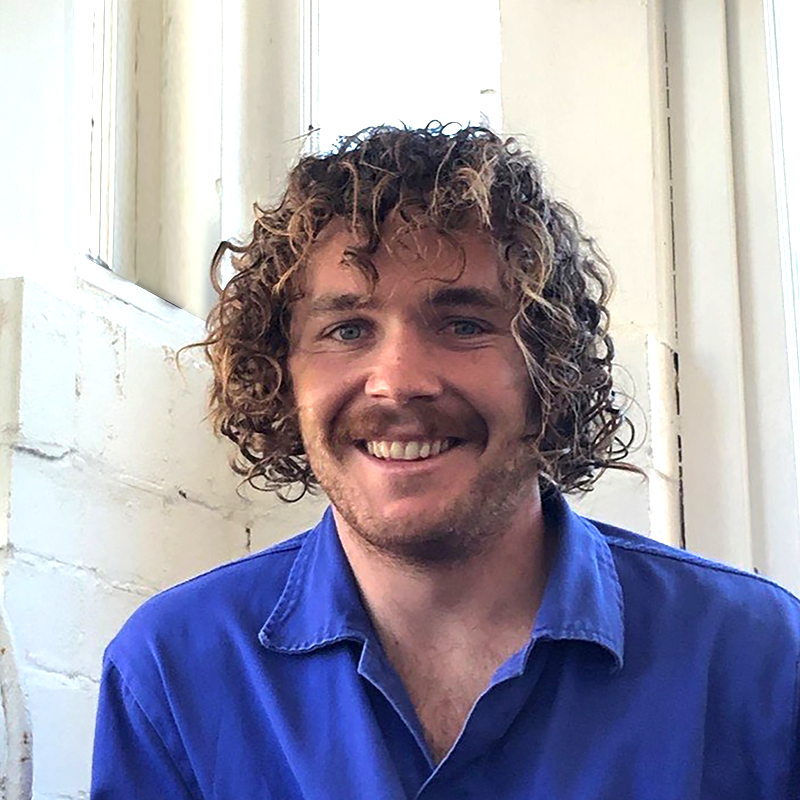
Richard Swain, a Wiradjuri man and Indigenous ambassador for environmental protection campaign group Invasive Species Council, says he wants to see policy "look at it from Country's point of view".
Around his lifelong home in the Snowy Mountains region, Mr Swain has described the impact of pests, particularly feral horses, as "desecration", not limited to the natural landscape but to a "living museum" of pre-colonial life and artefacts.
In August 2023, he told a Senate Standing Committee "the damage, it's abhorrent".
Mr Swain also stated he couldn't justify the protection of horses around in the Alpine National Parks, something he more recently told National Indigenous is "the most effective method", but also "one of the most humane".
Wild Horse culling in NSW has been an ongoing topic of controversy.
Social impacts highlighted within the National Resources Commission report identified damage from invasive species to Aboriginal cultural heritage, as well as European cultural heritage, as "a critical ongoing impact".
"Impacts on Aboriginal cultural heritage include physical aspects, such as damage to rock engravings and grinding stones. However, these impacts also extend to Aboriginal cultural connections to Country," it reads.
Mr Swain also holds concerns for the animals who called the landscape home before European arrival.
Speaking with National Indigenous Times in September, he said the number of species being lost is "growing by the minute".
"Aboriginal Australia lived with, and respected, and were a part of an ecosystem that all our species were in. Our species are declining around us every minute of every day," he said.
Mr Swain welcomed proposals for a First Nations Land and Sea Country Commissioner, hoping it would "depoliticise" what he sees as post-colonial agendas, from industry to hobbies, being prioritised.
The report recommended supporting the establishment of a Commissioner "to represent Aboriginal people working in natural resource management, including invasive species management, at relevant senior levels of the NSW Government".
"I'd like to see it supported across all reaches of the political sphere, particularly bipartisanly supported, and I see it as a way of depoliticising the arguments around invasive species," Mr Swain said.
"An Indigenous Commissioner would just make the call for the landscape, for Country," Mr Swain said.
The Invasive Species Council, which has called for a Commissioner for Country at the federal level, launched its Voice of Country Campaign in 2023.
"It's about allowing the voice of our soil, our water and the species that evolved here to have some dignity and respect within this Australian context," Mr Swain told National Indigenous Times.
Yuin man Daryl Wells took part in the Aboriginal Stakeholder Forum held in November 2023.
Mr Wells is Open Spaces manager at Muru Mittigar, a Dharug social enterprise delivering
contracting and consulting caring for Country to businesses and Government among cultural education and celebration and community, financial and employment services.
For his day-to-day workplaces across Western Sydney, the impact of "feral" animals and plants on bush landscape and woodlands - in-part by housing development, has created complications in younger generations he's worked with to connect with Country, he said.
A common feeling amongst forum stakeholders agreed Indigenous people and communities have been largely ignored in invasive species management, Mr Wells told National Indigenous Times.
He also welcomed proposals for a Commissioner.
Earlier this month, the NSW Government said consultation with industry, experts and stakeholders will commence following the preliminary review.
A final report, to include framework and recommendations to address invasive species impacts, is expected before the end of 2024.
The current Labor Government has been critical of the previous coalition government managing of invasive species, and reiterated the millions invested in feral pig and pest programs, and Good Neighbour Program addressing pest and weed infestations of private land bordering public land.
"We are committed to responding to the NRC report comprehensively and we are already reviewing the current compliance settings to make sure they are fit for purpose," Minister for Agriculture Tara Moriarty said.
"In addition, we will be making sure that public land managers are not only compliant but are leading the way in how they manage the public estate for future generations.
"As a government we will continue to provide education and guidance about what is required to assist all land managers comply with their biosecurity responsibilities."



