




On Ngarrindjeri Country in South Australia, a project engineer sits alongside Elders, listening to stories of resilience and cultural survival. Moments like these, says Shane Webster, CEO of Jawun, are where true partnership begins. "You think you're going to give something," reflects one secondee, "but you end up receiving so much more."
Webster, a proud Torres Strait Islander and a former public servant, leads Jawun with a mission to redefine how corporate Australia partners with Indigenous communities and businesses. As CEO of this innovative not-for-profit, Webster brings deep cross-sector insight and a passion for Indigenous self-determination. His journey from policy adviser in South Australia to leading Jawun exemplifies how authentic partnerships can foster long-term, community-led prosperity.
From Public Policy to Place-Based Leadership
Webster's career is steeped in heritage and service. He began in public service and politics, contributing to the historic amendment of South Australia's Constitution that recognized Aboriginal custodianship of lands and waters. He describes this moment as bridging "both the head and the heart." Joining Jawun in 2012, he served in regional leadership roles before being appointed CEO in 2021. He became the first Indigenous person to lead the organisation. With over a decade of experience in the organisation, Webster now steers it through its third phase, aligning with the evolving landscape of Indigenous enterprise and leadership.
When long-time CEO Karyn Baylis passed the torch, Jawun's board recognised Webster's strategic vision and cultural insight as pivotal to its future. Supported by tailored mentorship, he embraced the transition into the CEO role, collaborating closely with Chair Ilana Atlas. Their dynamic of leadership, described as working shoulder to shoulder, exemplifies the ethos they promote across all Jawun partnerships.
The Jawun Model: Demand-Driven Partnerships and Secondments
Founded in 2001 by Indigenous leader Noel Pearson in partnership with Westpac and Boston Consulting Group, Jawun (meaning "friend/family" in the Kuku Yalanji language) was born from a bold concept: embedding corporate and government professionals with Indigenous organisations to build capacity through secondments.
Under Jawun's model, Indigenous partners identify their own priorities. Jawun then brokers skilled secondees from leading corporations and public agencies to support these goals. These secondments, typically six-week immersions, cover everything from strategic planning and governance to finance and IT. What makes this approach exceptional is its two-way value. Indigenous communities gain targeted expertise while secondees return with deeper cultural understanding and renewed purpose.
"Jawun is built on a partnership model that puts the emphasis on working with Indigenous people, rather than providing services to them," Webster explains. Over the last two decades, more than 5,000 secondees have participated across 12 regions, from Cape York and the Kimberley to inner Sydney and the Lower Murray, building partnerships with over 100 Indigenous organisations.
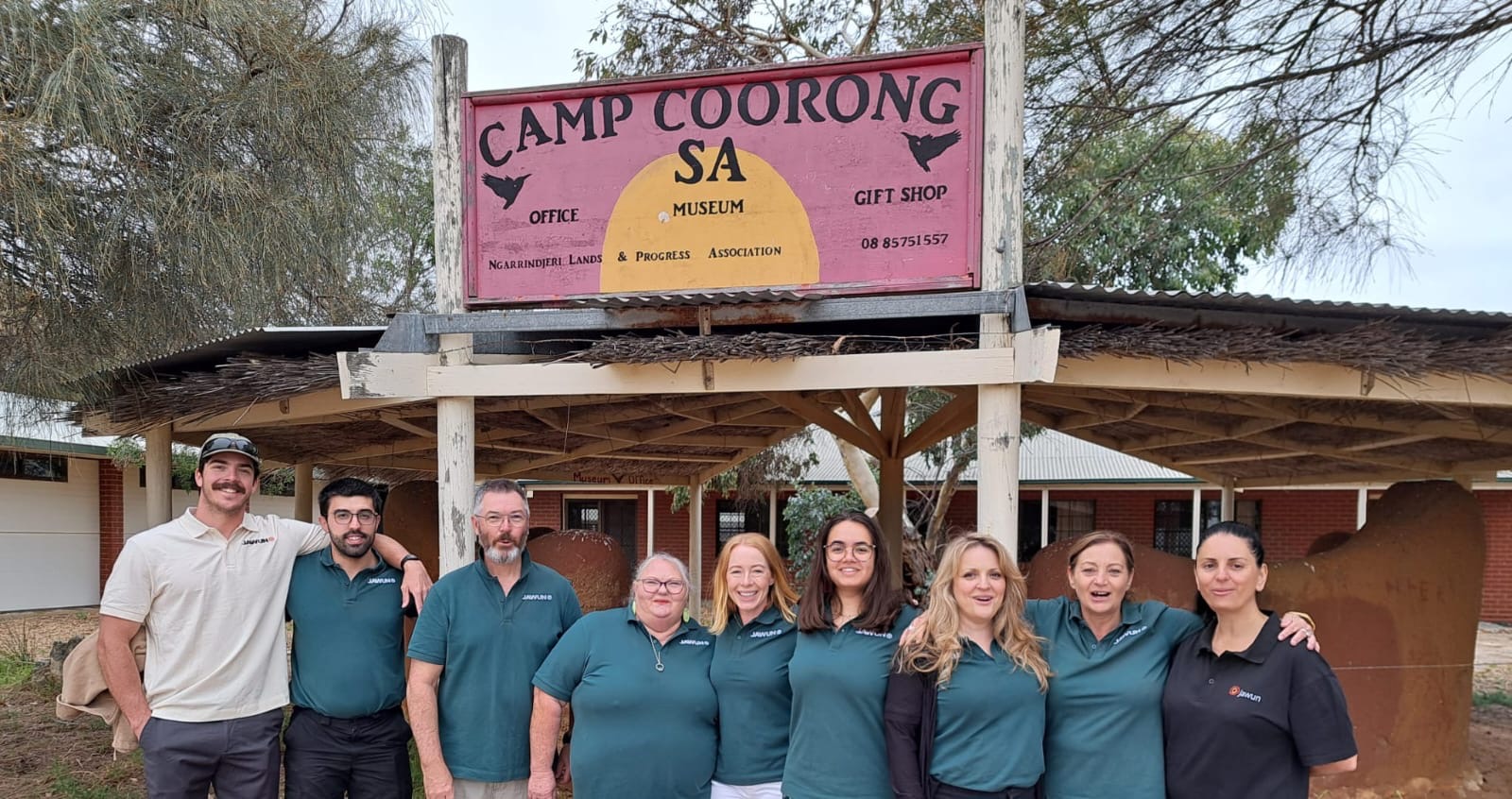
Corporate partners such as Qantas, the Commonwealth Bank, and Woodside have all made longstanding contributions. Qantas has championed cultural immersion programs and leadership development. The Commonwealth Bank has embedded professionals across regions, contributing finance and strategic insights to Indigenous-led projects. Woodside, representing the energy sector, has provided more than 100 employees to work alongside Indigenous organisations and businesses across Australia. Over 50 of its executives and leaders have participated in community visits, connecting with local leaders and organisations to exchange knowledge and improve cultural understanding.
"Our partnership with Jawun is genuine and mutually beneficial, built over time and based on trust," said Tony Cudmore, Executive Vice President - Sustainability, Policy and External Affairs at Woodside. "We're so proud that more than 100 of our employees have devoted their time and expertise to collaborate with Indigenous organisations across Australia, supporting locally driven aspirations and improving long-term community outcomes."
Success Stories: Thriving Enterprises Born from Collaboration
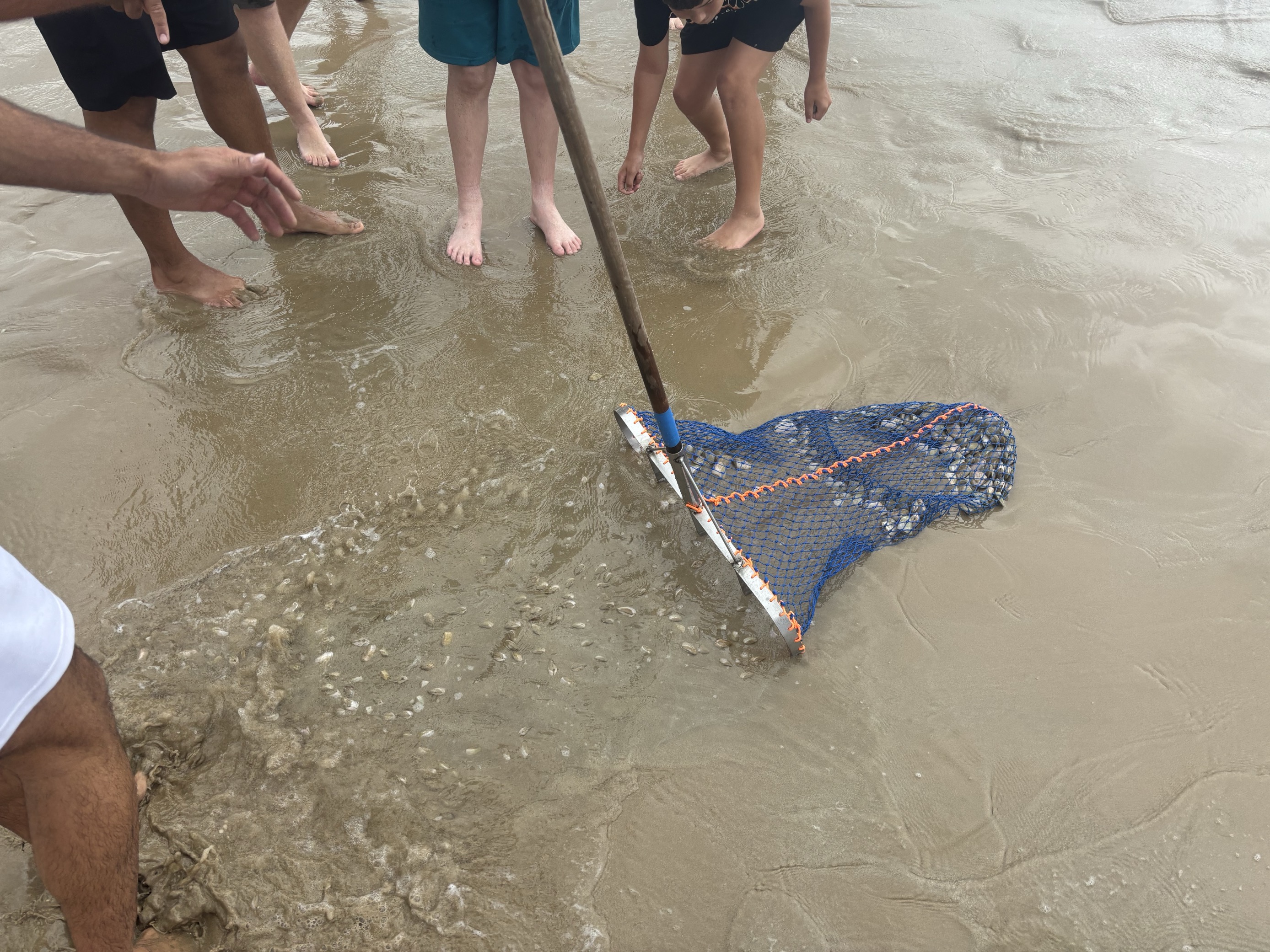
One recent example is Harry Chapman, a Project Engineer at Woodside, who completed his secondment on Ngarrindjeri Country in South Australia's Lower River Murray, Lakes and Coorong region. There, he worked with RUWE Aboriginal Corporation to develop a project execution plan for a solar panel recycling facility, a joint venture between RUWE and Pan Pacific Recycling. Chapman also collaborated with Kuti Co., a pipi harvesting business, designing a business plan to help transition its current harvesting crew from employees into business owners.
"I was lucky to spend time in the Country, take part in board meetings and sit with the community," Chapman reflected. "You think you're going to give something, but you end up receiving so much more."
He also described visiting former mission sites and joining weaving workshops with the Mardawi Sister Weavers. "It was confronting, moving and full of meaning," he said. "The Jawun experience changed how I think. It made me want to understand more about the culture around me, including right here on Whadjuk Country."
In other regions, similar stories of transformation unfold. In South Australia's Ngarrindjeri Nation, a looming funding cut threatened the livelihoods of Indigenous rangers. Rather than accept defeat, community leaders worked with Jawun secondees to develop a sustainable business model. The result was Kuti Co., a thriving Indigenous-owned fishery that became one of the most profitable in the country. "That business broke the mould of what good partnering should look like," Webster reflects.
In Western Australia, the Kimberley Land Council (KLC) tapped into Jawun's network to build capacity around a pioneering carbon trading initiative. Through traditional fire management practices, KLC rangers reduce emissions and generate carbon credits sold in national markets. With business planning and legal expertise supported by Jawun secondees, the initiative has become both an environmental success and an economic lifeline for remote communities.
Each of these stories illustrates the transformative power of capacity-building when Indigenous organisations retain control and set the agenda.
Transforming Systems, Strengthening Capacity
After more than two decades, Jawun is seen as a trusted bridge between sectors. Economically, its contributions have enabled Indigenous businesses to scale, access new markets and create jobs. Socially, it has improved governance and service delivery across sectors like education, health and housing. But the most profound impact lies in long-term capacity building.
Webster is candid about Jawun's philosophy: the ultimate goal is for Indigenous partners to achieve the capability and confidence to operate independently, without ongoing external support. He stresses that true success means no longer being needed. "We only exist if we are making a difference," he explains. "Our aim is to build capability, not dependency."
This philosophy extends to secondees, 80 percent of whom report transformational experiences. Many return to their companies as advocates for Indigenous inclusion and cultural competence. This two-way capacity building creates a multiplier effect, enriching both Indigenous communities and the organisations that support them.
Looking Ahead: Climate, Tech and Group Economics
Webster is particularly excited about future opportunities for Indigenous business in the climate economy and digital innovation. Land stewardship is a strategic advantage, he notes, pointing to the potential of Indigenous-led carbon projects, conservation enterprises and renewable energy ventures.
He also highlights the need for Indigenous inclusion in the Fourth Industrial Revolution. Digital platforms, AI and data sovereignty must include Indigenous voices. Webster envisions initiatives like a national impact capital marketplace and digital hubs to connect communities and share knowledge securely.
Another concept gaining traction is group Indigenous economics—cooperative ventures that allow communities to pool resources and scale collectively. A concrete example is the Kimberley Agriculture and Pastoral Company (KAPCO), a consortium of Aboriginal-owned cattle stations. Shared ownership spreads risk and enhances sustainability, echoing traditional Indigenous values.
Empowerment in Action
Shane Webster's leadership and Jawun's work reflect a powerful shift toward Indigenous-led, place-based reform. By respecting local decision-making and walking shoulder to shoulder with Indigenous organisations, Jawun is helping redefine what true allyship and economic inclusion look like.
"The emerging trend is local voices finding local solutions, with local leaders leading national change," Webster affirms. In this model, Jawun is not the hero. It is the enabler, the facilitator, the friend walking beside. That humble yet impactful stance is reshaping Australia's approach to Indigenous empowerment, one partnership at a time.
In a country still reckoning with its history, Jawun's work offers a roadmap for inclusive growth built on respect, resilience and reciprocal learning. And with leaders like Shane Webster at the helm, the journey toward Indigenous prosperity is not only possible. It is already well underway.



