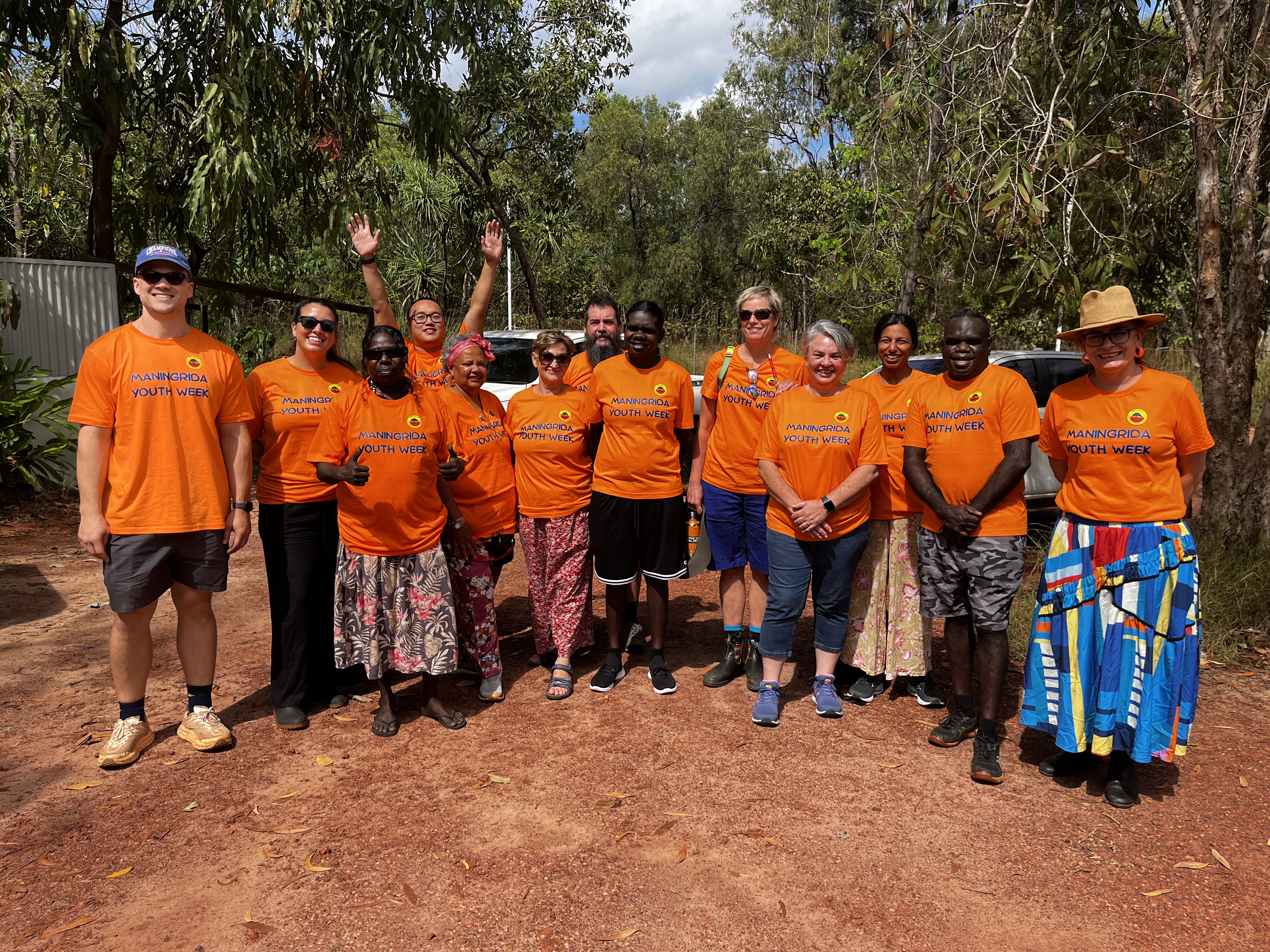

In the heart of West Arnhem Land, on the homelands of the Kunibídji people, something powerful unfolded last week.
From May 12 to 16, the inaugural Maningrida Youth Week brought together the strength, creativity, and spirit of a community determined to show its young people they matter — that their voices are heard, their dreams are valid, and their future is worth fighting for
This wasn't just a week of activities — it was a heartfelt investment in healing, identity, and hope.
Remote communities across Australia often face challenges such as limited access to services, reduced opportunities for employment and education, and poorer health and wellbeing outcomes. But that doesn't reflect the resilience, talent, and potential of the young people who grow up in these places. Too often, their stories are shaped by what's missing — rather than what's possible. Last week's celebrations showcased exactly that: one of brilliance, and the boundless potential that exists when we walk alongside our young people and nurture their growth.
Each day of the week was built around a core theme: healthy lifestyles, healthy culture, healthy habits, and healthy relationships. These weren't buzzwords. They were lived experiences, explored through community-driven activities designed to connect, educate, and uplift.
Youth Week was also an opportunity to provide health check-ups to young people, who are often the hardest to reach. Mala'la Health Service played a central role by deploying both fixed and mobile screening teams across the various events and workshops throughout the week. These health screenings helped normalise wellbeing conversations and reminded young people that their health matters — and that care can be found within their own community.
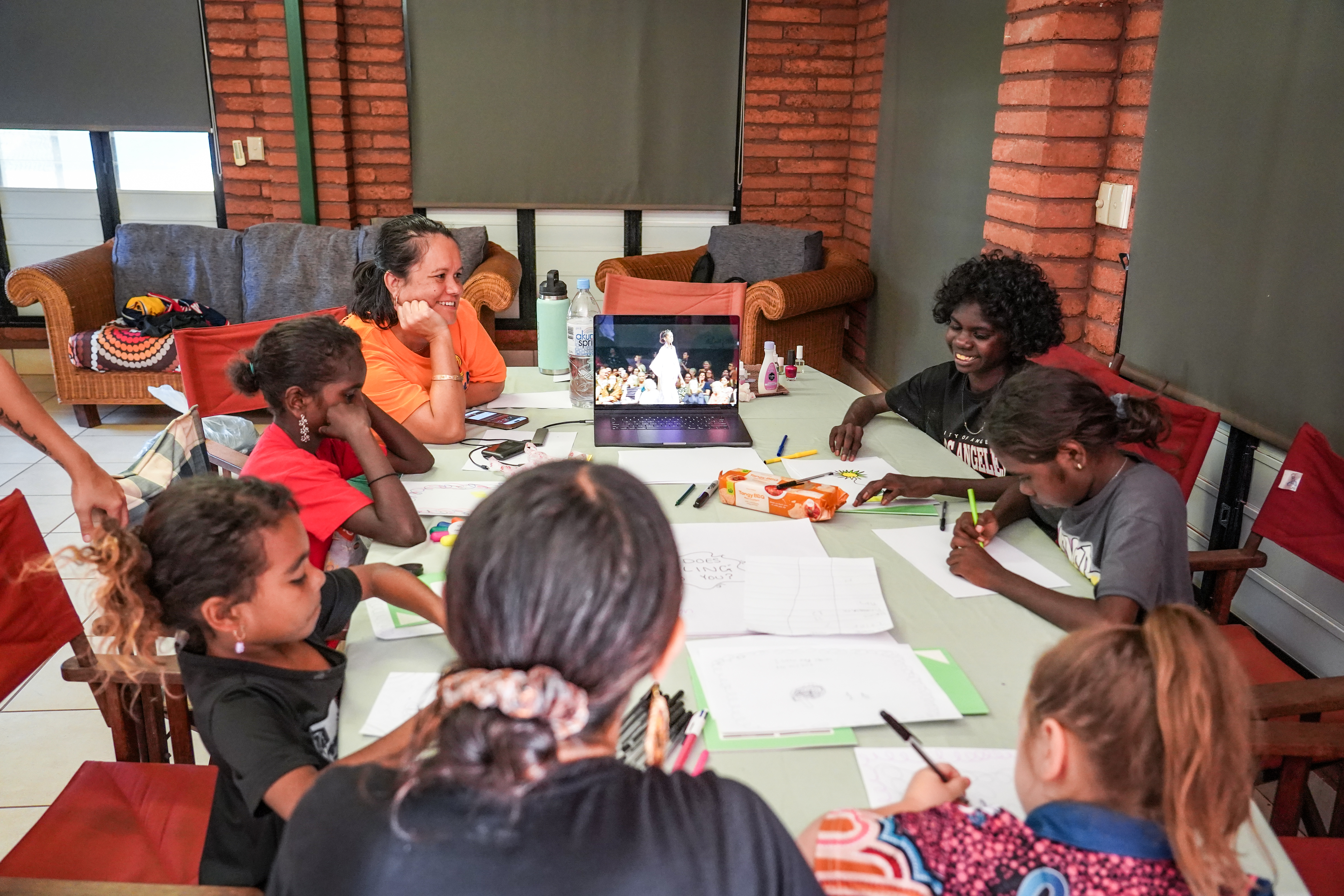
Workshops in respectful relationships created brave spaces for honest conversations about consent, gender roles, conflict, and connection. Young people reflected on the kind of relationships they want to build — not just with partners, but with family, friends, and community.
Boxing sessions and basketball games gave young people an outlet for their energy and strength. Break'n Barriers dance workshops ended in an electric community performance.
One of the most moving moments was the modelling workshop series led by proud First Nations women Tiesha Munnich-Hewitt and her daughter Macie from BamalangMOB Productions (ONEMOB). Young people designed outfits that told their stories, then learned how to strut down a runway with pride. Their bush runway fashion show, delivered in partnership with Bábbarra Women's Centre, was more than an event — it was a declaration: we are here, we are proud, and we will be seen.
But perhaps the greatest achievement of Youth Week was not in the events themselves — but in the confidence, connection, and courage it sparked in young hearts.
Behind the scenes, health checks, self-care activities, and pamper workshops reminded young people they are worthy of care. Elders, service providers, and community members came together with one clear goal: to show our youth they are not alone.
We cannot underestimate the impact of this kind of investment. In a world where so many of our young ones feel unseen, Youth Week said, we see you. It said, your story matters. It said, you are not just surviving — you are leading.
This inaugural Youth Week must not be the last. It must be a blueprint — one that governments, service providers, and leaders take seriously. Because the outcomes we all want for our youth — better mental health, stronger cultural identity, safer communities, and real pathways to employment and education — don't come from policy papers alone. They come from the ground up. From Country. From connection.
Maningrida showed us what's possible. Now it's time to ensure every young person in every remote community has the same chance to rise.
They don't need saving. They need support.
They don't need fixing. They need investing in.
Because they are not the problem — they are the future.