



This report contains the name of an Indigenous person who has died.
Mary Ann Miller gave birth to her seventh child at Perth's Fiona Stanley Hospital in March. Just two weeks later, the homeless Aboriginal woman died from sepsis. She is mourned by her mother, who blames WA's Department of Housing.
"They made promises... but they never came through. Now my daughter's gone," Kaye Miller, Mary Ann's mother, told National Indigenous Times.
The 37-year-old had been evicted from her Department of Housing and Works (DHW) home in Perth's north a month before her death. She was living with a serious heart condition—her heart functioned at only 25 per cent—and had experienced domestic violence.
Despite homelessness, illness and violence, her dedication to her children remained unwavering.
"She looked after them, played with them constantly. She got up every morning, always on time, and made sure they were at daycare," Ms Miller said.
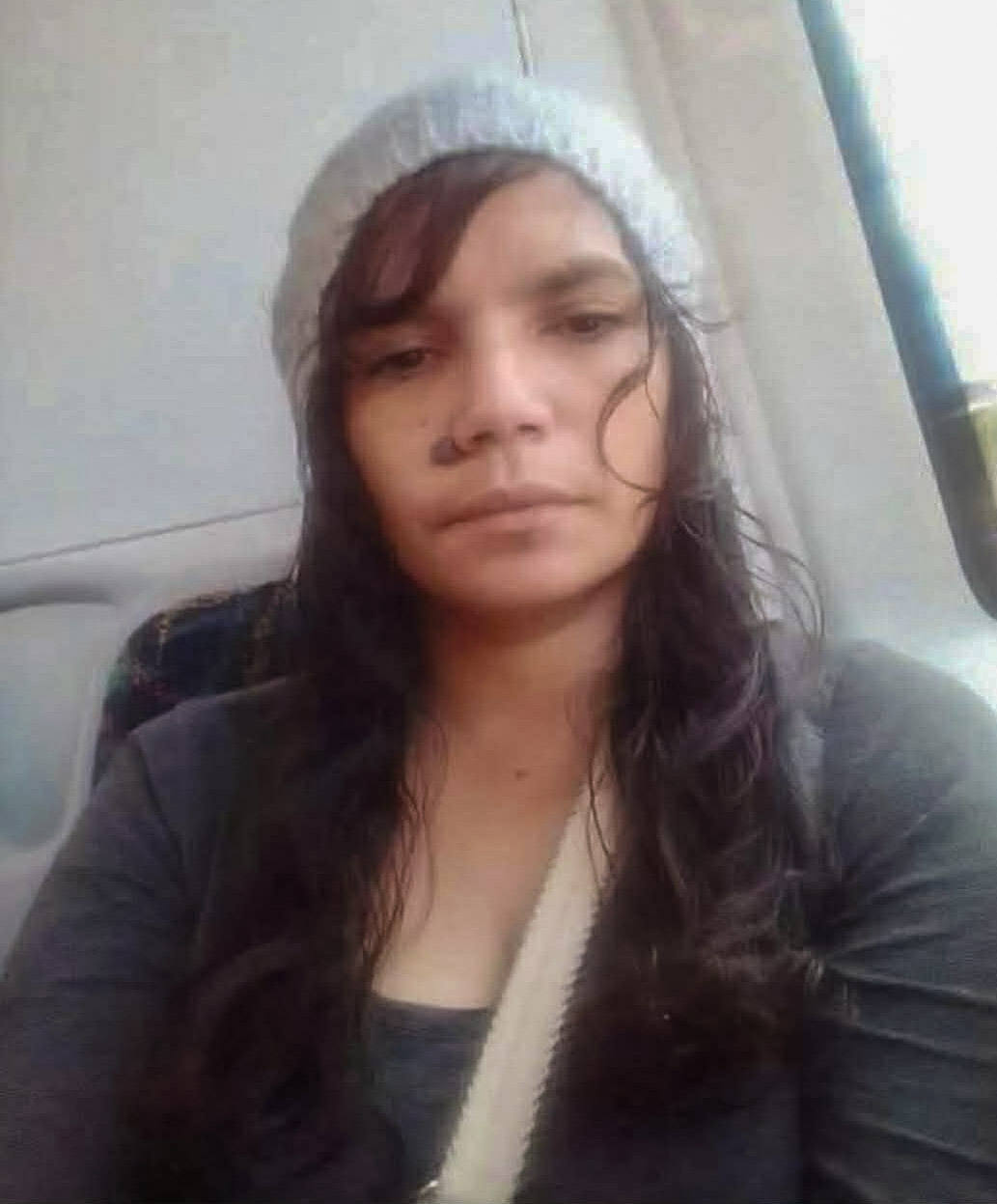
"Wherever she went, her children went too. She was determined they wouldn't end up in the mission."
Parenting was at the heart of Mary Ann's life. Yet, she could not escape an ex-partner who subjected her to violence.
About a week after giving birth, Mary Ann was badly beaten by her ex-partner.
"He beat her after she had the baby—broke her nose—and then she got sepsis," Ms Miller said.
WA Police told National Indigenous Times that investigators had not identified evidence of criminal offending in Ms Miller's death, and that a report was being prepared for the coroner.
However, Ms Miller says her daughter's death could have been prevented if the DHW had "delivered on its promises".
"If she had been transferred to a home that was safe, like they said they were going to, she could have been protected from him, and she wouldn't have got so sick from being homeless."
A DOHW spokesperson told National Indigenous Times that Mary Ann's tenancy at her home—which she had lived in since 2021—was ended earlier this year by an order of the Magistrates' Court.
The spokesperson said this was because Mary Ann "had not responded to or sought to engage with multiple reasonable requests to provide DHW staff access to conduct required annual property inspections".
"There was evidence that the property was being left unsecured," the DHW spokesperson said.
National Indigenous Times does not suggest it has been established that the DHW is responsible for Mary Ann's death.
Housing advocate Dr Betsy Buchanan, who worked with the Miller family, said Mary Ann may have left the property unsecured while staying with family to protect herself from her violent ex-partner.
"She was frightened, so she kept staying with her brother to protect herself from being bashed," Dr Buchanan told National Indigenous Times.
According to the DHW, following the eviction, Mary Ann was placed on the priority housing waiting list due to her circumstances.
A DHW spokesperson also emphasised, "the decision to apply for a court-order termination does not occur often and is taken as an action of last resort".
But the action to evict Mary Ann and the resulting homelessness reflect a broader issue of Aboriginal mothers not benefiting from targeted social housing reforms, according to human rights lawyer Dr Hannah McGlade.
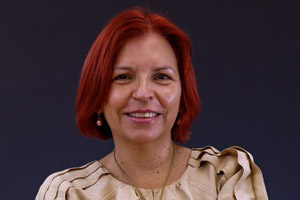
"We know that Ms Miller and many other Aboriginal women are being denied stable housing while battling serious illness, and lack of housing is leading to their early and preventable deaths," Dr McGlade told National Indigenous Times.
She expressed deep condolences to the Miller family and lamented that "too many Aboriginal children in our state have lost their mums to violence, whether it be FDV or state neglect and structural violence".
Dr McGlade pointed to Victoria's First Peoples' Assembly — the elected Aboriginal body which negotiated a Treaty with the state — as a model for WA, arguing it would give Aboriginal people a formal voice in decisions like housing affecting their communities.
Ms Miller said she was speaking publicly about her daughter's death in the hope other young Aboriginal women would not face the same circumstances.
"If this works to change the circumstances for just one young lady, whose children might have their mother around for a bit longer, then I will be happy," Ms Miller said.



