



Governance isn't just about ticking boxes or filling seats. In our communities, it's sacred. It's about how you carry yourself, how you serve your people, and whether your decisions reflect the values you claim to stand for. And right now, in too many spaces, we're getting it wrong.
I recently attended the Australian Institute of Company Directors course and learned governance isn't about ego — it's about responsibility, strategy, and trust. But across the Northern Territory, I've sat in too many boardrooms where that trust has been eroded — not through one big scandal, but through a steady drip of poor behaviour, unchecked bias, and silence when it mattered most.
In First Nations organisations, governance carries a different weight. It's not just corporate compliance — it's cultural stewardship. We're not just managing money or resources. We're protecting identity, upholding community trust, and influencing the futures of our kids and grandkids. Every decision we make ripples across kinship lines, across Country, across time.
And that's why conflict of interest isn't just a technicality. It's a test of integrity.
Let's be honest, our communities are deeply connected. We're cousins, colleagues, carers. You can't always avoid a connection — but you can declare it. You can step aside when it matters. And if you can't do that, you have no business sitting at the table.
The problem isn't that conflict of interest exists — it's when we pretend it doesn't. When we allow it to shape decisions behind closed doors. When we stay silent to protect our roles instead of protecting the people we represent.
And perception matters. In governance, it's not just about what's true — it's about what's seen. If community members think decisions are being made to benefit mates, family, or favourites, trust is already gone. And once trust is broken, rebuilding it takes more than words — it takes action.
We need to stop being defensive and start being brave.
Brave enough to keep live conflict of interest registers. Brave enough to question each other — respectfully, but directly. Brave enough to recognise when we're too close to make the call. That's not weakness. That's leadership.
Too often, our boards run on autopilot. The same people, the same voices, the same unspoken rules. That's not legacy. That's gatekeeping. We have to ask: who are we not inviting to the table — and why?
Young people are watching. Women are waiting. People with lived experience have been knocking on the door for years. We say we want change, but we still recycle the same names out of comfort and familiarity. That's not governance. That's resistance to progress.
This year's NAIDOC theme, The Next Generation: Strength, Vision & Legacy, is not just a celebration — it's a challenge. A challenge to step aside when needed, to lift others up, to build systems which reflect who we are as a people, not who we were told to be.
Governance done right should feel like safety. It should feel like inclusion. It should feel like responsibility — not power. And it should never be used as a shield for individual interests, ego, or exclusion.
If we truly believe in self-determination then we must lead with transparency, cultural accountability, and purpose. Not just for funding bodies or compliance reports — but for our communities. For our Elders. For our future leaders.
Good governance is cultural governance. It honours kinship and law. It protects relationships without compromising truth. And it ensures every decision made today reflects the values we want to see tomorrow.
We're not here to replicate the systems that have failed us. We're here to redesign them — grounded in culture, driven by integrity.
Let's govern the way we walk: with clarity, courage, and deep respect for the people we serve.
Our legacy depends on it.
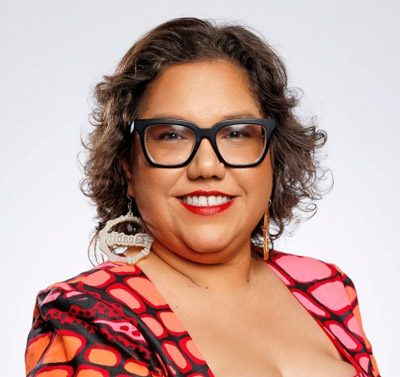
Nicole Brown is a proud Larrakia woman and social activist whose primary aim is to advance Australia's First Nations peoples.



