




In the wake of Australia's controversial social media ban — introduced by the federal government as a measure to protect children — questions remain about how a child under 14 can be barred from platforms such as Facebook, Instagram or Reddit, yet still be sent to prison.
Earlier this month, despite criticism in some circles — including an open letter signed by more than 140 Australian academics, international experts and civil society groups — Australia enacted the world's first social media ban for children under 16.
Passed a year ago, the policy has strong public support, with a recent Redbridge poll finding two-thirds of respondents in favour. The ban has cut off social media access for more than two million under-16s.
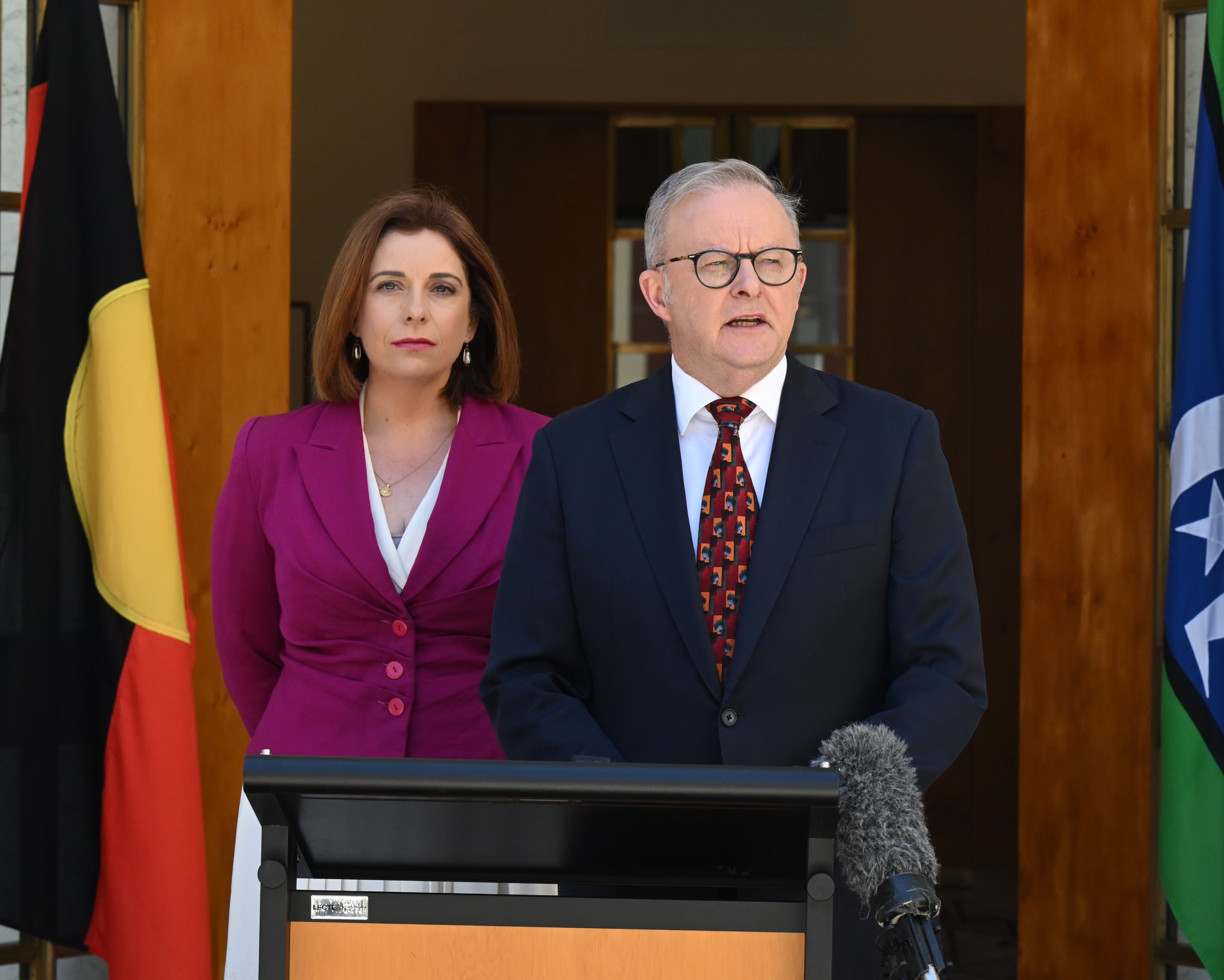
"This is a day in which my pride to be prime minister of Australia has never been greater. This is world-leading. This is Australia showing enough is enough," Prime Minister Anthony Albanese said last week as the ban came into effect.
Let them be kids
The ban was heavily promoted by News Corp through its "Let Them Be Kids" campaign; described by the Prime Minister as "the most powerful use of print media I have seen for a very long period of time".
However, the policy has been contentious. Reporting by Crikey revealed the government had "no robust evidence" to justify choosing 16 as the cut-off age, and lacked clear evidence on the overall effectiveness of the ban, while Guardian Australia reported many tech companies have been opposed to the ban from the outset.
Platforms including Instagram, Facebook, X, Snapchat, TikTok, Reddit and YouTube are required to enforce the restrictions, and several countries — among them Malaysia, Indonesia, Denmark and Norway — have since indicated a desire to follow Australia's lead.
The widespread support for the ban stands in sharp contrast to developments in youth justice policy, where tougher laws have driven an increase in the number of children being incarcerated, pushed in part by media campaigns that have called for stricter laws for children and young people.
View this post on Instagram
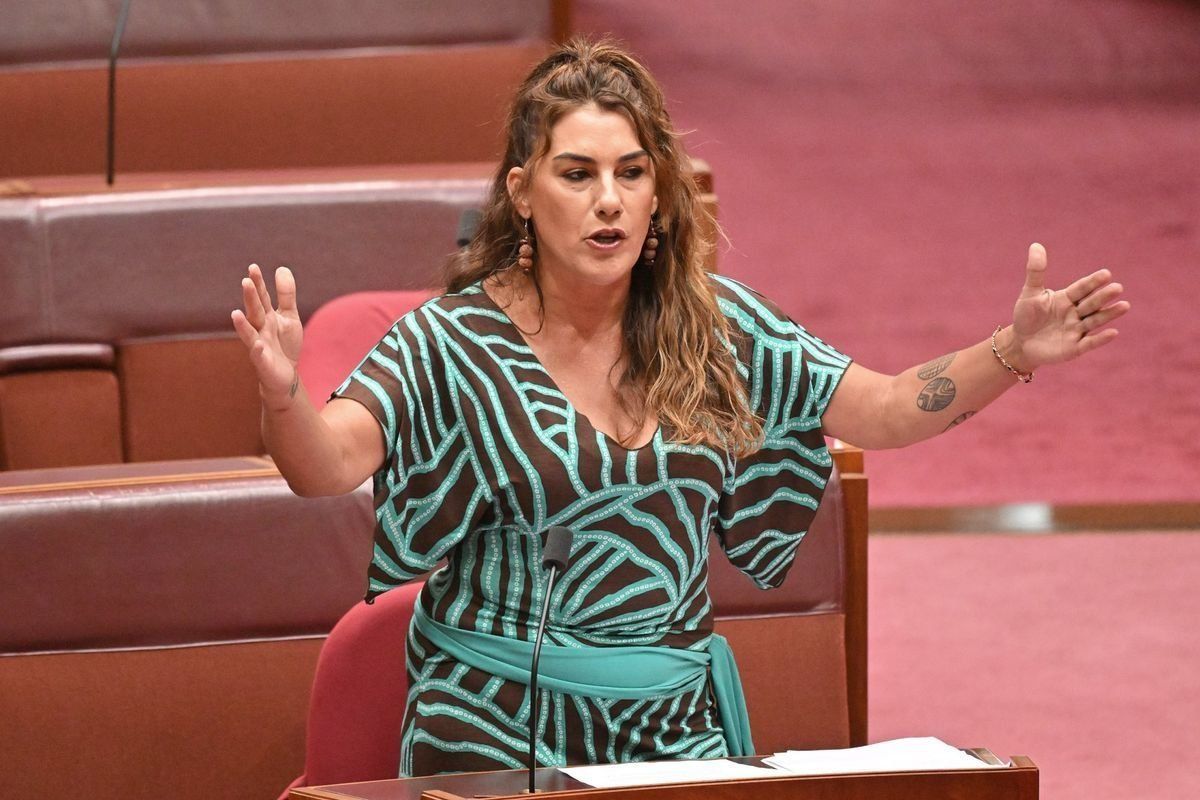
Speaking to National Indigenous Times, independent senator Lidia Thorpe said governments have taken an "ad-hoc" approach to child safety.
"Too often, a child's socio-economic background or skin colour determines whether their rights are protected or ignored," she said.
She argues there is a fundamental disconnect between the federal government's support for a social media ban to protect children and state and territory laws that funnel children of the same age into detention.
"Children as young as ten are still being arrested and jailed. We have seen children bound and hooded, stripped and brutalised by adult guards, and held for days in solitary confinement in adult police watch houses with the lights left on," Senator Thorpe said.
"A country that genuinely respected children's rights would not allow this. The Albanese government does."
She noted the federal government has acted swiftly on other serious child protection issues — citing abuse and sexual abuse in childcare centres — but said similar urgency has not been applied to abuse occurring in residential care facilities, many of which feature a disproportionate number of Indigenous children and those from low-socioeconomic backgrounds.
"Governments are the legal guardians of these children and have a clear duty of care, yet these children, many from disadvantaged and racialised backgrounds, suffer greatly in this 'care' and are not afforded the same protection or urgency," Senator Thorpe said.
Can't look at Facebook, but can go to jail
In New South Wales, the number of children in detention has increased by more than 30 per cent. In the Northern Territory, the lowering of the age of criminal responsibility to 10 has been widely criticised by experts.
Queensland — and now Victoria — have laws that allow life sentences for certain offences committed by children, with Queensland permitting such sentences for children as young as 10.
Speaking in the NSW Parliament last month during debate on reforms to doli incapax, GP and Greens MP Dr Amanda Cohn was unequivocal.
"We should not be locking kids up at all," she said.
"Not only is that inhumane and not evidence based, but it will also only increase crime long-term by introducing children to the criminal justice system and lowering the chances for their rehabilitation."
View this post on Instagram
Drawing a comparison with the social media ban, Dr Cohn added: "The 10- to 13-year-olds being locked up are too young to go on social media or YouTube. They cannot vote, legally gamble, drink alcohol or buy cigarettes.
"It is clear from the medical evidence, from my own experience as a practitioner and from every other law in every portfolio that children under the age of 14 cannot be criminally responsible. They cannot truly understand the long-term nature of a crime they have committed and its impact on people. If they could, we would allow them to consent to being prescribed antibiotics."
Human rights failures
Senator Thorpe says the inconsistency reflects deeper failures in Australia's human rights framework. Although the Commonwealth has signed international treaties intended to protect children, they are often not incorporated into domestic law.
"The result is widespread and well-documented abuse of children's rights, with little accountability or avenues for justice or systemic change," she says.
She argues Australia needs a national, rights-based framework to protect all children — such as a Rights of the Child Act or a federal Human Rights Act — calling on the Commonwealth to use its constitutional powers to legislate minimum national standards.
"Claims that the Commonwealth is powerless because criminal justice is a state responsibility are misleading. The federal government repeats this disinformation frequently. They have the power, they just simply refuse to use it because they do not want to open themselves up to political criticism on law and order issues," Senator Thorpe said.
"We must stop accepting this cop out excuse. It is long past time for Australia to protect human rights consistently, particularly the rights of children, regardless of their class, background or skin colour."



