



The Tasmania JackJumpers have unveiled the club's NBL25 Indigenous Round uniform, designed by Tasmanian Aboriginal artist Caleb Nichols-Mansell.
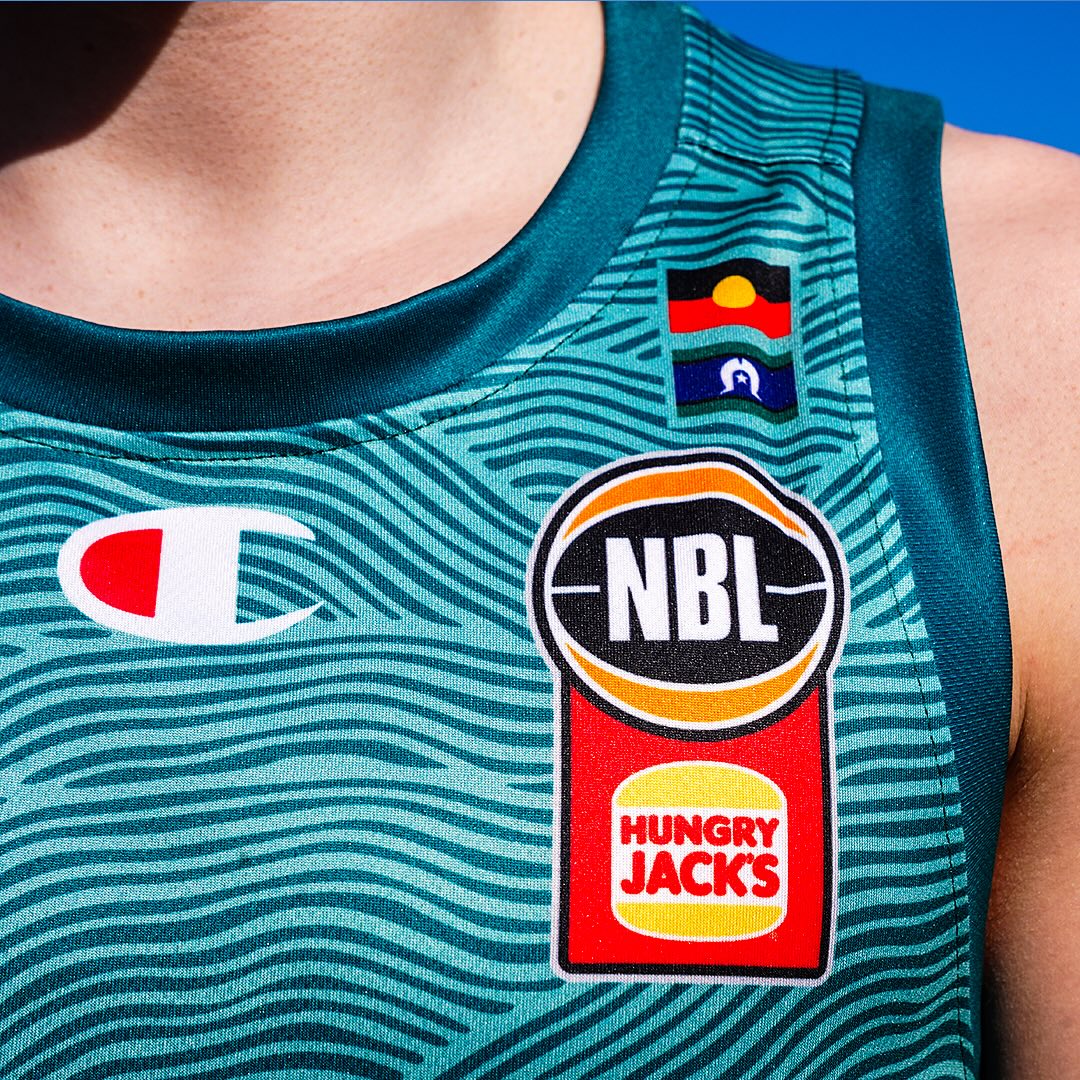
In revealing the design the reigning NBL champions said the jersey includes "artwork that's symbolic of the deep-rooted connection between the Tasmanian Aboriginal community and the island".
The jersey features nine circular motifs, representing Tasmania's nine Aboriginal nations prior to colonisation, which the JackJumpers say celebrates the resilience and heritage of the Tasmanian Aboriginal community.
Nichols-Mansell said when designing the jersey, he wanted to represent Tasmanian Aboriginal people's cultural ties to land and sea Country.
"I wanted this jersey to reflect our connection to the land and sea, especially the salt water, which has been central to our culture for generations," the mixed media artist said.
"By incorporating symbols of our nine nations, I hope to honour the strength of our ancestors and our ongoing presence on this island."
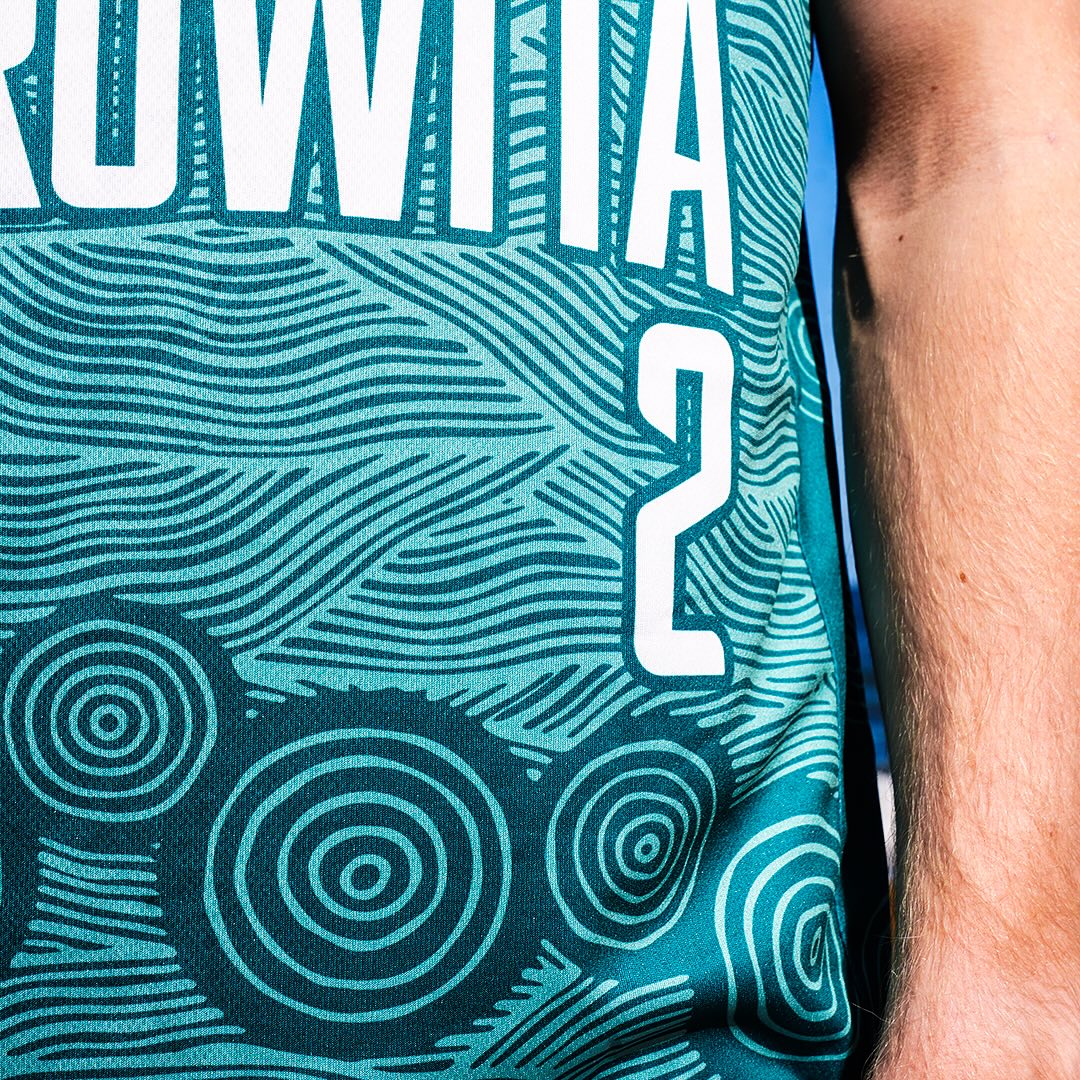
The design, which also includes intricate linework, was selected by the JackJumpers' recently established Aboriginal Advisory Panel consisting of Uncle Rodney Dillon, Auntie Lola Greeno and Theresa Sainty.
JackJumpers chief operating officer, Darren Smith said the franchise was "honoured" to share a jersey which represents Tasmania's Aboriginal heritage.
"We're honoured to showcase this unique jersey that reflects our respect and admiration for the rich cultural heritage of Tasmania," Smith said.
"It's a privilege to work with such talented artists and Elders and ensure our club remains connected to the diverse stories of this state."
The franchise's Indigenous round jersey comes after the JackJumpers scrapped last year's design, following a complaint made to the organisation by Tasmanian Aboriginal man Rulla Kelly-Mansell via the Tasmanian Aboriginal Centre.
Kelly-Mansell said the uniform, design by Tasmanian Aboriginal artist Reuben Oates, was "really highly offensive to the Palawa-Pakana and to community and to culture", as it included the use of dots.
Following the JackJumpers decision to pull the strip - which caused notable controversy within the Tasmanian Aboriginal community - JackJumpers chief executive Christine Finnigan apologised for the organisation's lack of due diligence.
"The fact that we failed to consult widely does not align with the values and behaviours we hold ourselves accountable to and, for that, we apologise," Finnigan said at the time.
"The JackJumpers are committed to doing everything we can to rectify the mistakes that have been made and working towards a more educated, respectful, and our culturally-aware future."
Oates later defended his design, telling National Indigenous Times "historical records do demonstrate a history of using dots in traditional Tasmanian Aboriginal culture".
"We must remember how all of this began: I was publicly accused of plagiarism and cultural misappropriation," he said at the time.
"The decision to withdraw the jerseys should never have been made. The JackJumpers were influenced by a vocal interpretation."
After becoming available for purchase on Wednesday, the JackJumpers said they invited fans to wear the franchise's "meaningful jersey with pride".
"The JackJumpers look forward to the upcoming NBL's Indigenous Round and continue to honour Tasmania's Aboriginal heritage, both on and off the court," they said.



