




The Wurundjeri Woi-wurrung community has become the latest Traditional Owner group to formally begin preparing for treaty negotiations with the Victorian government, saying it will focus on the environment, health outcomes and education.
Following the Treaty signed last year between the First Peoples' Assembly of Victoria and the state government, other Traditional Owner groups can now pursue their own agreements, overseen by the independent Treaty Authority.
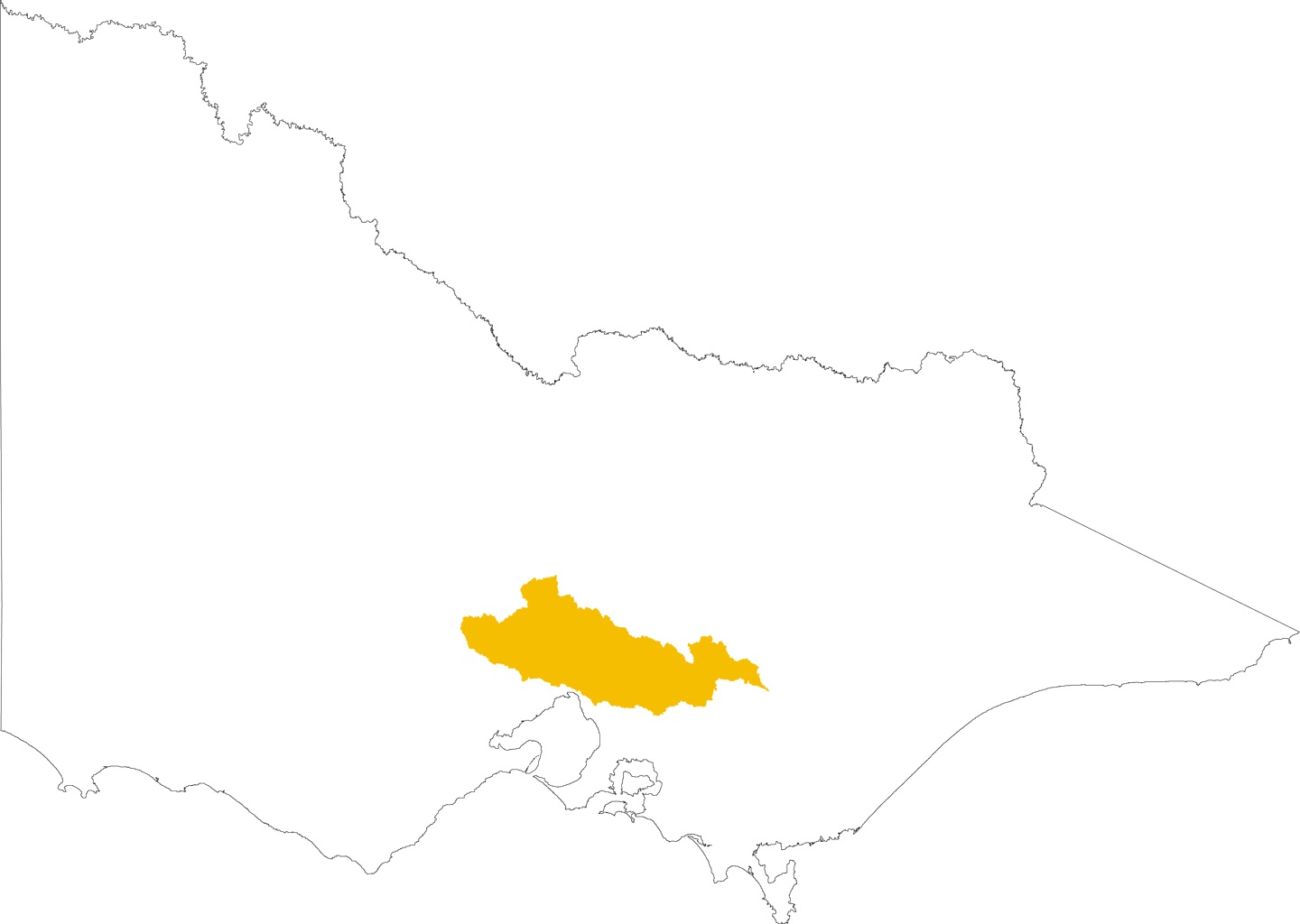
The Wurundjeri Woi-wurrung Cultural Heritage Aboriginal Corporation represents the Traditional Owners of large parts of Melbourne's CBD, stretching from the Yarra Ranges in the east to the Great Dividing Range in the north and the Werribee River in the west.
On Thursday, the corporation announced it had entered the Treaty Authority's Negotiations Register — the fifth Traditional Owner body to do so.
"A Wurundjeri Treaty will look at key issues such as the environment, education, and health-related targets, including improving outcomes in life expectancy, and across mental health and trauma-related illness," it said in a statement.
It joins Dja Dja Wurrung Clans Aboriginal Corporation, Bidwell-Maap Traditional Owners, Barengi Gadjin Land Council Aboriginal Corporation and Tati Tati Traditional Owner Group on the Negotiations Register.
Wurundjeri Woi-wurrung Elder Uncle Andrew Gardiner said the announcement was a positive step for the community, acknowledging its "intention and commitment" to set out a framework for real change.
He argued Treaty was about "closing the gap in health, education and the environment," and having a seat at the table on issues that directly "concern our communities".
"Wurundjeri's Treaty aspirations will reflect broader community concerns with a focus on cultural practices such as land management and improving water quality and managing the impacts of fire and flood," Mr Gardiner argued.
Those priorities include revitalising the Birrarung (Yarra River), as well as other waterways and wetlands, and creating cleaner ecological spaces for swimming and fishing, as well as for plant and animal life.
Treaty negotiations and the Treaty Authority's role are guided by the Treaty Negotiation Framework. Once listed, groups enter a formal process that includes public notification to ensure both Traditional Owners and the wider Victorian community are informed.
Wurundjeri Woi-wurrung man Dale Wandin said Treaty was self-determination in action. For the Wurundjeri community, it would be about the "health of our people and the health of the land," he said.
More than 190 years after the failed Batman Treaty, which aimed to "purchase" large areas of Wurundjeri Country in return for small items such as blankets and hand tools, Mr Wandin argued Treaty would bring "our communities closer together" and improve lives.
"It will give our communities the chance to lead the revival of lost languages and cultural practices and recognise our knowledge of environmental and ecological systems for the benefit of the whole community," he said.
"This is about self-determination and better outcomes for all. It's a chance to focus on what really matters to our communities, and leading this change, alongside government, industry, the people of Greater Melbourne area."



