
Geelong and Port Adelaide will expand their reach with First Nations footballers and communities in the remote Northern Territory and South Australia with funding form the AFL.
The clubs are the initial recipients of the league's First Nations Impact Fund, each receiving 12-month long funding of $75,000 to deliver initiatives.
Port's successful application is for their plans to filter grants into four SANFL clubs through First Nations Talent Pathway Fund.
The money will support the clubs cover travel and accommodation costs for First Nations players in the state league's Under-14, Under-16 and Under-18 talent pathways, as well as Project Officers within the Power's Next Generation Academy to work closely and provide culturally-informed support to the young footballers and their families.
"This investment helps remove the barriers of travel, accommodation and connection that can prevent talented First Nations kids from having an opportunity to progress from their communities into the SANFL talent pathway," Port premiership player Shaun Burgoyne said.
"Through our NGA Program and working with our aligned SANFL clubs, we'll put real support around players and their families, so the next generation can focus on playing footy, being part of an SANFL Club and ultimately chasing their AFL and AFLW dreams."
Burgoyne works at the Power as Projects Officer and in Indigenous Development.

He says "First Nations talent hasn't gone away" and the right talent can reopen doors for them.
The SANFL junior talent pathway participation is in the midst of a generational decline.
Funding comes as the AFL continues initiatives following the announcement of the First Nations Impact Fund, its broader First Nations Strategy and aims to increase the number of Indigenous players at the top level, in both the men's and women's competition in the coming few years.
Increased engagement with communities, retention of top talent, and First Nations representation in footy outside the elite playing level is also targeted.
Funding for Port and Geelong's programs come out of royalties made out of Sir Doug Nichols Round.
National Indigenous Times understands the Cats and Power will invest their own funding into the initiatives, and a number of applications came from clubs across the competitions following an expression of interest sent out.
The Port's footprint across the state is already established, including a footprint in the APY Lands and Eyre Peninsula.
On the latest plans, Burgoyne said he knows first-hand how this could make a difference.
"I know what this pathway can do because I've personally lived it. When I came through Port Adelaide's junior programs in the late 1990s, there were up to 15 First Nations players in our SANFL junior teams and that was the norm," he said.
"That's where we need to get back to and as a game we should be aiming higher than where we are now. This funding is a big step towards that."
Port will match the AFL's $75,000 going to SANFL First Nations Talent Pathway Fund in 2027.
They'll report progress back to the AFL.
Geelong is looking to get some of its past First Nations players involved in their work in NT.
The Cats secured support for its Top End mentoring program Walking Together, to strengthen the club's work throughout its NGA region including East Arnhem Land, Katherine and Daly River.
Arnhem Land has been part of their footprint since 2007.
Previously players, yet to be confirmed, back in the NT and connected to Country are set to become ambassadors to offer year-round support for young people, families and communities within the NGA program.
This includes male and female players, some possibly not currently playing in structured competitions in their remote home communities.
Talent identification, pathway opportunities, education, employment, community engagement and more are within the scope of the mentor's work.
Geelong will continue working with key stakeholders to shape the program with a commitment to meaningful engagement, club head of community and pathways Will McGregor told National Indigenous Times.
Seeing a Top End NGA member one day run out in the hoops is a "dream outcome" but not the whole picture.
Whether its ends up providing a pathway to the NTFL, but there's other measures of success to the impact made part of the bigger picture, McGregor added.
"We're excited about the opportunity this program will create for young people in remote communities to connect with mentors who understand their backgrounds and experiences, while also giving our past players an opportunity to connect with and support the next generation," Cats chief executive Steve Hocking said.
"As our NGA footprint has expanded, we have a responsibility to think about how we engage genuinely and consistently. This program will be an important part of building that ongoing relationship."
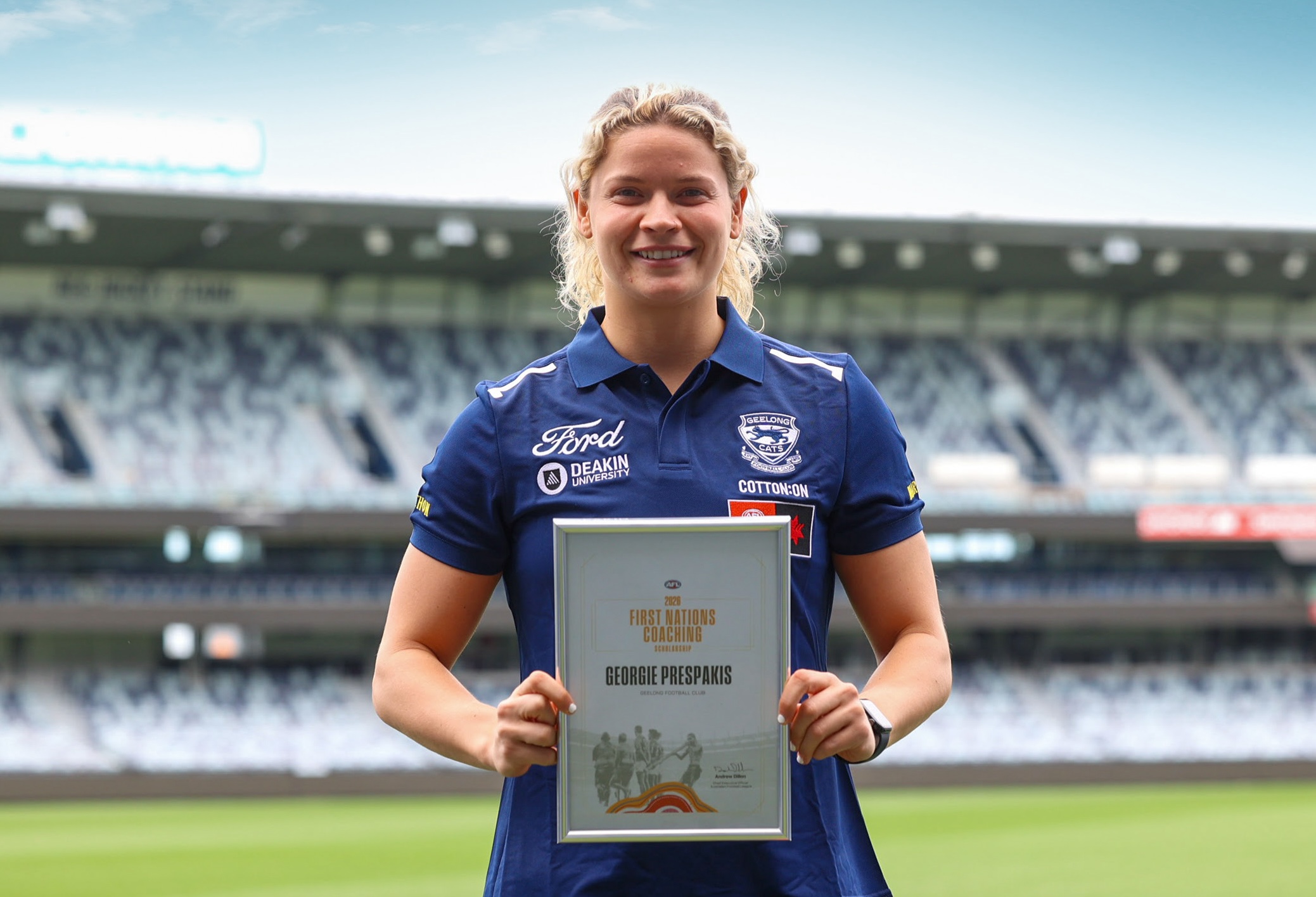
Last month, Cats star Georgie Prespakis was confirmed as as one of five inaugural AFL and Coaches Association-co delivered First Nations Coaching Scholarship recipients, a separate initiative.
AFL General Manager of First Nations Engagement and Inclusion Taryn Lee said what comes out of the funded projects will inform broader work across football.
"Through their applications, both clubs demonstrated a strong commitment to delivering meaningful outcomes for First Nations people through culturally informed, club-led initiatives aligned to the AFL's First Nations Strategy," Lee said.
"While these investments are specific to each club and their communities, the learnings and insights generated through these initiatives will be shared across the industry, ensuring the benefits extend beyond the individual projects and help inform future First Nations initiatives across footy."