


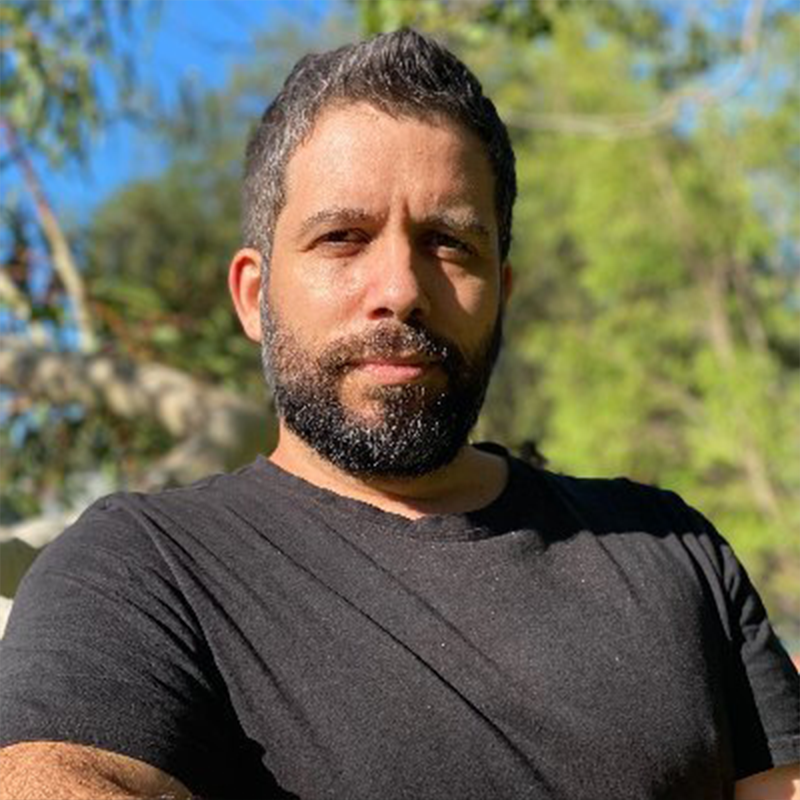

Among the hundreds of Indigenous leaders and experts who gathered in Adelaide on Kaurna Country last week for the National First Nations Housing & Homelessness Forum was Patricia Cotton, chief executive of the Aboriginal Sobriety Group.
The South Australian group began in 1973 when seven people, Cyril Coaby, May Wilson, Anne Koolmatrie, Jack Koolmatrie, Neville Smith, Cyril Lindsay and Alex Gollan, who had gained their sobriety, began to meet to support one another and others.
Today, the Aboriginal Sobriety Group has a small staff but operates a field service, a hostel at Torrensville, known as Allen Bell House, and an overnight shelter - Cyril Lindsay house. The Group works to support people through crises, on their journey away from substance abuse, and also to seek treatment where needed and to pursue employment and stable accommodation.
Ms Cotton spoke at the session 'Stolen Lands: Cultural Competencies', which focussed on the importance of cultural competence at the core of management, and on the need to centre effective approaches to Aboriginal homelessness around extended families, not just individuals.
She told National Indigenous Times it is important to "find the grey area and go colour it in".
"Some of the work we do at Aboriginal Sobriety Group is covering homelessness…we have two hostels there for our men and women – housing four people in each, making sure it is culturally appropriate and safe for both our men and our women," she said.
"One of the areas we struggle in in our homelessness sector is funding, being a small ACCO."
At the Forum, Ms Cotton discussed what cultural competency looks like, "not just for an ACCO, but also from an external view looking inwards" and what "the importance of Aboriginal voices looks like in our sector, from policies and procedures all the way to community focus as well".
"One of the other struggles is the intense rate of Aboriginal people coming into our services and the renewal and revisit of our clients that keep coming back to us, which means that the causes aren't being solved; we are not getting to the punchline of sustainable housing for our people," she told National Indigenous Times.
"We are going to continue to work on that in collaboration with our partners."
Hundreds of leaders gathered for the Forum, which tackled topics including local decision making, Indigenous leadership, place based approaches, sustainable building, infrastructure, regulation, design, funding models and more.



