



Queensland Indigenous Family Violence Legal Service provided an important submission to the Child Safety Commission of Inquiry this week during its first public hearings in Cairns.
The Commission of Inquiry was established by the Queensland government to investigate reported systemic failures within the Department of Families, Seniors, Disability Services and Child Safety in relation to the placement of children into state care.
The Commission is also tasked, under its Terms of Reference, with inquiring into reforms of the residential care system, fixing a broken system, keeping children safe, how to achieve safer communities and to review Queensland legislation about the protection of children.
This week QIFVL provided a submission on the List of Issues being explored in Cairns, and will also provide evidence before the Commission, which will be sitting in Cairns for three weeks.
QIFVLS chief executive Wynetta Dewis welcomed the decision to hold the first of the hearings in Cairns.
"It will bring to light some of the issues that are really quite prevalent within Far North Queensland, and can be different to what will be seen when they sit in other regions like Brisbane, our metropolitan capital, for example," she said.
"We're very grateful that the first hearing has occurred here."
Given the grossly disproportionate representation of Aboriginal and Torres Strait Islander children placed in out-of-home care, the presence of QIFVLS as a party to proceedings at the Inquiry will provide "a relevant and insightful perspective" ensuring the issues that impact Aboriginal and Torres Strait Islander families and communities are brought to light, the Service said on Friday.
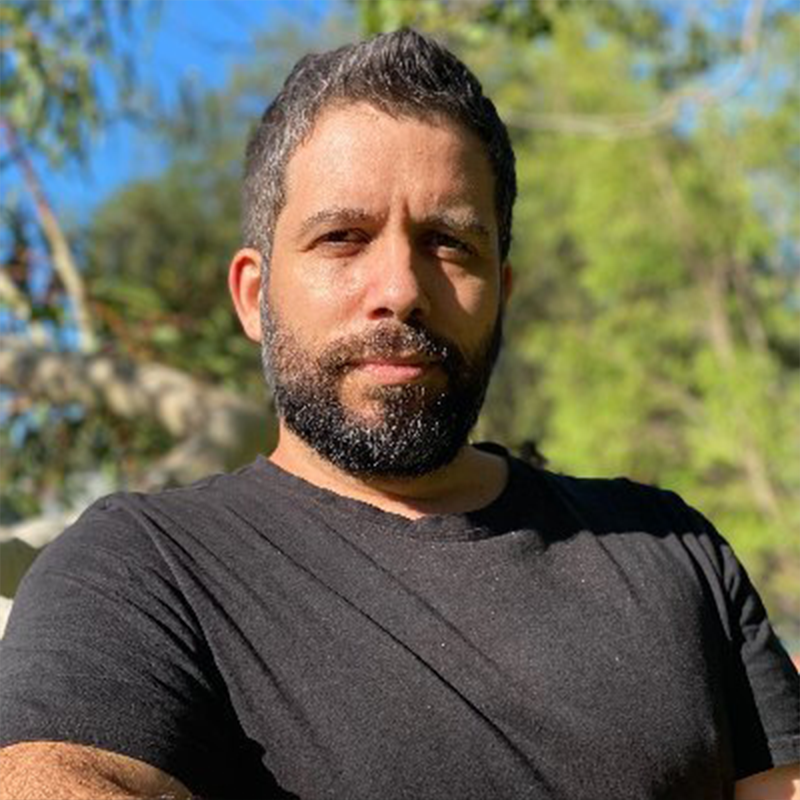
Appearing before the Commission are QIFVLS' Executive Director Legal Thelma Schwarz and Senior Policy Officer Kulumba Kiyingi. QIFVLS are represented by Josh Creamer as Counsel - an Indigenous barrister and former Path to Treaty Commissioner.
"When you look at the terms of reference, you'll see that the focus is really looking at reforming the residential care system, fixing a broken system and creating safer environments for children and the community, and reviewing current Queensland legislation about the protection of children," Ms Schwartz said.
During the first week of the Inquiry the Commission primarily heard evidence about the models of care utilised in the system, including residential care, foster care and kinship care.
Ms Schwartz noted: "We have heard devastating stories of the interactions between those who give their time as foster or kinship carers and the Department."
"Many witnesses have spoken about their recommendations about how the Department should proactively work with foster carers and kinship carers but also supporting, the Aboriginal and Torres Strait Islander Child Placement Principle and the ongoing connection of a child to kin, country and community," she said.
Week two of the Inquiry will focus on hearing evidence from peak bodies, including Aboriginal and Torres Strait Islander community-controlled organisations, and Aboriginal and Torres Strait Islander families.
"We're hopeful that the evidence that's put forward in that week highlights some of the systemic issues that we see, hear and experience, particularly that which is localised here in Far North Queensland impacting our children, our families and our communities" Ms Schwartz said.
"Our hope in terms of achievable outcomes is that the Commission actually can identify the real systemic barriers that we know exist and that we have been advocating for over many years, since the Royal Commission into Aboriginal Deaths in Custody report and the Carmody report to name a few reports".
QIFLVS' board member Christine Thomas will be amongst those to give evidence at the second week of Inquiry. Ms Thomas has worked in child safety and youth justice for over 25 years.
The Commission of Inquiry continues in Cairns on Monday, September 15.
The public hearing is available to view via live streaming online.



