




A koala population has been confirmed at Sugarloaf State Conservation Area, inland of Newcastle, following a discovery by Gamilaroi and Wiradjuri man Daryn McKenny.
Mr McKenny first recorded the presence of koalas in the area during the 2019-2020 summer bushfires using a trail camera.
He had not previously seen koalas in the area, despite growing up nearby.
After reporting the sighting to the University of Newcastle, researchers confirmed they were unaware of a koala population at Sugarloaf.
Mr McKenny then began independently collecting photographic and video evidence, frequently searching at night using a headlamp and cultural knowledge of the landscape.
"Western ecologists will tell you you look for white eyes," he told AAP.
"I don't look for white eyes, I look for tree stars - their eyes are bright - we'd see blinking stars in the trees, that's when I knew I was seeing a koala."
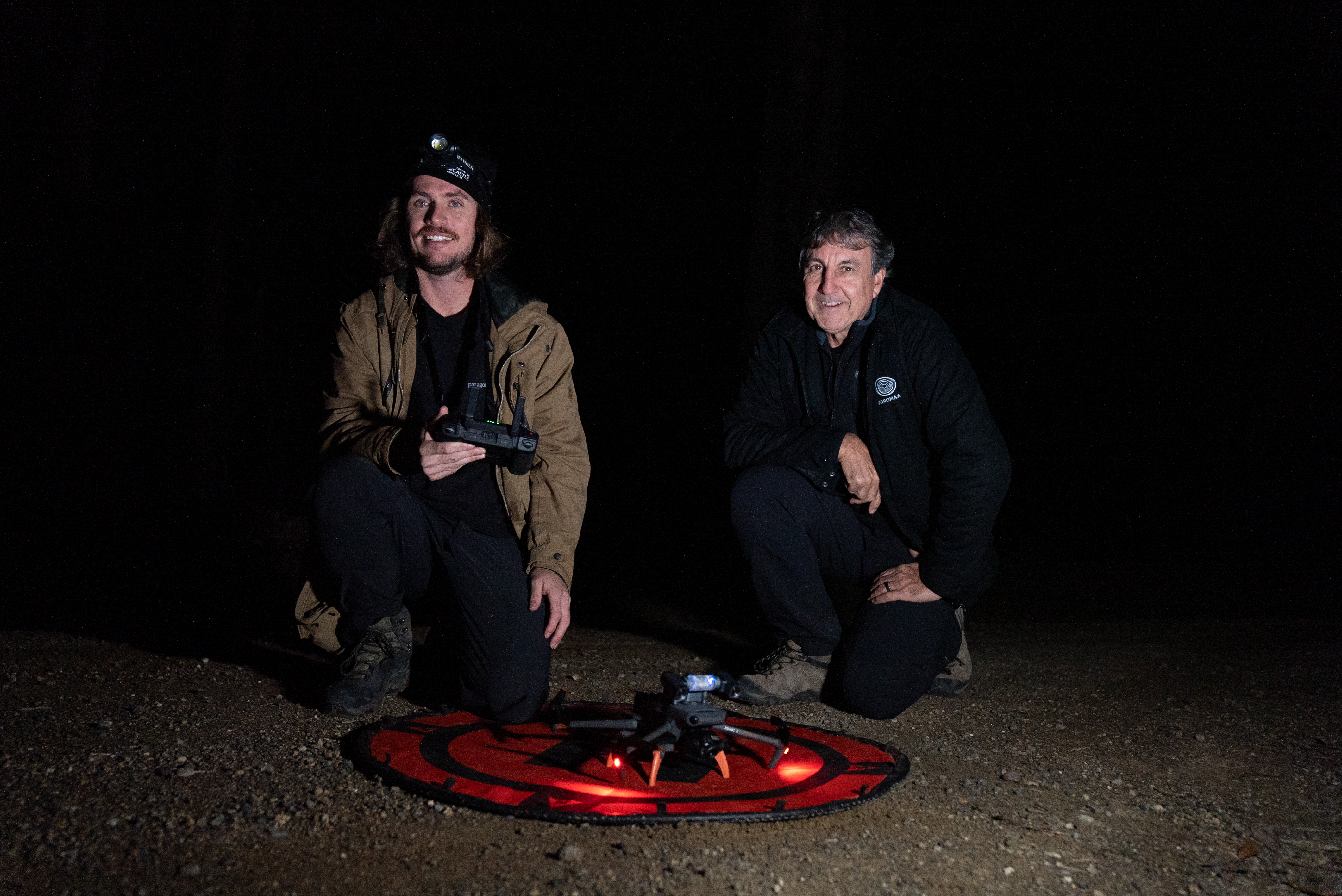
The University of Newcastle partnered with Mr McKenny to survey the area as part of a broader statewide koala review.
Using spotlighting and thermal drone imaging, researchers recorded more than 290 koalas at Sugarloaf.
Mr McKenny said the findings indicated not a small colony but "a city of koalas living on the fringe of an urban population".
Conservation scientist Dr Ryan Witt, who co-authored the study, said Mr McKenny's knowledge was instrumental.
"We were grateful to learn from him and share methods to find these cryptic animals," Dr Witt said.
The statewide survey estimated more than 4000 koalas across 67,300 hectares of bushland.
Maria National Park recorded the highest density, with 521 koalas across 3350 hectares.
Areas affected by the 2019–2020 bushfires had fewer koalas than unaffected national parks.
Lead researcher Ms Shelby Ryan said the data was important for understanding both koala presence and absence.
"That can help inform us about current koala populations and their threats and their likelihood of decline or localised extinction," Ms Ryan said.



