


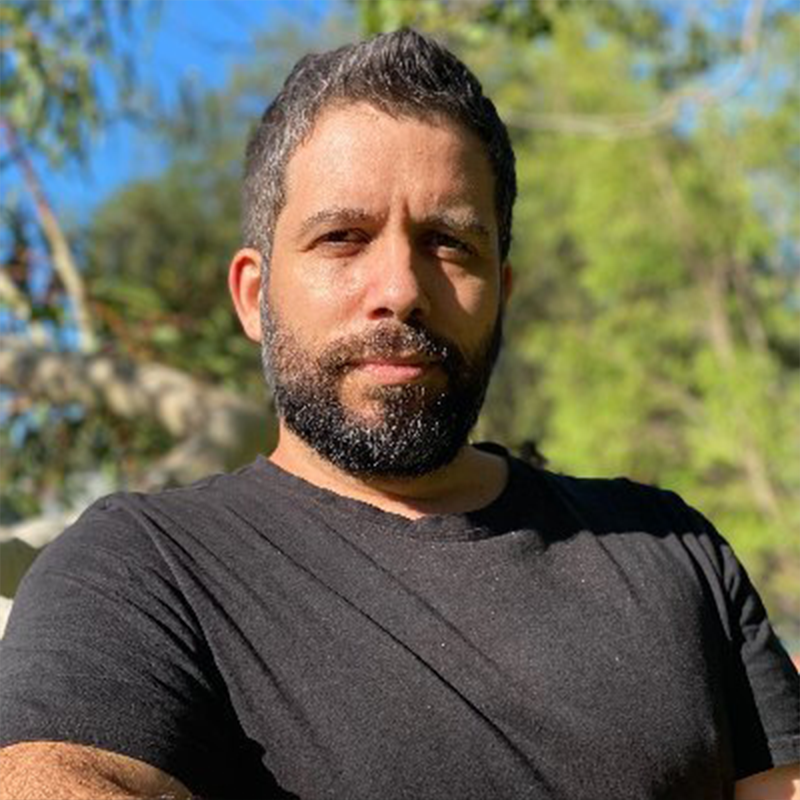

The 2023 federal budget missed the opportunity to tackle the funding crisis engulfing Aboriginal Legal Services across the country, says the former executive officer of the national peak body for Indigenous legal organisations.
Senior lawyer Jamie McConnachie, formerly the executive officer of NATSILS, told National Indigenous Times the legal assistance sector is a "vital component" in ensuring that vulnerable and disadvantaged members of the community have an opportunity to be assisted in navigating the complexity of the legal system.
"In order to sustain this it must be corroborated with funding to reflect increasing service demands and to address the unmet need which creates service delivery gaps. There is proven cost-benefit savings that legal aid services provide to the community and this stems up to around $600 million," she said.
"When the government does not invest in a meaningful way it is inevitably the legal aid sector that continue to absorb these pressures as they address the immediate crisis.
"This has a significant consequence on staffing and leadership with these organisations and it is the community that feel this the most on a day in court or in pre-trial processes."
A recent online meeting heard from many workers in the sector which is facing service freezes with grave consequences for communities nationwide.
Ms McConnachie, who will soon take up a role with a key justice organisation in Victoria, said Aboriginal Legal Services "have at times had to make the tough decision to put service freezes in place due to unsustainable surges in demand".
"I have worked at an Aboriginal Legal Service during a service freeze and it was extremely challenging to advise community that I was unable to take on their future matters," she said.
"This is compounded when you live and work in the community you work for as you are confronted with this conundrum at a grassroots level. Only a solicitor who has had to labour though this sort of conversation can truly appreciate this frustration and only the client can understand how frustrating it is as they will now be taking another step towards finding the assistance they need."
Ms McConnachie said the gap between demand and resources is particularly severe in remote and regional areas.
"What is frightful is that on one hand there is a demand for your service and on the other, an inability to sustain it. Again, community is the collateral," she said.
"It might be one day in court for someone but sometimes it is the most important day in their life, and as a grassroots lawyer I found it challenging to contend with the position I have often been put in due to those issues which seem to be ongoing."
Ms McConnachie said she was concerned that "gesture politics" is providing a smoke screen while not delivering necessary change.
"What is being offered under the guise of 'justice reinvestment' and the advancement of Aboriginal people is not followed up by proper consultation, adequate funding, law reform and a recognition of our sovereignty," she said.
"The decision makers in government and often those working with government are not reflective of community and do not possess a lived experience in living in community or working with communities. Therefore, the consultation processes that are carried out can be quite poor. That is subsequently reflected at the grassroots level, at which I have worked."



