




Members of the Tasmanian Aboriginal community are at odds after the Tasmanian government decided against pursuing changes to the state's Aboriginal Lands Act 1995.
Legislative amendments to the Act, which had been under review since 2018, were meant to be introduced to parliament earlier this year however this never occurred, with the government this week confirming the Act will not progress until it can "secure consensus" among Tasmanian Aboriginal people and across parliament.
The proposed bill's shelving comes after a consultation paper of proposed changes was released in 2022, followed by draft legislation last year.
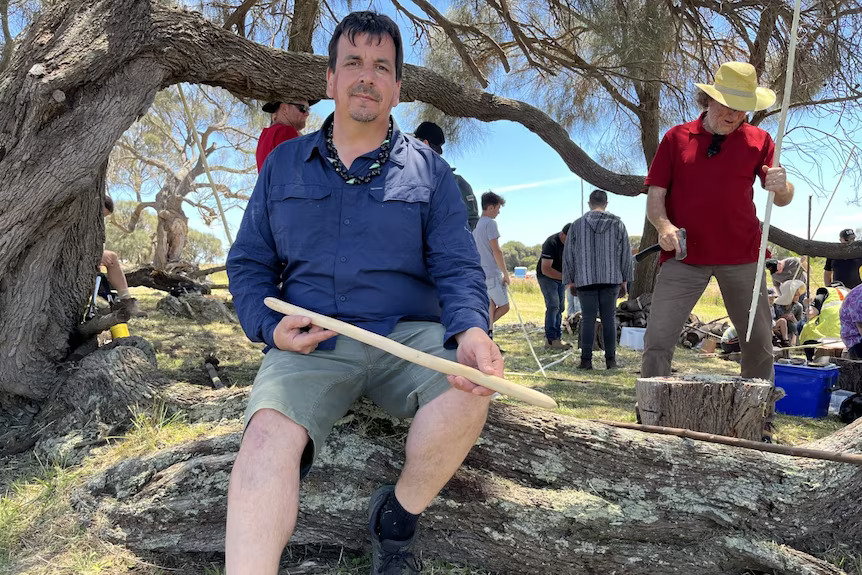
Some members of the Tasmanian Aboriginal community were eager to see amendments to the Act implemented, including Tasmanian Regional Aboriginal Communities Alliance (TRACA) chair, Nick Cameron.
He said TRACA, which represents seven of the state's Aboriginal corporations, have been involved in years of government consultation and are in support of amendments to the "unhelpful" Act.
"The member groups in those consultations made it really clear that they believe that the current legislation is unhelpful in ensuring that there's equality and power balance in management of Aboriginal land," Mr Cameron told National Indigenous Times.
"There is a reluctance from the broader Aboriginal community to be involved in the Land Council elections because of that power imbalance."
Mr Cameron said the proposed legislation would have created a "levelling up" of the so-called power imbalance, which he says would have given the broader Tasmanian Aboriginal community confidence to participate in both the election process and also nominate to be on the Council.
"At the moment there's a power imbalance whereby the Land Council works directly with only one group of people, and the Land Council itself (is) stacked heavily with the same members of that group," Mr Cameron said.
He said proposed changes would have addressed concerns of the Land Council being "almost like a hidden group".
"There's no accountability on how the group works, other than the fact that it has elected members," Mr Cameron said.
"However when it's stacked, again, there's no accountability as no visibility in their decision making.
"So we were hoping that the legislation would give more accountability of the Land Council to all groups, not just one group."
The Aboriginal Land Council of Tasmania (ALCT), which has managed the return of Aboriginal land in Tasmania since 1995, have always been opposed to proposed changes.
ALCT manager Rebecca Digney told National Indigenous Times a number of the reforms went against the interests of the Tasmanian Aboriginal community.
"The government (was) stepping into the realm of being the decision maker over Aboriginal land," Ms Digney said.
"It's our position that when land is returned to the Aboriginal community it is open, or should be open for the Aboriginal community to be the decision makers around who manages the land and how it is managed."
Ms Digney said amendments to the Act would have also opened up ALCT elections to people that would otherwise not qualify to participate.
"The Liberal government had their resetting the relationship agenda, which removed the onus of those who wish to access Aboriginal services or participate in processes set up for Aboriginal people to provide any documentation of their Aboriginal ancestry," Ms Digney said.
"From the introduction of that government policy, there was a marked increase in the number of people who are identifying as being Aboriginal people.
"And obviously, when it comes to land and land return, it's our position that land should be returned to those whose ancestors were dispossessed of the land in the first place."
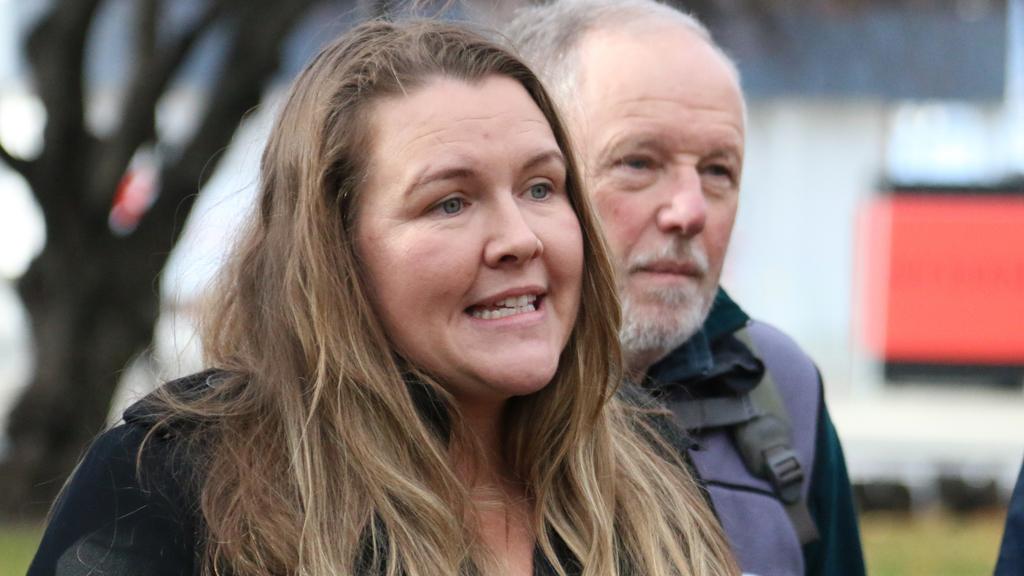
Ms Digney said she believed the policy lead to people falsely identifying as being of Tasmanian Aboriginal descent.
"There were certainly people who were identifying as Aboriginal that wouldn't be accepted by the Aboriginal community as being Aboriginal, and some of those people wouldn't have Aboriginal ancestry to be able to back up their claim."
Ms Digney said from the ALCT's perspective the current Act is "perfectly operational".
"We've seen significant parcels with land returned under that Act since the first lot of parcels came through in 1995 then again in 1999 and again in 2005," she said.
"We'd just like to see the government be be motivated to return more land.
"The Act works in its current formation, there's no question about that. It's just a matter of the government having the political will to return land."
In announcing the bill's shelving, a a government spokesperson told the ABC the Tasmanian government's priority "is to close the gap for all Tasmanian Aboriginal people".
"The Aboriginal Lands Amendment Bill will not progress at this stage as we seek to gain consensus across the parliament and Aboriginal people," the spokesperson said, as reported by the ABC.
"There is continued and significant differences of opinion and as a result the bill will not be introduced unless we can secure consensus across the parliament and amongst Tasmanian Aboriginal people."
Mr Cameron said the proposed legislation would have also promoted regional community involvement in land returns.
"The new legislation would allow regional groups to have more opportunity to be involved directly in return of Aboriginal land," he said.
"That means that if there's a private group or individual who wanted to give land back to the Aboriginal community, they can work directly with the regional organisation in that locality.
"The title of that land being deemed as Aboriginal identified land would still sit with the Land Council, as it should, there was no disagreement with that.
"But the fact that the Land Council would have to work with regional groups in how land is managed, that was really important. That was one of the strongest things that the TRACA member groups wanted."
Tasmanian Greens leader Rosalie Woodruff welcomed the decision, calling for Tasmanian Minister for Aboriginal Affairs, Roger Jaensch, to prioritise truth-telling and progress towards a treaty in Tasmania.
"The Aboriginal Affairs Minister has damaged his relationship with many people in the Aboriginal community because of the way he mishandled that legislation," she said, via the ABC.
"What people really want is for him to focus on the core priority of protecting Aboriginal heritage with legislation and actually returning lands."



