


Madeina David, 23, recalls fondly her days following her father out on his boat crayfishing to make a living on the remote Iama Island in the Torres Strait.
Like everyone on the islands, David's life has always been intrinsically linked to the ocean for food, for fun and for culture.
It is that connection which made a career in conserving the islands' critical seagrass meadow alluring to David.
"Our culture really depends on the sea - it is our livelihood - dugongs and turtles are culturally significant," David said.
"Life living on the island, everything is expensive, so most of the families go out fishing and they depend on the sea for the food source.
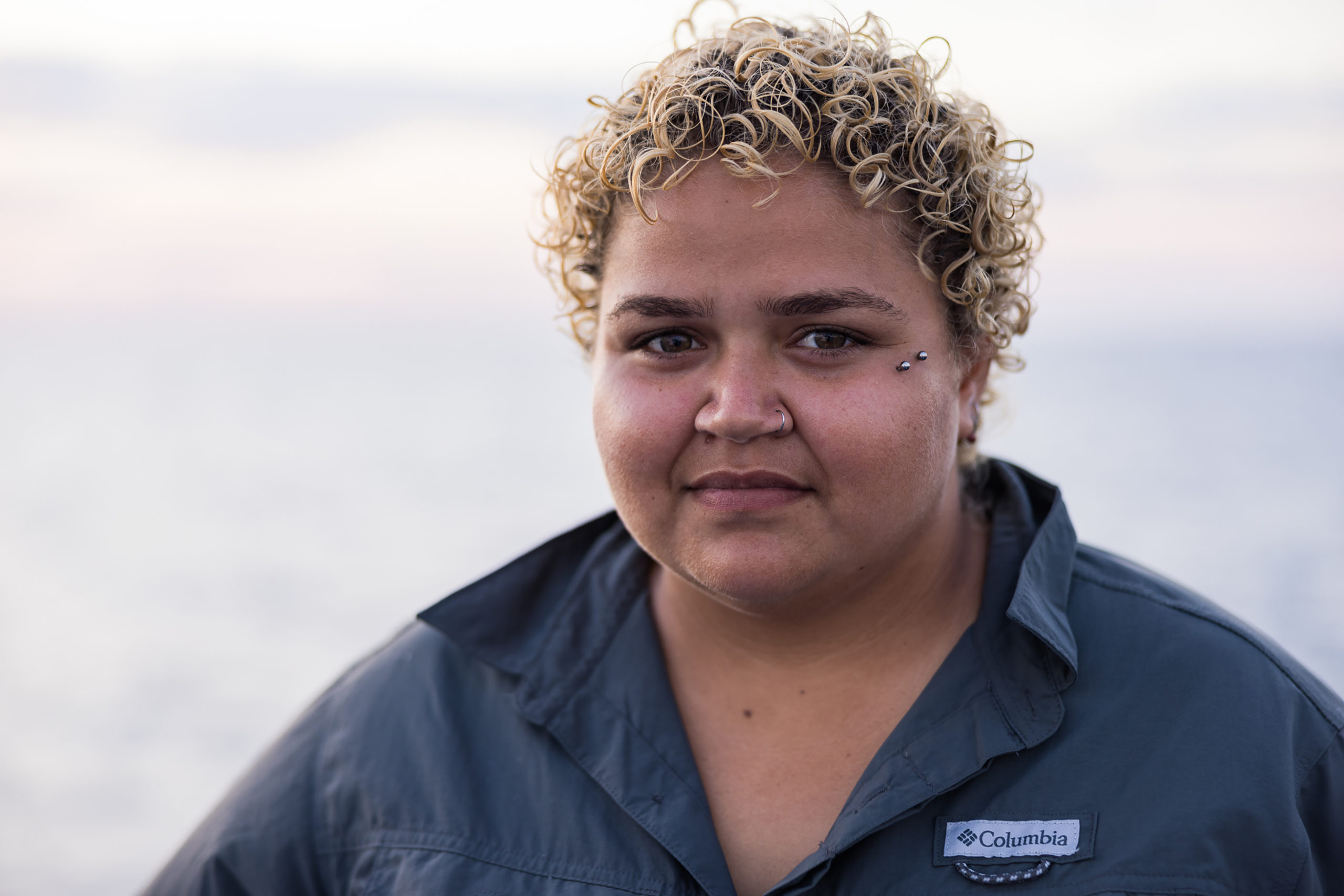 Madeina David. Harriet Spark/Grumpy Turtle Creative.
"I saw how dependent we were on the sea and I love being by the sea and I wanted to protect that for future generations."
That drive saw David leave the islands to study marine biology at Townsville's James Cook University, with a view to playing a leading role in environmental management by the time she reached 50.
It was a move David described as a huge learning curve. She had left Iama aged 11 to attend boarding school on Thursday Island, but even there lessons such as chemistry weren't available.
There was also the culture shock of living in a big regional city - but David was driven by her passion for the sea surrounding her island home, and the meadows which sustain the life within it.
The health of Australia's seagrass meadows and, in turn, the animals which depend on those meadows, is closely linked to climate change.
In the northern waters rising sea levels and temperatures are a critical concern.
There are plenty of other factors too - drifting sands, herbivores and changing winds are among the myriad factors impacting these environments.
Reports of seagrass stress have surfaced from all sides of the country in recent years, but in the Torres Strait there is hope.
James Cook University TropWater senior researcher Alex Carter has been studying the "seagrass capital of Australia" for the past decade.
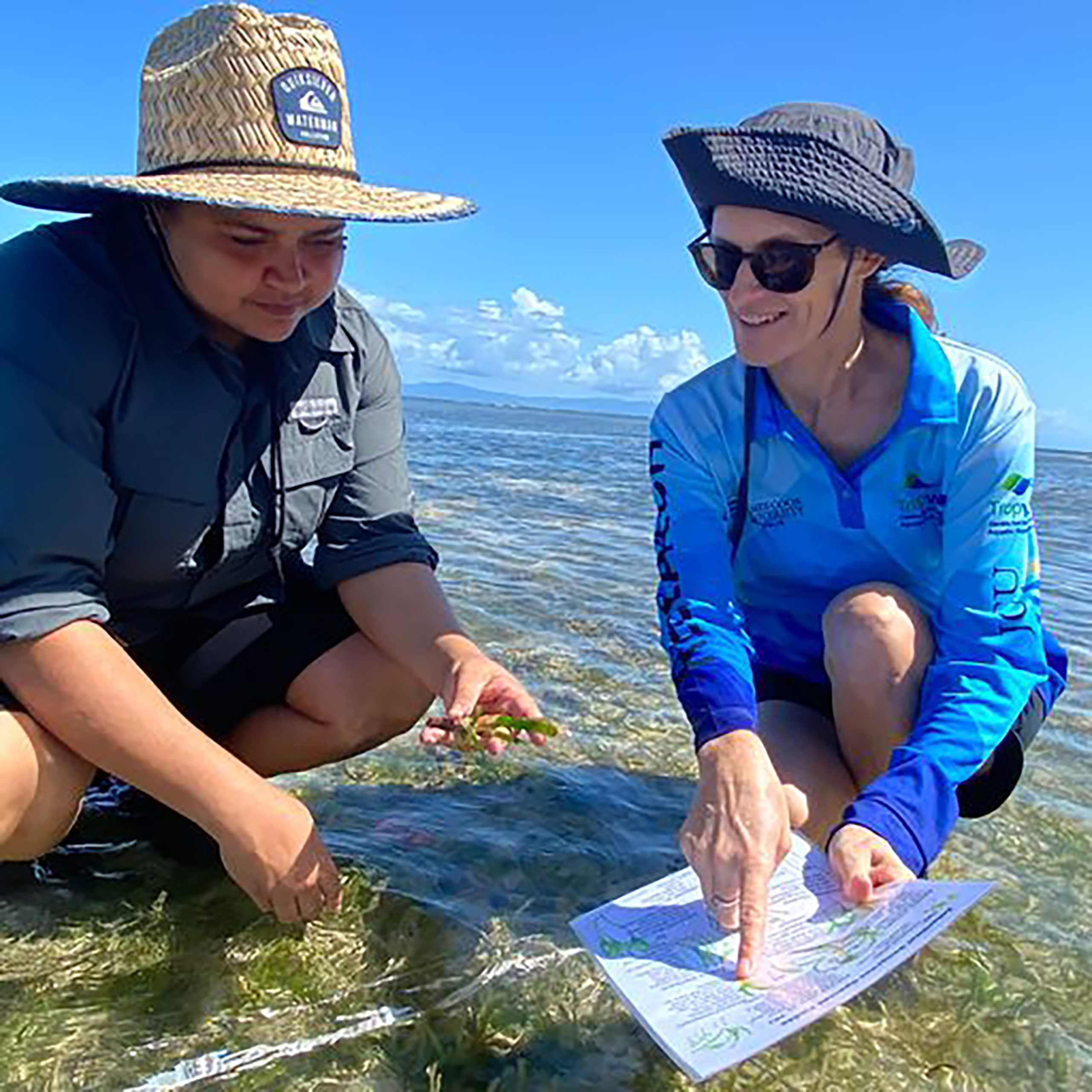 Madeina David and JCU TropWater's Alex Carter. Picture: Torres Strait Regional Authority.
"The seagrass is largely in really good condition," Carter said.
"The last few years we've been able to do some really extensive mapping of areas that are included in the monitoring network, and we've found huge areas of seagrass that previously weren't mapped.
"There is a decline in western Torres Strait that we've been monitoring over the last few years that the most recent monitoring data indicates that that is starting to recover and come back."
TropWater's understanding of the seagrass comes from a 15-year project bringing scientists and Traditional Owners together to share knowledge about the region.
Rangers are tasked with measuring blocks of shallow seagrass by walking off the beach and monitoring deepwater meadows with drop cameras from boats.
Islanders' knowledge of historic weather patterns, herbivore populations and fishery stocks has also proven crucial to understanding the ever-changing Torres Strait ecosystems.
"We only get out there once a year as scientists to some of these locations," Carter said.
"We might report... seagrass has declined by 30 per cent and put a number on it, but also there's that context of are the dugong looking healthy this year, are there large numbers of turtle in an area... how productive has the rock lobster fishery been,
"There's such a huge amount of implications for seagrass health that we don't capture in our reporting."
This research is where David comes in. Aged 23, the Iama resident is back home putting her degree to use with the ranger program.
After gaining a Torres Strait Island Regional Authority cadetship she then leapt at an opportunity to join the authority's land and sea management unit as part of the sea team.
Today, on top of the practical work, she plays an important role helping fellow Islanders and scientists understand each other to help build relationships, a critical role in the partnership.
"My goal was when I was in high school that I'd be in environmental management, and here I am," David said.
"I started off in 2020 and that is when they first noticed some major declines in the western cluster of the Torres Straits.
"We had to really find out what was the cause of the declines and I guess actions on how we can manage this into the future, especially with the changing climate, because we are about to see some declines."
Discovery of those declines led to a triumph of the program - the use of traditional knowledge to help identify changes in a seagrass habitat.
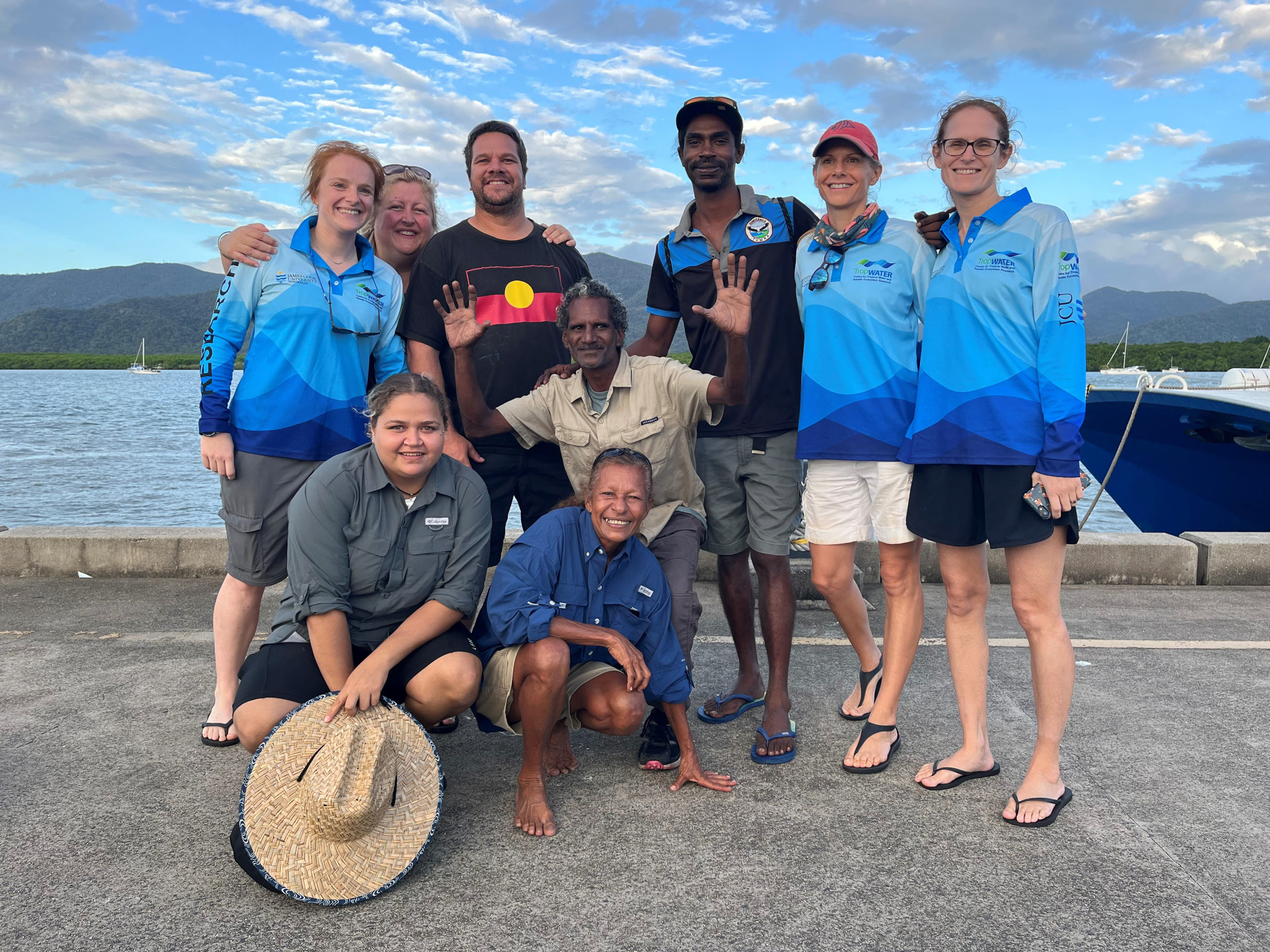 Stakeholders on the seagrass monitoring project. Picture: Torres Strait Regional Authority.
"I remember my manager having a conversation with the researchers from TropWater JCU about what could be the potential causes of the declines," David said.
"My manager took that to... the (prescribed body corporate) chair at Mulgrave Island where the declines are happening.
"He suggested that we've been getting different wind changes... and he saw that there has been an increase of herbivores - dugongs and turtles - around the islands.
"So it was traditional knowledge working alongside scientists and western science to come up with the explanation."
Bringing these two worlds together is already bringing benefits for island residents, for whom skilled career opportunities have been limited to date.
David is excited about what is to come - seeing more islander residents gaining the skills to be scientists in their own right as well, as she has done.
"I have the traditional knowledge of growing up on the island I've seen and I know what goes on day-to-day from what I've seen from growing up," David said.
"But then also I have the scientific knowledge or like a deeper understanding and I see the connections between the traditional knowledge and the scientific knowledge."
For all the progress in conservation and career, there's one trait to the job which stands out most to David.
"I wouldn't be doing this if it wasn't fun," she said.
And for Carter the sharing of knowledge between scientists and Traditional Owners has sparked hope for the important ecosystem.
"We call Torres Strait the seagrass capital of the world for good reason," she said.
"It's looking good."



