



Marking three months since the federal government introduced its social media ban for children under 16, the WA Commissioner for Children and Young People released insights on the issue from an online consultation of more than 100 young Western Australians on Tuesday.
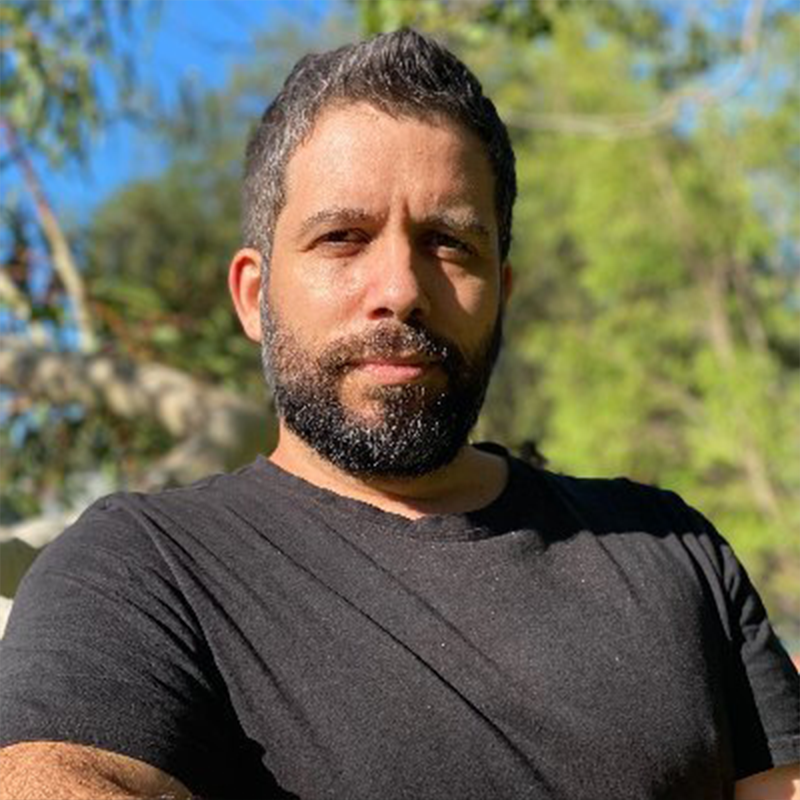
Dr Jacqueline McGowan-Jones, an Arrente/Warramungu woman and the first Indigenous person to serve as Commissioner for Children and Young People in Western Australia, said young people understand both the risks and the benefits of social media.
"They want to be safe online but they also want to stay connected, supported and heard," she said.
"Many young people told us they felt decisions were made about them, without them. This report makes clear they are capable of thoughtful, balanced and practical contributions to policy discussions."
Dr McGowan-Jones said that for some young people, particularly those in regional and remote communities and those who identify as LGBTIQA+, online spaces are "not simply entertainment, they are places of belonging, identity and support and the ban places them at risk of losing their support and information networks".
"If we are serious about protecting children and young people, we must involve them in designing the solutions to these issues," she said.
'What Young People Said: Youth consultation on the social media ban' summarises feedback from 120 young people aged nine to 17 who responded to the Commissioner's DigiMe voices, an online platform where young people can create an avatar and answer a topical question.
Over a four-month period from October 2025 to January 2026, young people expressed complex and sometimes conflicting views about the ban. While many acknowledged the intent to improve online safety, the majority opposed the ban in its current form.
Key findings included: widespread concern about losing connection with friends and family; strong feedback that the age threshold of 16 is too high, with many suggesting 13 or 14; significant concerns from regional and remote young people about increased isolation; and serious impacts for LGBTIQA+ young people who rely on online communities for support.
Young people surveyed also expressed concerns about privacy and data security linked to age-verification processes, and called for stronger digital literacy education and greater platform accountability.
The publication provides recommendations informed directly by young people's feedback, including strengthening youth participation in digital decision-making and exploring proportionate, graduated approaches rather than blanket restrictions.



