



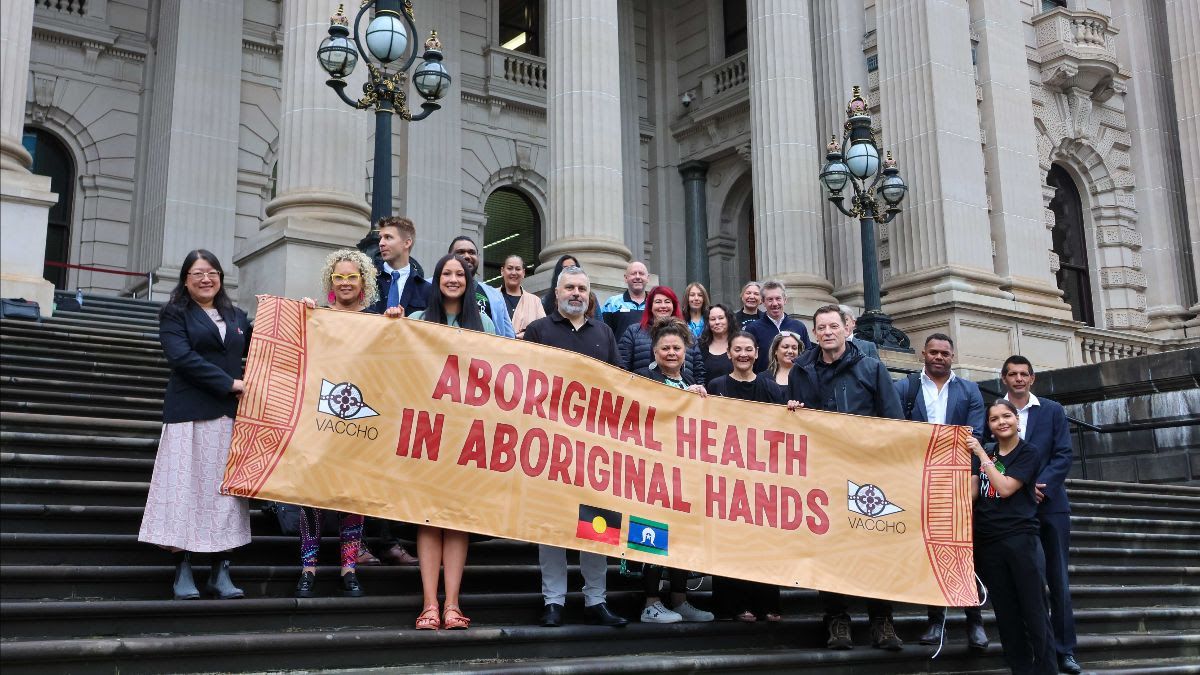
New programs to support Aboriginal health organisations' provision of culturally safe healthcare to Indigenous children living in care have been announced by the Victorian government.
$5.2 million has been earmarked for three new Aboriginal-led pilot programs to be rolled out by ACCHOs (Aboriginal Community-Controlled Health Organisations) from February 2025, with the government noting they were about empowering Indigenous-led teams to provide and coordinate healthcare for children in a culturally safe way.
"We know when we listen to Aboriginal Victorians, we get the best health outcomes," Health Minister Mary-Anne Thomas said.
"That's why we're supporting ACCHOs to deliver culturally safe services for Aboriginal children, ensuring they get the care they need."
Indigenous-led organisations have long called for self-determined responses in OOHC and healthcare. The government said Indigenous-led care model sees children feel comfortable, whilst identifying health issues earlier and allowing children to get the treatment they require.
"We are backing incredible Aboriginal health organisations to do their important work of ensuring Aboriginal children get the culturally safe care they deserve," First Peoples' Minister Natalie Hutchins said.
The Victorian Aboriginal Community Controlled Health Organisation (VACCHO) has been given the role of designing and delivering healthcare models to respond to critical areas of need regarding the health and wellbeing outcomes for Aboriginal children.
VACCHO chief executive, Dr Jill Gallagher, told National Indigenous Times: "We welcome this investment from the Government as we know that Aboriginal-led and localised approaches deliver the best results for Community."
"By placing Aboriginal health in Aboriginal hands, we will create vibrant, self-determining Communities and our Boorais (children) will grow up to shape the future for Aboriginal and Torres Strait Islander people in Victoria."
The Mungabareena Aboriginal Corporation and Albury Wodonga Aboriginal Health Service In north east Victoria will work together in a regional partnership to coordinate culturally safe healthcare for Aboriginal children.
The aim of the partnership is improving access to health screenings for Indigenous children in the region, facilitated with the help of Aboriginal health navigators at Mungabareena.
In Naarm, the Victorian Aboriginal Health Service (VAHS) will support Aboriginal children entering care by connecting kids to health assessments at VAHS' clinics. This will help to identify issues early and deliver much-needed treatments.
There will also be the establishment of a professional network to support Indigenous kinship carers across the state to give them the resources, support, and guidance they need to support children in OOHC.
VACCHO will provide support to ensure each program upholds Aboriginal ways of knowing, being and doing by helping the organisations self-determine what the best practice looks like when it comes to implementing healthcare for children.
The initiatives form part of a broader $37.7 million Labor Government investment to deliver health screening, assessment and planning for all children who enter care in Victoria—known as the Pathway to Good Health program.
"These services will help to ensure we are creating a healthcare system where Aboriginal children in care have equitable access to healthcare that is culturally safe," Children's Minister, Lizzie Blandthorn, said.
"Keeping them healthy now and into their adult life."
The state has faced criticism for the significant number of Indigenous children in OOHC, which is the highest in the country.
Indigenous children and young people in Victoria were removed and placed into care at a rate of 102.9 per 1,000 Aboriginal and Torres Strait Islander children — 22.5 times that of non-Indigenous children.
The Department of Families, Fairness and Housing (DFFH) told National Indigenous Times in August last year that Victoria has the highest rate of Indigenous children being placed in kinship care in the country—80 per cent of children are placed with Aboriginal relatives, non-Aboriginal relatives, or with an Aboriginal carer, compared to the national average of 63.4 per cent.



