




Across northern Australia, Indigenous ranger groups are on the front line of one of the most urgent environmental challenges of our time: the rapid spread of invasive species. These weeds, feral animals and biosecurity threats are not just harming ecosystems. They are damaging cultural sites, threatening native species, and putting immense pressure on the Country that sustains communities spiritually, culturally and physically.
From the Kimberley and the Top End to the rainforests of Cape York, rangers see the impact every day. Feral pigs uproot entire wetlands, destroy bush foods and waterholes, and in some parts of western Cape York have wiped out 100 per cent of turtle nests. Weeds like gamba grass turn Country into fuel for dangerous late season fires. Feral herbivores trample sacred sites and destabilise fragile soils.
The scale of this work is vast. Millions of hectares of remote Country often accessible only by dirt tracks, boats or aircraft. Yet despite the enormity of the challenge, Indigenous ranger groups consistently deliver strong outcomes through deep cultural knowledge, scientific training and a connection to Country that spans thousands of generations.
Now, that work will be strengthened even further.
The Australian government has announced a significant $2 million extension to the Protecting Country Against Invasive Species Program, delivered by the North Australian Indigenous Land and Sea Management Alliance, also known as NAILSMA. The program already works with more than 40 Indigenous ranger groups across Western Australia, the Northern Territory and Queensland. It provides training, specialist skills, equipment and opportunities to collaborate across regions.
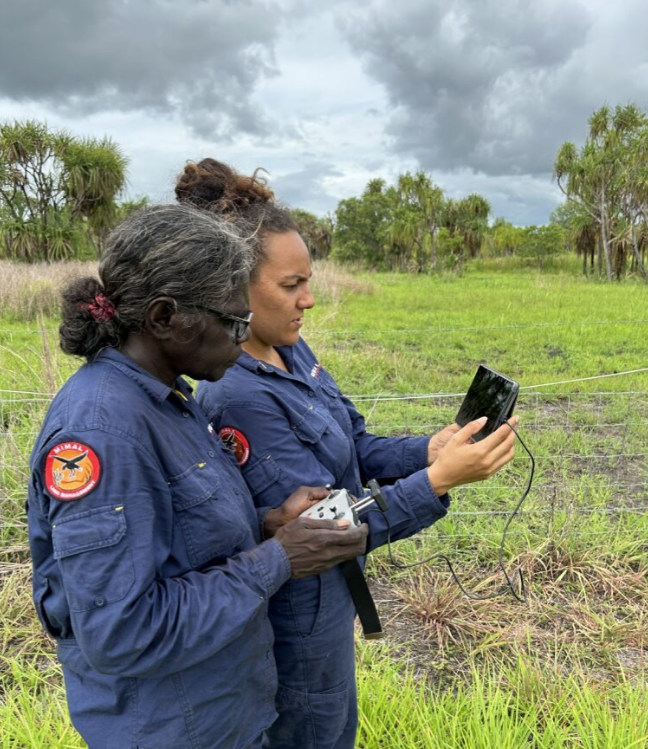
The extension ensures that the momentum continues and that rangers have the resources they need to stay ahead of invasive threats.
For Barry Hunter, NAILSMA chief executive, the announcement represents recognition of the leadership Indigenous people bring to caring for Country.
"For years, Indigenous communities have witnessed the damage caused by invasive species to plants, animals, and important cultural places," he said.
"This funding recognises Indigenous rangers' deep knowledge and leadership in protecting Country. With continued investment and collaboration, Indigenous rangers can lead the response to this devastating problem and achieve major on the ground outcomes."
The Protecting Country Against Invasive Species Program has been a game changer for many ranger teams. Its focus on building capacity has helped strengthen skills in feral animal management, weed control, monitoring and mapping, biosecurity responses and data collection. Rangers have also been able to purchase equipment that makes invasive species management safer and more efficient, including drones, traps, vehicles, tools and protective gear.
One of the most profound impacts has been the way the program brings ranger groups together.
Mimal Land Management Deputy chief executive Kelly Retief said the program had lifted both capability and collaboration across Arnhem Land and beyond.
"We now have rangers in roles that focus specifically on leading invasive species control. The program has also enabled greater collaboration across the Arnhem Land region, fostering a landscape scale approach to invasive species, leading to improved regional outcomes."
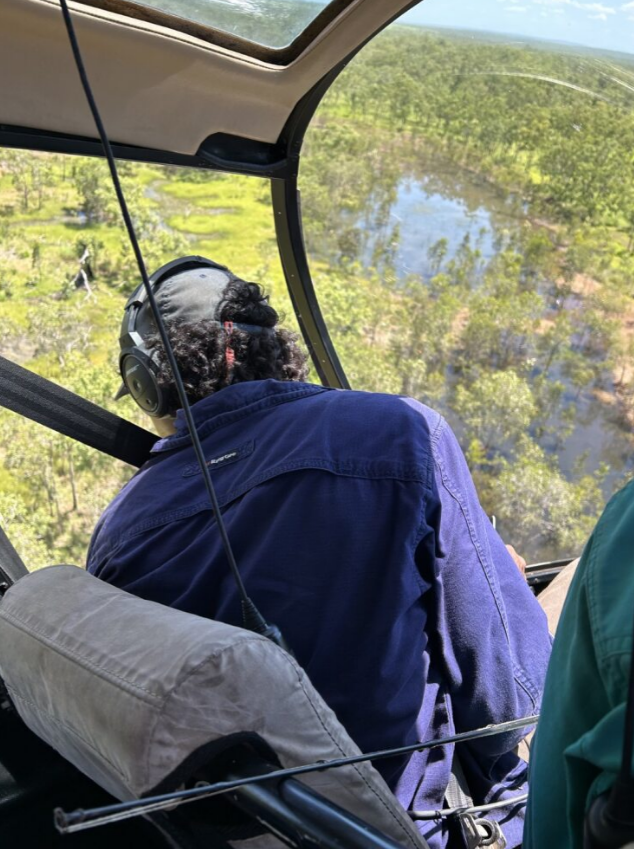
This landscape scale approach is essential. Invasive species do not respect property boundaries or community borders. They move across plains, along river systems, through wetlands and across coastlines. Tackling them requires cooperation, coordination and shared responsibility. The program has helped create exactly that, a network of Indigenous land and sea managers working together, combining cultural knowledge with contemporary science to deliver real results.
The new funding extension will continue to support on ground monitoring and management, help ranger groups establish specialist invasive species roles within their teams, and strengthen Indigenous led environmental governance across the north.
For the communities these rangers come from, this matters deeply. Healthy Country means healthier people. When ecosystems are protected, so are cultural stories, food sources, sacred places and the intergenerational knowledge that connects people to land and sea.



