




Torres Strait rangers are fighting to defend some of Australia's most remote and pristine islands in Far North Queensland.
A live cane toad discovered on Saibai Island in the Torres Strait last month marked the furthest north the pest has marched in Australia; sparking alarm and urgent action by local rangers.
While not a first for the region as a whole, it is the first time a cane toad has been found on the outer island of Saibai. It is suspected the toad hopped aboard a vessel from the north or south and survived the sea voyage undetected.
The Torres Strait Regional Authority took action with its Mura Buway Rangers spotting the hitchhiking pest at the local wharf and capturing it to stop the spread.
The TSRA described the discovery as "a troubling and unwanted milestone for the remote region ahead of wet season".
While there are cane toads on inner islands, it is one of the very rare incidents the notorious invasive, introduced species has reached any of the 14 outer islands of the Torres Strait.
TSRA Mura Buway Ranger David Garama said teams had been working day and night since the toad was caught on 12 September.
"TSRA Rangers jumped straight into action by alerting community, running night patrols and stepping up cane toad monitoring beyond our regular schedule," he said.
"Our islands are precious and we know once cane toads impact our environment, the damage can't be undone."
A recent water sample has also detected cane toads on Ugar Island. Further tests are underway to confirm the result while rangers carry out night surveyance to check for adult toads and any signs of breeding.
There are concerns the pest may be silently spreading across the culturally and environmentally rich region.
Culturally significant species such as the crocodile, frilled-neck lizard, goanna (Australian varanids), great egret and Papuan black snake are feared to be among the most at risk if cane toads spread to the islands.
TSRA Environmental Management Program Manager Billie Roberts said rangers were using a growing toolkit of scientific techniques, including eDNA kits to get on the front foot in the fight.
Dr Roberts explained that eDNA sampling has been used in the Torres Strait for nearly a decade and has become "a valuable tool for our rangers in the early detection of invasive species like cane toads and invasive fish (Snakehead)".
"We're also working closely with Biosecurity Queensland and local councils to explore strategies beyond trapping and night surveillance – looking at how we can respond quickly and prevent cane toads from establishing in new areas," she said.
Cane toads were first officially recorded on the inner islands of the Torres Strait in the 2000s, but are yet to establish themselves on the pristine outer islands.
TSRA Chairperson and former biosecurity officer George Nona said an immediate, joint response was needed from the mainland to the islands.
"We must stop cane toads reaching the outer islands of the Torres Strait before it is too late," Mr Nona said.
"This is a genuine call to action. Cane toads could devastate our island communities, wipe out native species and threaten our culture and way of life.
"These uninvited guests can hitch a ride in dinghies, hide in workboots and jump on commercial ships transporting goods including building material.
"We need everyone travelling between the mainland and the Torres Strait including locals, tourists, tradies and transport companies to check for cane toads."
Mr Nona said island communities were also key in the battle against the introduced pest.
"Our strength is that communities and rangers are the eyes and ears of Zenadth Kes (Torres Strait)," he said.
"I urge yumpla (everyone) to keep an eye out and report any cane toad sightings to TSRA Rangers, Biosecurity Queensland or local council straight away.
"Please help keep our beautiful islands cane toad-free."
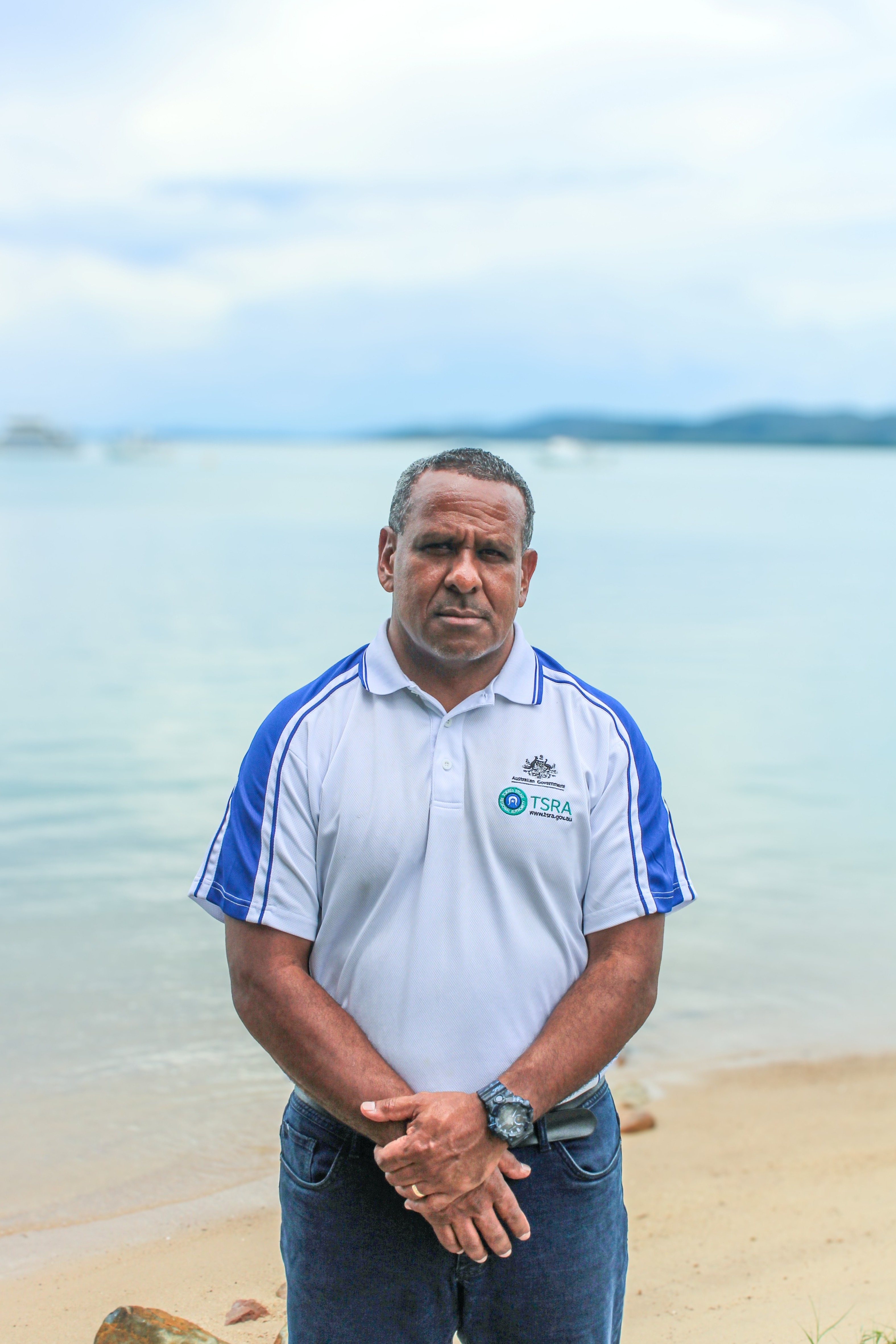
The TSRA has urged anyone who sees a cane toad to report it to the local rangers, local council or Biosecurity Queensland.
"For identification, community members can take a photo or contain cane toads in bucket or container for collection – if safe to do so – and should wear gloves, glasses and long sleeves," the Authority said on Tuesday.
The Torres Strait outer islands are among few Queensland locations that are still cane toad-free.
TSRA Rangers use eDNA kits to test bodies of water for the pests and collect genetic material such as skin cells, faeces and bodily fluids left behind by animals. This is then lab-processed by scientists on the mainland to determine if cane toads are present.
The toads cannot reach the islands unassisted, instead hiding in boats, cargo and vessels as people travel from the mainland or PNG, where cane toad populations are established.
Cane toads can harm local wildlife including fish, reptiles and birds if swallowed. This poses an immense threat to the cultural ecosystems and ways of life for Torres Strait Islander communities. They can lay up to 30,000 eggs at a time and even tiny tadpoles can carry enough toxins to harm water and shore birds feeding in freshwater wetlands.
Cane toads are not only toxic to their predators, but are also aggressive competitors, often displacing native fauna species from their preferred habitat.
More information is available online at www.tsra.gov.au.



