



Rugby league will return to Darwin's Richardson Park this NAIDOC Week, with the Deadly Cup Rugby League Carnival set to once again bring together thousands of Territorians in a powerful celebration of culture, community and connection.
Delivered by the Deadly Vision Centre, the Deadly Cup has grown into one of the Northern Territory's largest NAIDOC Week events, attracting more than 3,000 community members each year. What began as a grassroots, community led initiative has evolved into a major platform for health promotion, youth engagement and cultural pride.

At its core, the Deadly Cup uses rugby league as a vehicle to connect Aboriginal and Torres Strait Islander people with vital health and community services in a culturally safe and accessible environment.
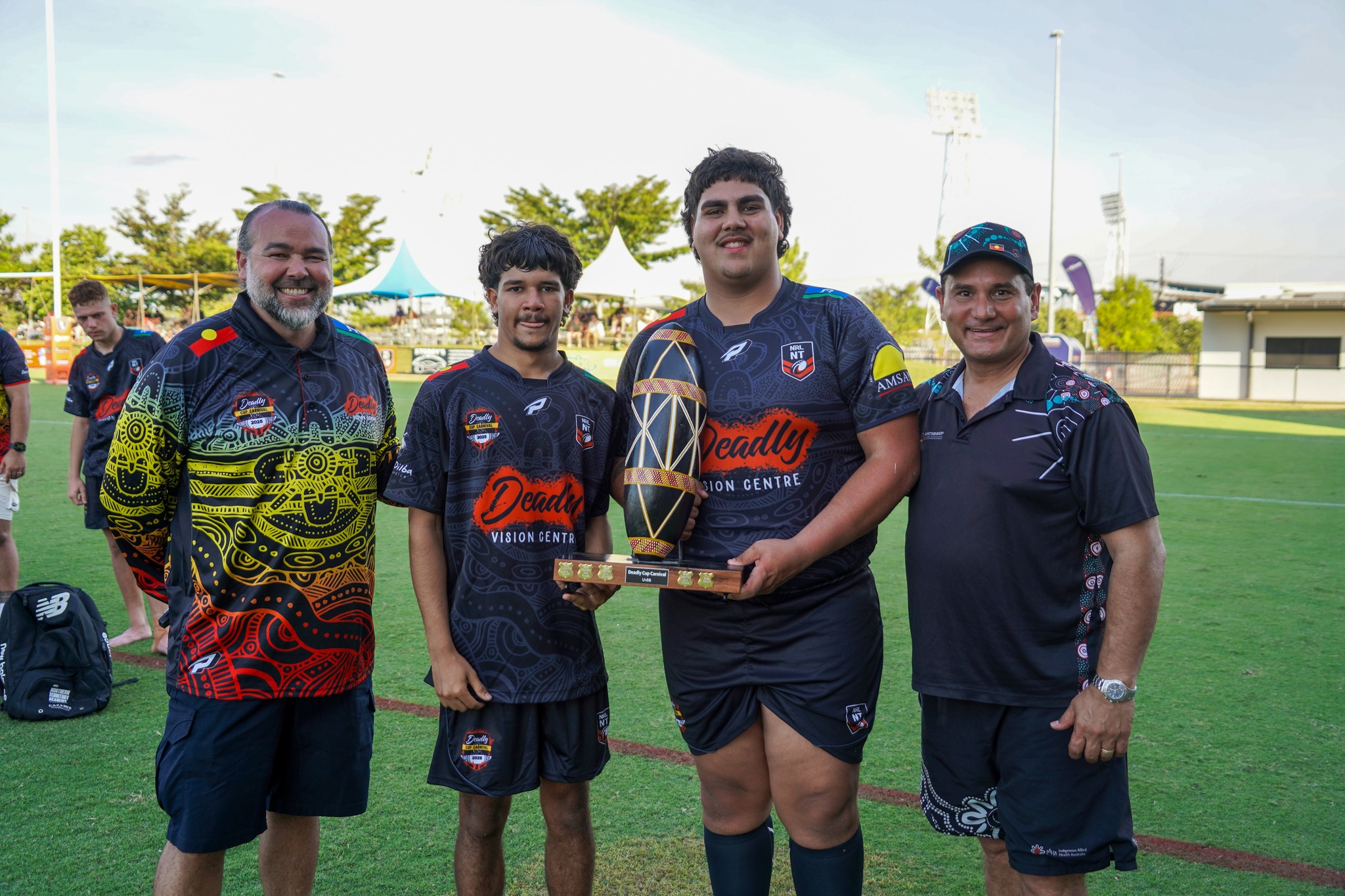
Across the day, modified games will be played featuring Indigenous All Stars and NT All Stars teams from under 14s through to under 18s, including U14 boys, U15 girls, U16 boys, U17 girls and U18 boys, creating opportunities for young people to represent, build confidence and showcase their talent.
Alongside the action on the field, the Deadly Health Expo continues to be a cornerstone of the event. With more than 80 per cent of attendees engaging with services and information on the day, the expo plays a critical role in improving awareness and access to health and wellbeing support.
The event is also smoke, vape, drug and alcohol free, reinforcing its focus on positive lifestyle choices and long-term community outcomes.
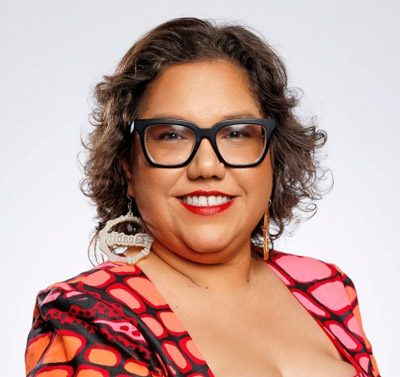
For Deadly Vision Centre CEO, Shaun Tatipata, the growth of the event reflects the strength of community ownership and collective effort.
"It's something I'm really proud of. The Deadly Cup shows what can happen when community leads something and everyone gets behind it," he said.
"I think the event has grown because mob have taken ownership. Partners like IAHA, Danila Dilba Health Services, NAATSIHWP and AMSANT have been there from day one, and sponsors, volunteers and families keep showing up. You can feel it on the day. It's not just an event anymore, it's something our community is connected to."
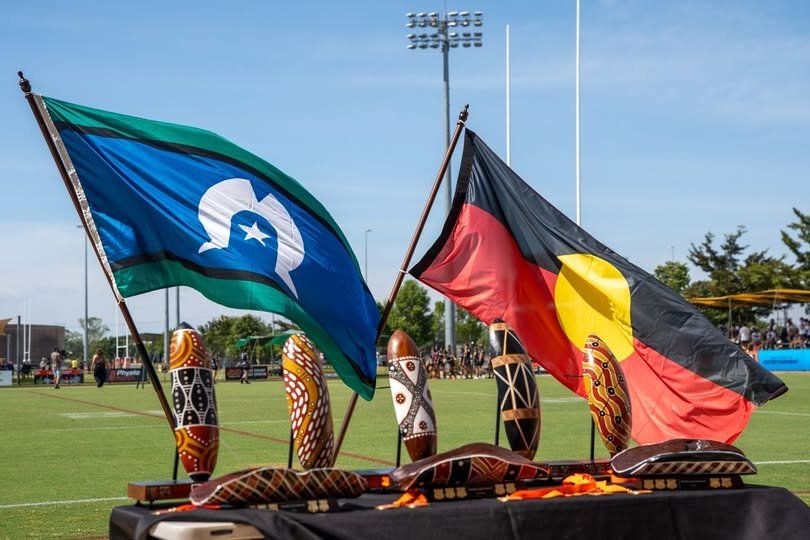
Mr Tatipata said the unique combination of sport, culture and health is what makes the Deadly Cup so effective in engaging Aboriginal and Torres Strait Islander communities.
"That combination works because it reflects how our mob engage. Sport brings people in, culture keeps us grounded, and health becomes something we can yarn about in a way that feels safe and natural," he said.
"When trusted organisations show up alongside community, it breaks down barriers and creates real engagement."
Young people remain at the centre of the event, with the Deadly Cup providing more than just a game day experience.
"We're seeing young people step up with confidence and pride. It's not just about footy. It's leadership, identity and being part of something bigger," Mr Tatipata said.
"They're connecting with role models, organisations and opportunities, and that exposure can change pathways."
As NAIDOC Week 2026 marks Fifty Years of Deadly, the event takes on added significance, reflecting both the strength of past generations and the opportunity to invest in those coming through.
With rugby returning to Richardson Park, organisers are now calling on community, businesses and organisations to step forward and support the continued growth of the event.
"Partnerships are what make this event possible. As we return to Richardson Park, we're focused on strengthening those relationships and welcoming others who want to stand with community," Mr Tatipata said.
"It's about backing something that continues to grow and deliver real impact."
Support is needed across infrastructure, cultural programming and the delivery of the health expo, with organisers emphasising that continued investment will ensure the event remains free, inclusive and community led.
There is also a broader opportunity for organisations to engage directly with community through the Deadly Health Expo, building relationships and contributing to stronger health, social and economic outcomes.
For many, the return to Richardson Park carries deep cultural and historical significance.
"Bringing it back to Richardson Park is powerful. It's a place our Elders and families hold strong memories," Mr Tatipata said.
"During NAIDOC Week, it's about honouring that history while building something for the next generation. We want people to come down, reconnect and feel proud to be part of it."
As the countdown to NAIDOC Week begins, the Deadly Cup once again positions itself as more than a sporting event. It is a trusted, community driven platform that continues to strengthen pride, improve wellbeing and create pathways for the next generation.
With strong community backing, organisers hope this year's event will be the biggest and most impactful yet.
The Deadly Cup Sponsorship Prospectus is available online.



