



Indigenous advocates say the NT government's bail changes, which come into effect Monday 6 January, are part of a justice strategy that dehumanises First Nations children.
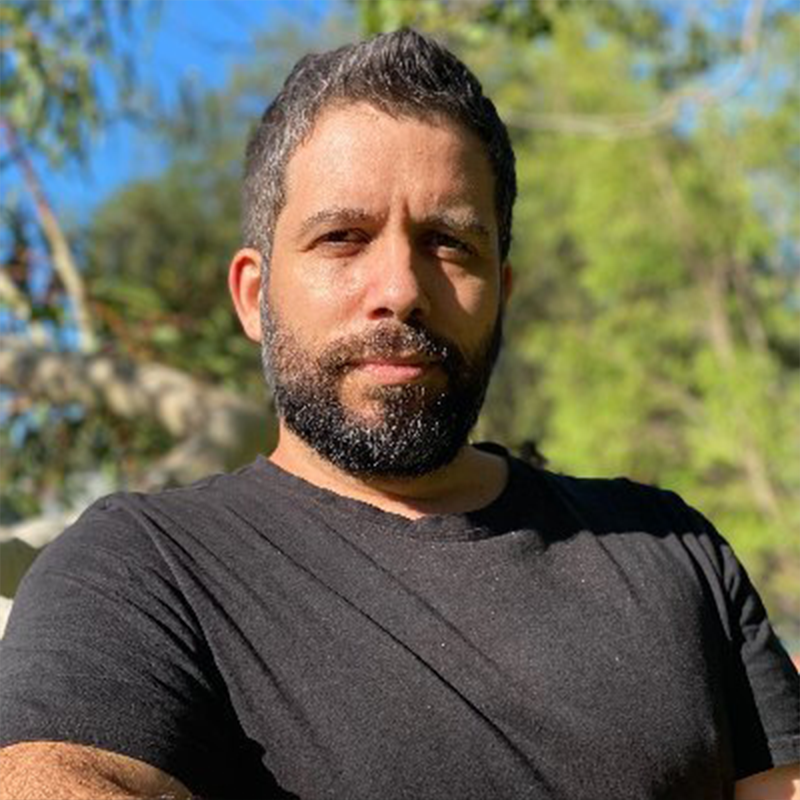
Nyikina woman and long-time Close Don Dale campaigner Natalie Hunter said on Monday: "For years, we have stood up to the NT Government."
"We have tried to make them see sense, repeated the same facts and statistics and explained the evidence. We have told our own harrowing personal stories, hoping someone would listen," she said.
Ms Hunter is a spokesperson for the newly formed group Justice Not Jails, which is a grassroots community response to the CLP's "tough on crime" reforms introduced during the October sitting period last year.
The changes included lowering the age of criminal responsibility from twelve back to ten and introducing presumptions against bail.
"In the Northern Territory, Black children are dehumanised at every turn," Ms Hunter said.
"They are stolen from their families and severed from their Culture. They're left out of education. They're locked up and treated like animals."
Justice Not Jails noted that the NT prison system is "notoriously overcrowded, presenting serious physical and mental health risks to prisoners", and said that "virtually 100 per cent of children in NT detention centres at any given time are Black".
Late last month it was confirmed that more than one in 100 Territorians are now in prison as numbers have soared under the Country Liberal government.
Earlier in December, the NT government appeared to celebrate the skyrocketing prisoner numbers.
Justice Not Jails member Yvonne Dunn said on Monday she wants the NT community to understand the destructive impacts of 'tough on crime' laws.
"Most of these kids are experiencing poverty, disability, removal, poor health, low education, and trauma, all before ten years old. And we expect a ten-year-old to be the bigger person, to always regulate their feelings, to never step out of line," the Tiwi woman said.
"Many children in remote communities also have a lack of understanding about the new laws. They believe it doesn't affect them."
Justice Not Jails said the CLP's social policy – for example fining parents $370 when their children don't go to school – is based on "a flawed ideology of individual responsibility that only serves to entrench vicious cycles of poverty, trauma and criminalisation".
"The same urgency with which the CLP has acted to crack down on what it calls 'anti-social behaviour' has not been afforded to addressing the structural drivers of crime. The rates of youth homelessness in the NT are almost 12 times the national average and the social housing wait times are between 6-10 years," Justice Not Jails noted in a joint statement.
The advocates said investing in measures to support First Nations-led solutions to homelessness, substance abuse and general disengagement would go a long way to improving community safety, but the CLP would rather "waste taxpayer money on police and prisons when there is no evidence they work to prevent or reduce crime", while simultaneously complaining about debt.
Ms Hunter noted that seven years ago, the Royal Commission into the Protection and Detention of Children in the Northern Territory had "laid bare the horrific and criminal treatment of Black children in prisons".
"The CLP was disgraced. They admitted that there was no evidence for their "tough on crime" policies. They admitted that they only did it to win votes. And now they've done it again," she said.
Justice Not Jails warned against the CLP pushing ahead with plans to permanently transfer youths from the Alice Springs Youth Detention Centre more than 1500km away to the Holtze Youth Justice Centre, making it harder for family to visit, and separating children from crucial family support and from their spiritual lineage.
"The fact is that you can't have 100 per cent Black children behind bars without dehumanising them," said Ms Dunn.
"These new laws directly target Black children, especially those that come from remote communities. You have to be racist/ignorant to think these laws will benefit the community.
"We need everyone to stand up to this government. Especially the peak bodies, the service providers, and the organisations that are funded to support our children."



