




Researchers in the Northern Territory are conducting a study to determine if an additional vaccination would better protect Indigenous infants from rotavirus.
A highly infectious gastrointestinal disease which causes vomiting, diarrhoea and dehydration, rotavirus is the leading cause of paediatric diarrhoea deaths worldwide.
Since the global introduction of oral rotavirus vaccines in 2006, early childhood deaths due to the virus have dropped significantly - approximately 500,000 to little more than 200,000 - with oral rotavirus vaccines, which are administered through Australia's National Immunisation Program, having almost eliminated severe rotavirus disease for most Australian children.
However according to the Royal Australasian College of Physicians (RACP) Foundation, hospitalisations of Aboriginal and Torres Strait Islander children in rural and remote northern Australia remain more than 20 times higher than for non-Indigenous children in southern states and territories.
The research project into whether Indigenous children six to 12 months old should receive a third booster dose of rotavirus vaccine is being headed by paediatrician and Royal Australasian College of Physicians Fellowship award recipient, Dr Bianca Middleton, who says clinicians are urgently seeking new ways to better protect Aboriginal and Torres Strait Islander children from diarrhoea illness.
"Right now, the rotavirus vaccine is not fully protecting Aboriginal and Torres Strait Islander children against severe rotavirus disease, and we still see young children being admitted to hospital with rotavirus infection," Dr Middleton said.
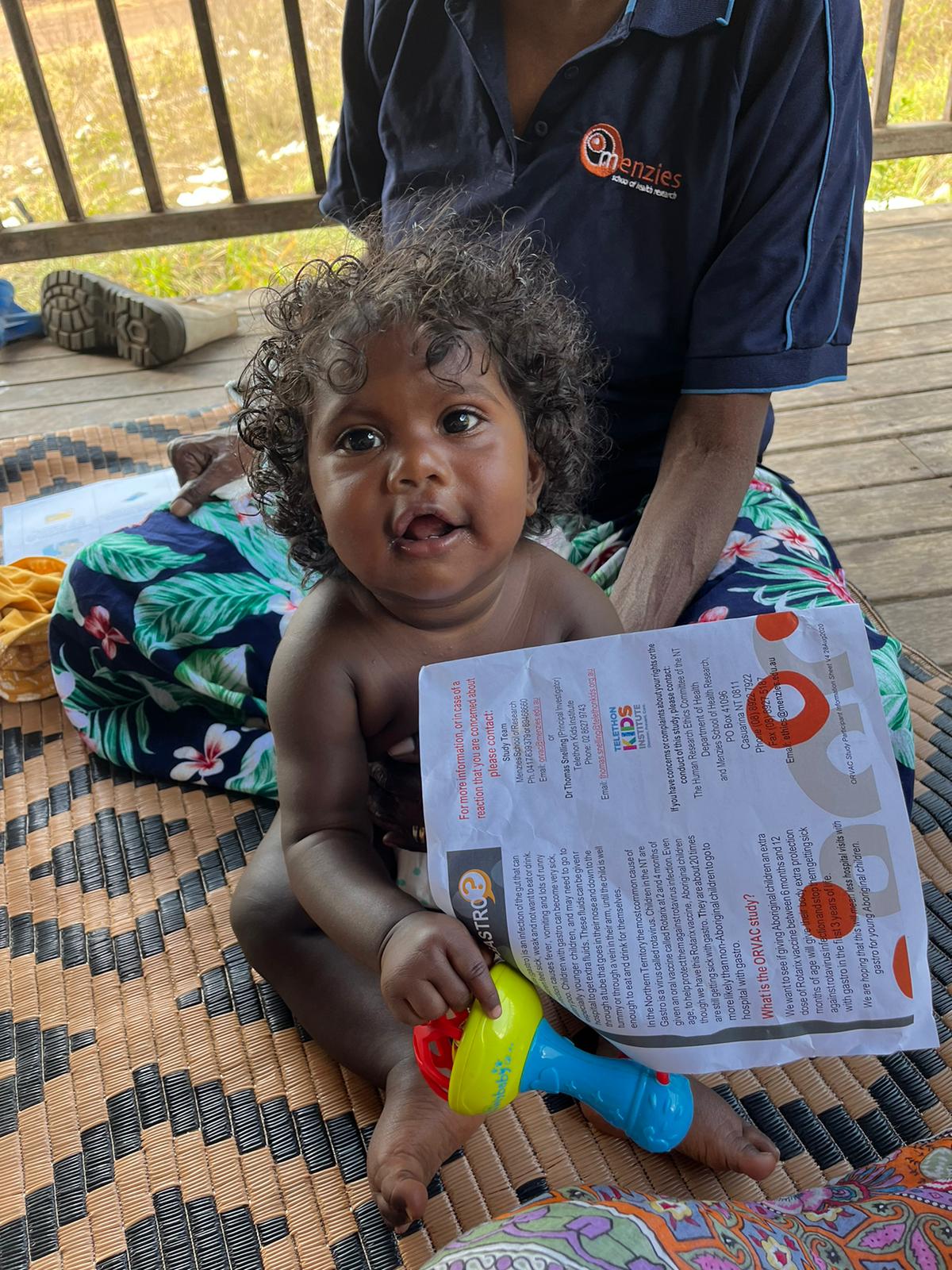
"Children under the age of two years are most susceptible to developing severe cases of rotavirus, which can lead to dehydration and hospitalisation."
Dr Middleton and the RACP research team are currently conducting a world first clinical trial to determine whether Aboriginal and Torres Strait Islander children should receive a third booster dose of rotavirus vaccine in the second six months of life.
"At present all Australian children receive two doses of oral rotavirus vaccine - at 6 weeks and then again at 4 months old – as part of Australia's National Immunisation Program," she said.
"Our clinical trial is testing if giving a third booster dose of oral rotavirus vaccine between the ages of six to less than 12 months will provide better protection against severe rotavirus disease and stop children going to hospital."
The trial, which began in 2018, currently has 800 Indigenous children enrolled, with 1000 children expected to have participated by its completion.
Participating children will be monitored until they are three years of age to determine whether an additional booster prevents them from presenting to healthcare centres and hospitals for treatment of severe dehydration and diarrhoea.
Dr Middleton said hospitalisation of children living in remote communities in the Northern Territory puts pressure on both families and healthcare services.
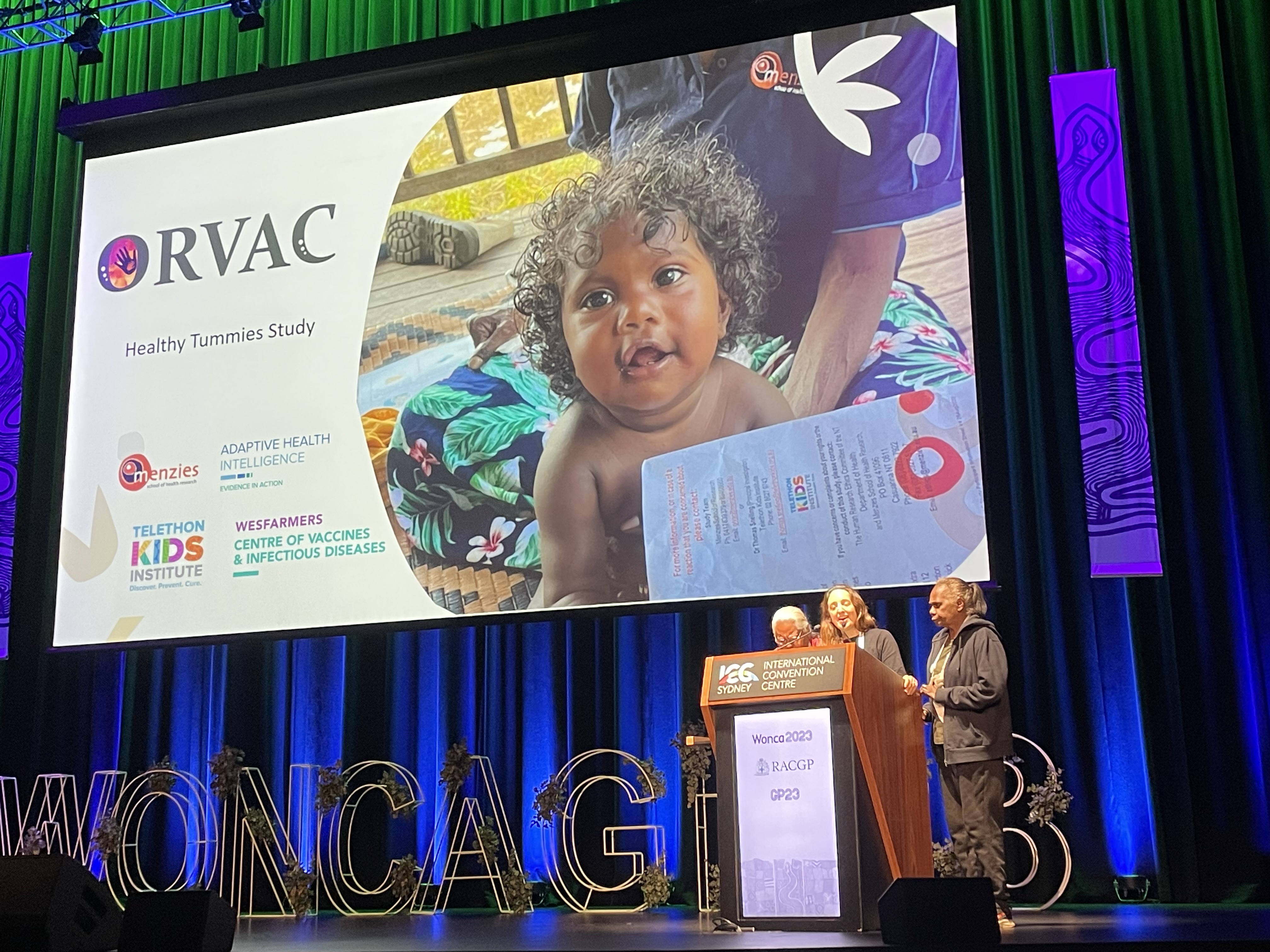
"(It) often involves aeromedical retrieval services to fly the children and their families to the nearest hospital which can be several hundred kilometres from their home – it places enormous strain on health services, retrieval services, families and remote communities as a whole," she said.
Dr Middleton said the vaccine has already saved the lives of countless children across the globe, with some children needing additional protection against the potentially fatal condition.
"Worldwide, rotavirus is still a deadly disease, especially in Africa, Southeast Asia, and unfortunately, in places such as the Northern Territory. However, we are confident that our study will show the extra booster will keep vulnerable children out of hospital wards," she said.
"(We) are hopeful our research will not just help kids in the Top End, but also children in other global hotspots in Southeast Asia and across Africa."
The paediatrician added that the research team is confident their study will show the extra booster will keep vulnerable children out of hospital wards.
"If, as we predict, the booster will give children advanced protection, we expect the extra dose will be recommended for Aboriginal and Torres Strait Islander children as part of Australia's National Immunisation Program," Dr Middleton said.



