




Nyaliga Rangers are playing a key role in the fight against cane toads in Western Australia.
Motion sensor cameras have detected cane toads more than 250 times, revealing the extent of the invasion in the eastern Kimberley region.
Cameras were left out for two months at a time and were deployed in 141 locations between August 2020 and October 2022.
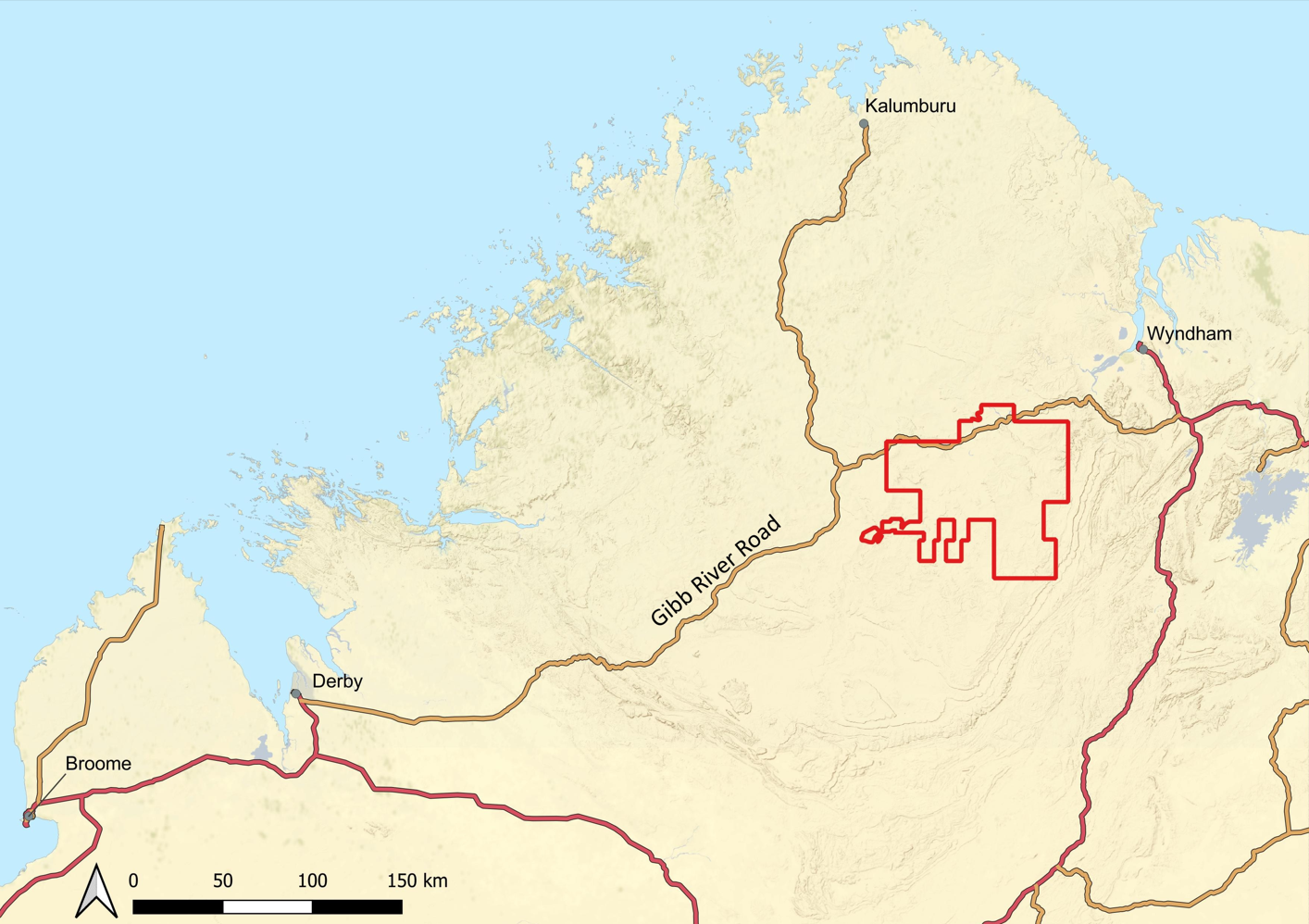
It was the first extensive wildlife survey ever undertaken across Nyaliga Country, made up of two former cattle properties – Durack River and Karunjie Stations – covering almost 640,000 hectares.
The World Wide Fund for Nature-Australia supported the Nyaliga Ranger team to use sensor cameras for the first time on their Country.
Mammals are declining in the Kimberley and the camera surveys recorded which species are out there and where. The surveys helped identify areas of high conservation value for rangers to protect.
Nyaliga Ranger Clayton Victor noted that knowledge of which species are in the region is valuable.
"As an Aboriginal person, our wildlife is very important to us and has been for thousands of years. We sing about them, do dances about them, they're in our rock art paintings. They're part of our culture and our way of living as Aboriginal people," he said.
WWF-Australia conservation field officer Nick Weigner said one of the survey highlights was the discovery of a species the team was not expecting to see.
"We were most excited to find the Ningbing false antechinus. It's a very cool little carnivorous marsupial, about 15 grams in weight. They are a secretive and elusive species never before recorded in Nyaliga Country," he said.
"We found the Ningbing in a remote gorge area in the north, it's very rocky terrain which might have helped it persist despite the presence of feral species."
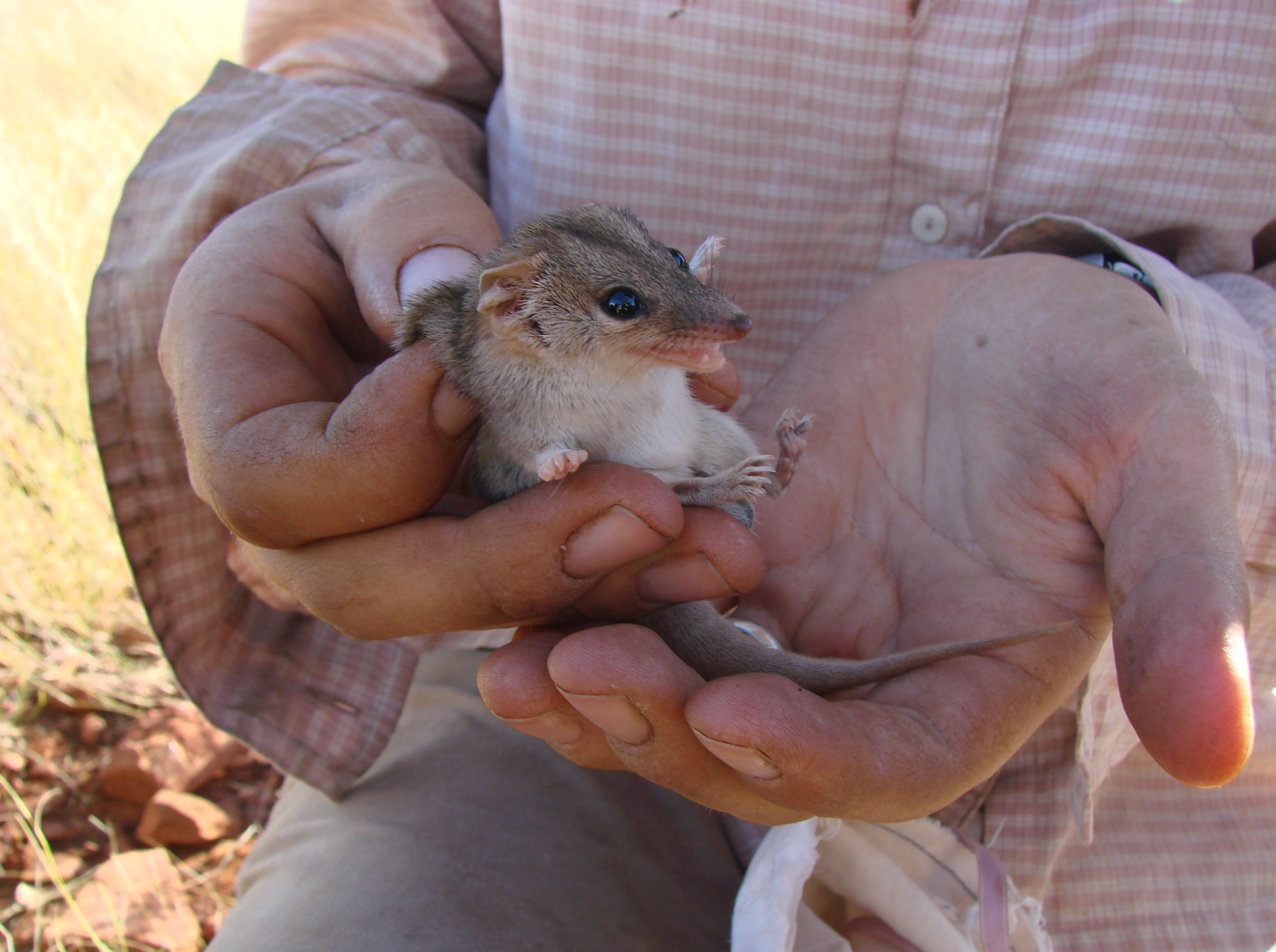
The cameras also detected other native species including northern nail-tail wallabies, short-eared rock-wallabies, dunnarts, echidnas, and various reptile and bird species.
However, pest species dominated the survey. Cameras detected cane toads 256 times across 20 sites, cats 52 times across 34 sites, and cattle 145 times across 15 sites. The western chestnut mouse was the only native animal more abundant than toads, cats and wild cattle in the camera survey results.
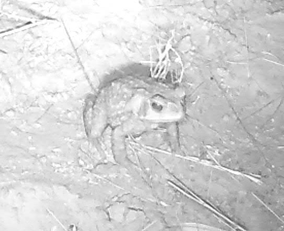
Wilinggin and Nyaliga Aboriginal Corporations are supporting the Nyaliga Ranger's efforts to manage pest species, destock cattle, and use Right-Way cultural fire management.
Nyaliga Ranger Silas Purcell noted that the cane toad invasion had hit the goanna population hard, with only two goannas detected across three years of sensor camera surveillance.
"When the cane toads came through, definitely the goanna population declined heaps. I think they will come back in time, once they learn they can't eat toads," he said.
WWF-Australia cultural advisor and conservation field officer Pius Gregory said cats are widespread throughout Nyaliga Country.
"You can understand it around towns but being right out there really surprised me. We have to address pest species to save native animals. We've already lost too many native species in Australia," he said.
WWF supports the Australian government's commitment to double the number of Indigenous rangers and expand the Indigenous Protected Areas Programs by 2030.



