




The combination of traditional knowledge and western science is unearthing a myriad of native creatures that inhabit Barnabinmah, located on the Murchison ex-pastoral station in Western Australia's Mid West.
The joint initiative saw Badimia Traditional Owners join forces with Western Australia's Parks and Wildlife Service and the WA Museum to conduct the Barnabinmah Biological Survey on Badimia Country, documenting the animals live amid the red dirt, bush and spinifex.
The area is joint managed by the Department of Biodiversity, Conservation and Attractions (DBCA) and Badimia Bandi Barna Aboriginal Corporation (BBBAC).
DBCA Badimia Ranger, Lance King, said he enjoys being on Country, looking after it and managing it through the joint management arrangement.
"Barnabinmah is very important to Badimia people There are some significant sites around there that we like to look after," Mr King said.
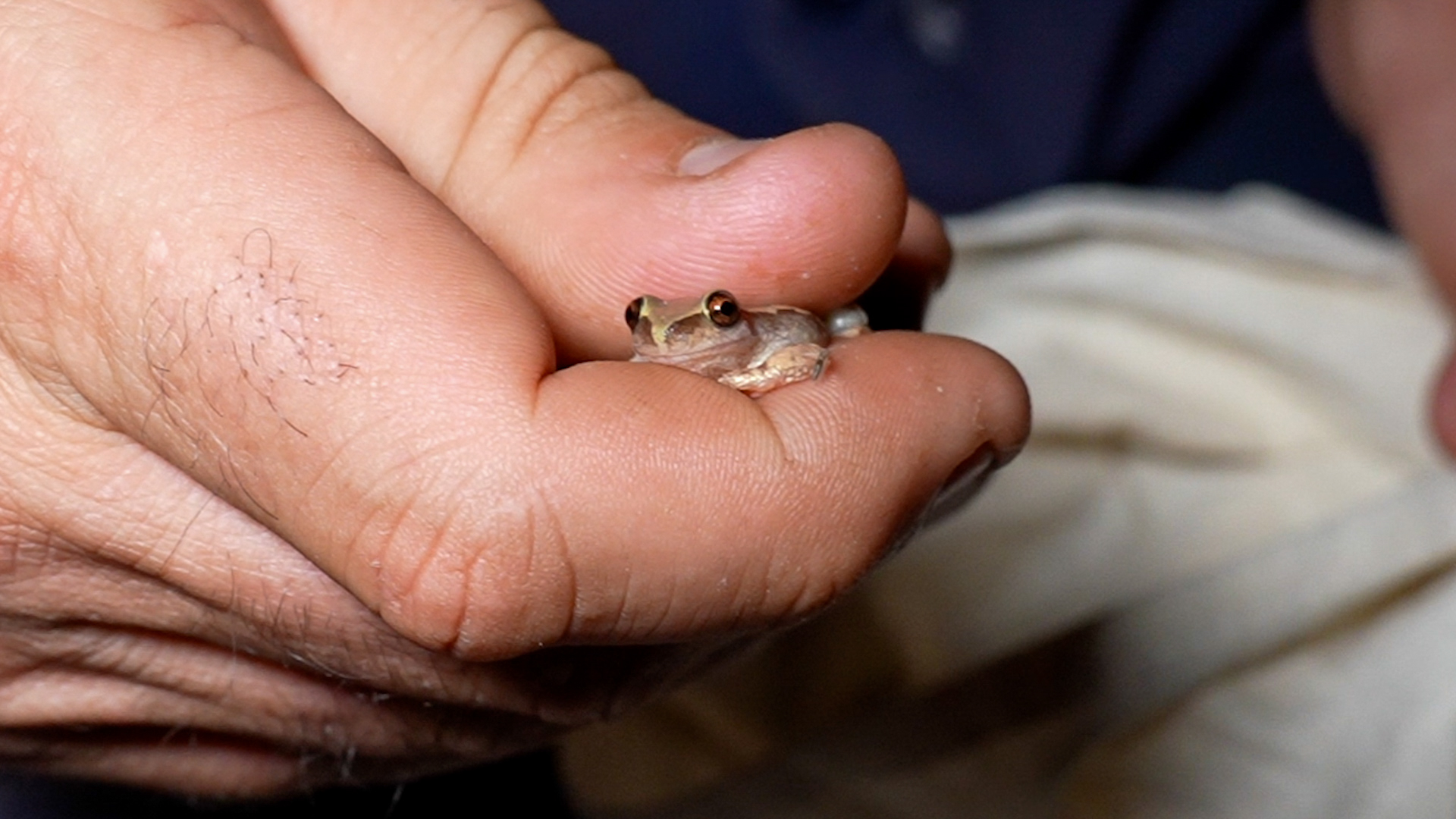
"Being on Badimia country, we just like to know what's out there. We want to look after the country as well.
"We like to know what's there, what's in that area around our sites and that. So we look after everything on country as well."
Mr King said through the biological survey various species of fauna, including 305 different geckos and lizards, were trapped or captured, many that were previous unrecorded in the Barnabinmah.
"We found 39 species types and 24 that weren't recorded before out there. So it's good to find out about the things on country that we didn't know about," he said.
Mr King said being out on Country, working and living was the best job he's ever had.
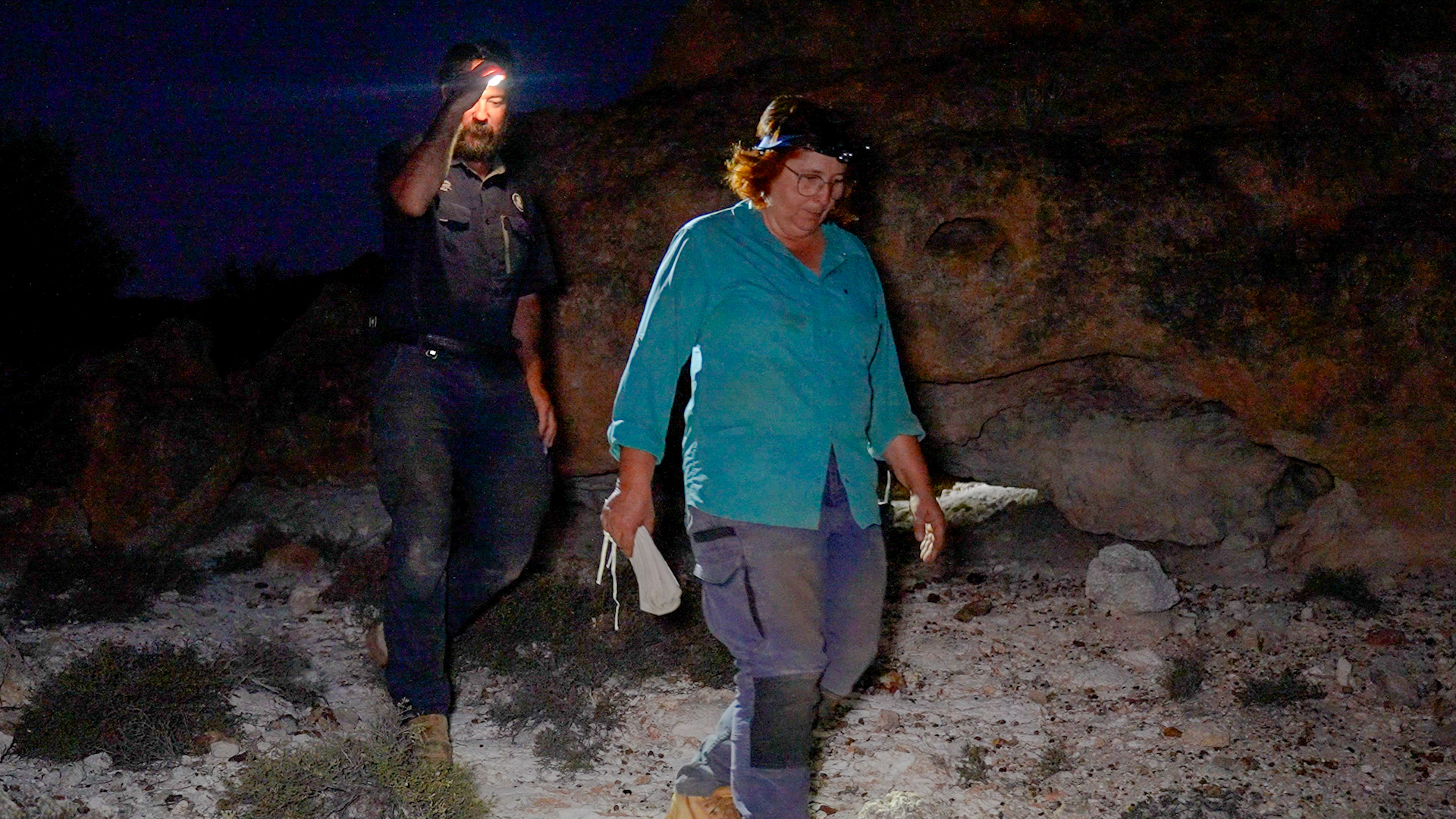
I'm just learning a lot more about the Country from from the Elders and that around there, Badimia Elders," he said.
"So there's lots for me to learn yet through that and through DBCA and looking after Country and biodiversity and all the rest of it."
The biological survey was conducted using pitfall trapping, where species walking across the Barnabinmah are obstructed by a fence, causing them to fall into a pitfall area.
This technique makes the trapped fauna, including mice and geckos, able to be collected, identified and safely released back into the environment.
DBCA Conservation Operations Officer, Dave Pongracz, said the semi-arid landscape is full of surprises.
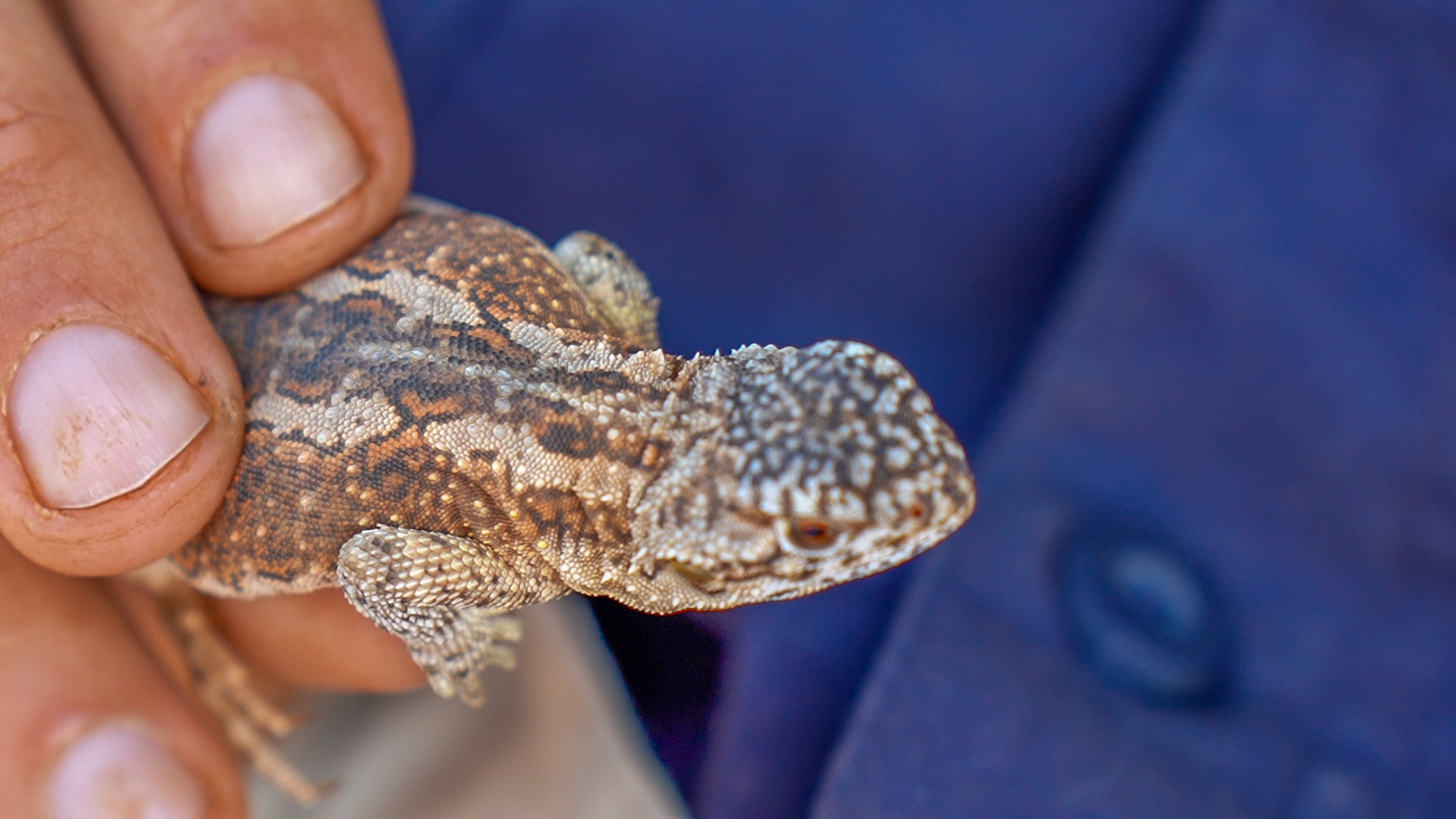
"It's such an amazing landscape here. It's really quite incredible what we have out here when you look closely and when you become more tuned in with what's around you," Mr Pongracz said.
Mr Pongracz said the decision was made to conduct the biological survey because rangeland areas are typically under surveyed.
"… We don't know what we don't know, and this helps us to catalogue what species we have," he said.
"So… we've got a baseline data of… what we have out here. There could be threatened species out here that we don't know about. And… that's one of the reasons we do it, just to get that understanding."
He said camera and night-time spotting conducted during the survey has uncovered various rock geckos, snakes, other native critters and a mallee fowl, a species not previously recorded in the Barnabinmah.
"All the diversity of things that we're getting out here is… just really quite amazing," Mr Pongracz said.



