




In what has been hailed as an important victory for renters and remote Indigenous communities, the NT Supreme Court ruled this week that the public housing landlord is legally required to supply safe drinking water to its tenants.
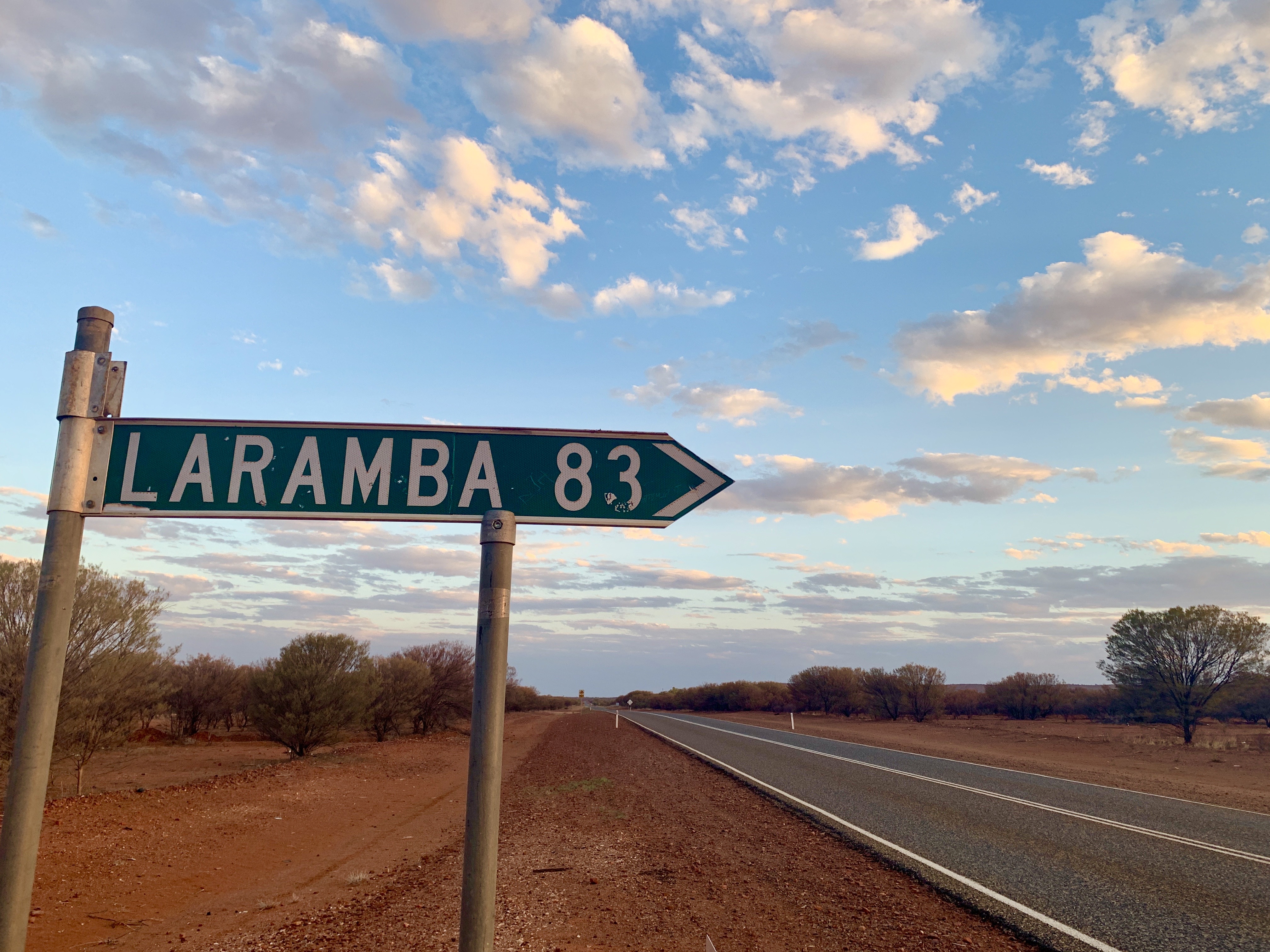
In 2019 residents of the remote community of Laramba, west of Alice Springs took their landlord, the NT Chief Executive Officer (Housing), to the NT Civil and Administrative Tribunal (NTCAT) over concerns about their drinking water, which contained uranium at levels three times the maximum safe level set out in the Australian Drinking Water Guidelines. The NTCAT found the landlord was not responsible for providing safe drinking water to its tenants. That decision was overturned by the NT Supreme Court on Monday.
Advocates said the decision "resolves a legal black hole wherein no government department or agency accepted responsibility for providing safe drinking water to people living in remote communities" and "opens an avenue for the estimated 250,000 Indigenous people who are currently unable to reliably access safe and healthy water, to seek legal redress and compensation".
Four years after the Laramba community's ground-breaking legal action, the NT Government responded by constructing a new water treatment plant for that community which opened in April. While this resolved the issue for Laramba, it did not address the issue of who was legally responsible for ensuring a safe drinking water supply nor who will compensate tenants for the health risks that came with uranium-enriched drinking water, particularly to the kidneys of long-term residents.
The residents bringing the case were represented by Australian Lawyers for Remote Aboriginal Rights (ALRAR) and barrister, Matthew Albert, at no cost to the community. Grata Fund has provided funding and support to the community throughout the legal journey.
Australian Lawyers for Remote Aboriginal Rights solicitor Dan Kelly the Laramba community had won "a landmark case that will hopefully benefit Aboriginal and Torres Strait Islander communities across Australia, who are denied the most basic of human rights, which is access to clean and safe drinking water".
"Tap water in more than 500 remote Indigenous communities across Australia isn't regularly tested and often it isn't safe to drink. Today's win has confirmed that Indigenous peoples have as much right as any Australian to safe drinking water, and the government can be held to account when they fail in their most basic obligations," he said.
"The case brought by Laramba families has delivered a win for the legal rights of remote Indigenous communities and renters across the Northern Territory.
"The decision establishes the NT CEO for Housing has an obligation to provide safe drinking water to its tenants. Remote tenants will now be able to demand their water quality be improved if it does not meet safety standards, and seek recourse for any health impacts caused by unsafe drinking water.
"For more than a decade no government department took responsibility or accepted liability for the water they were delivering to remote Aboriginal communities. It has taken lengthy legal action for this remote community to access their basic rights to safe drinking water. This should not be the case in the 21st century in a country as wealthy as Australia."
Grata Fund executive director Isabelle Reinecke congratulated the community of Laramba on their important win and "for leading the way and fighting for their rights to better health outcomes and safe drinking water for their families, and for all tenants in the NT".
In September last year Gunbalanya residents commenced legal action alleging that Territory authorities had failed to maintain public housing in remote Aboriginal communities and that the housing is "not safe, habitable, or secure, with tenants paying excessive rent for housing that does not meet basic minimum standards".
Research released in 2022 found more than half a million Australians in at least 400 remote or regional communities lack access to quality drinking water. An estimated 408 rural locations with a combined population of 627,736 people failed to measure up to health-based guidelines in 2018-2019, according to researchers at the Australian National University.



