




Two leading First Nations media figures have detailed entrenched racism, inaccurate reporting and systemic exclusion within Australian newsrooms, warning Aboriginal journalists are routinely forced to navigate misinformation, racist abuse and limited career opportunities.
In separate submissions to the inquiry into racism, hate and violence directed at Aboriginal and Torres Strait Islander people, Shelley Ware — a Yankunytjatjara, Kokatha and Wirangu woman, media presenter and teacher — and Narelda Jacobs — a Whadjuk Noongar woman and longtime journalist — argued Australia's media continues to reinforce harmful stereotypes while failing to properly represent First Nations voices.
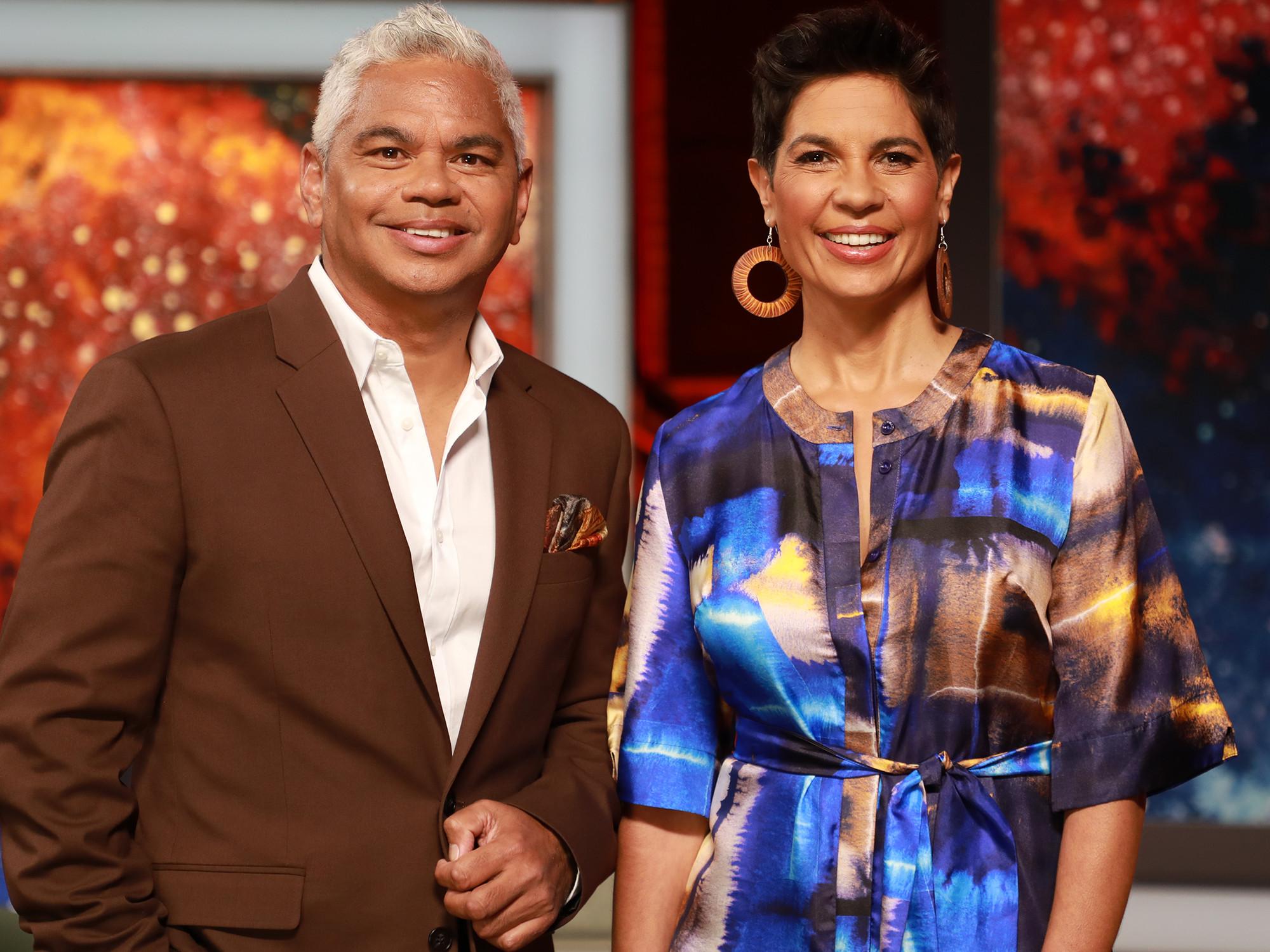
Ms Jacobs said media coverage frequently focuses on allegations of racism rather than the racism itself, leaving First Nations people disbelieved and exposed to public backlash while those responsible face few consequences.
"TV news perpetuates negative stereotypes by running file footage of Aboriginal people in handcuffs, drinking in public, rioting, living in squalid conditions, etc," she said.
"By continually seeing negative images, the Australian public view Indigenous people as sub-human and a threat. Of course, we know this to be untrue, with First Nations people excelling in every profession and successfully running community-led organisations. Yet, negative reporting isn't balanced with positive stories on First Nations issues."
View this post on Instagram
Separately, last year's Call It Out Annual Report highlighted complaints over the media coverage of Keegan Payne after the fishing competition winner was ambushed by Sky News host Peter Stefanovic with questions about allegations that he and friends had stolen a Polaris Ranger and quad bike as children. Mr Stefanovic later apologised.
"There are rarely no negative consequences for the perpetrator of the racism," Ms Jacobs noted. "In fact, they often garner more public support and sympathy."
She also criticised what she described as "false balance" in reporting during the Voice to Parliament referendum, arguing misinformation was given a platform while First Nations journalists were left to navigate hostile environments.
"I am still carrying the scars of having to interview people live on air, who were knowingly spreading untruths," Ms Jacobs said.
"As a journalist, I couldn't debate them; I could only ask questions, knowing their disinformation would be remembered by viewers more than messages of truth and hope by Voice to Parliament proponents."
First Nations journalists held back
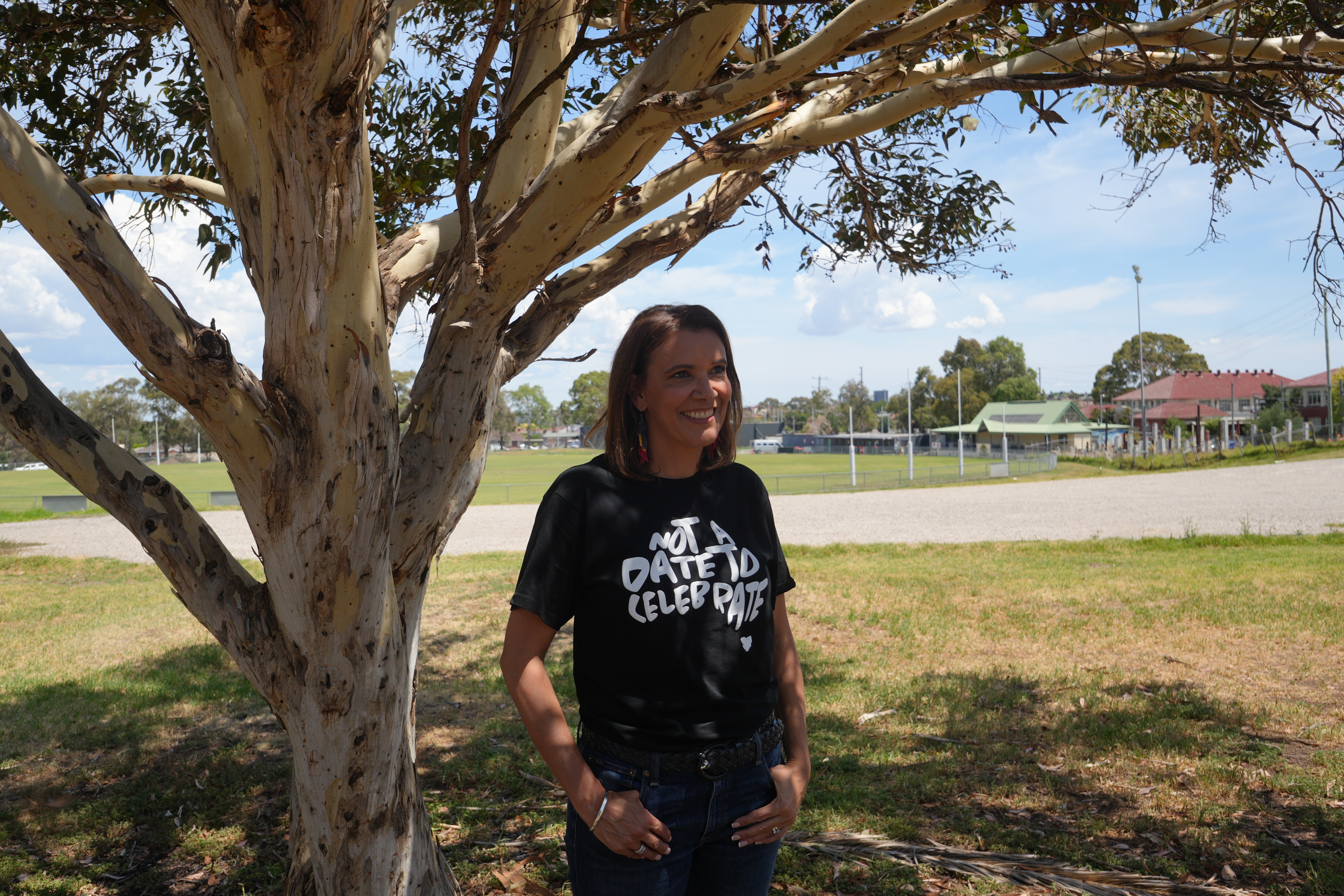
Ms Ware's submission focused on the lack of career progression for First Nations journalists, arguing Aboriginal talent is often confined to Indigenous-specific programs while non-Indigenous colleagues move into mainstream broadcasting.
"While working on the NITV AFL TV show Marngrook for 10 years as a panel member, many of us observed non-Indigenous people come through our program and move quickly into mainstream television and radio roles," Ms Ware wrote.
"At the same time, Aboriginal talent remained where we were, even though they had equal or superior talent. We joked that we were the training ground for non-indigenous people entering media. We made humour out of it because the truth was difficult to confront. Behind that humour was a pattern of exclusion."
She argued greater representation required more than Indigenous-specific media roles, arguing First Nations voices must also be present across mainstream news and current affairs.
"When Aboriginal voices are not present in mainstream media, stereotypes remain unchallenged and the public continues to receive a narrow understanding of who we are," Ms Ware said.
"Australia cannot continue to allow the repeated, unchallenged portrayal of Aboriginal and Torres Strait Islander people through a lens of dysfunction and deficit. This is not just poor journalism; it is harmful. It shapes public perception, it normalises bias, and it gives permission for racism to continue."
View this post on Instagram
The concerns were echoed by SBS and NITV, which told the inquiry First Nations journalists and staff regularly experience racism while covering stories, particularly during the Voice referendum campaign and January 26 events.
The broadcasters said the abuse had affected staff wellbeing and contributed to experienced journalists leaving the industry.
"First Nations staff covering the Voice to Referendum were exposed to racism ideology, signage and commentary in the field, particularly when covering events and perspectives against the Voice," the submission read.
"This is one example of a broader pattern in which First Nations journalists are exposed to hostility in the course of their work."
In her summary, Ms Jacobs argued most Australian newsrooms still lack anti-racism and cultural awareness training. She urged the inquiry to adopt media-related recommendations from the National Anti-Racism Framework and recommend mandatory anti-racism training across the industry.
"The media needs to make amends for historically perpetuating racism and should now embrace its responsibility to report First Nations issues with nuance and accuracy," Ms Jacobs said.



