




The Victorian Government has responded to a major recommendation of the Yoorrook Justice Report by announcing legislation making every Minister and Department, along with the Chief Commissioner of Police, jointly responsible for improving outcomes for at-risk children, young people and families.
Victoria currently has the highest number of Indigenous children in out-of-home care (OOHC), a system evidence shows often funnels young people into youth justice. Earlier this year, now Commissioner for Indigenous Children Sue-Anne Hunter said the child protection system in Victoria was "failing First Peoples".
Among its 100 recommendations, the Yoorrook Justice Commission called for amendments to the Children, Youth and Families Act 2005 to allow the Children's Court to "extend the timeframe of a Family Reunification Order where it is in the child's best interest to do so".
In response, Children's Minister Lizzie Blandthorn introduced the Children, Youth and Families (Supporting Stable and Strong Families) Bill 2025 on Tuesday. The government says the bill is based on Scotland's Corporate Parenting model and is designed to ensure more coordinated support across government agencies, including schools, health services and housing.
"Child protection is everyone's job and by working together across Government, we'll give children the support they need to thrive," Ms Blandthorn said.
"Every child deserves a safe, loving home — we're making sure families get the right support, at the right time."
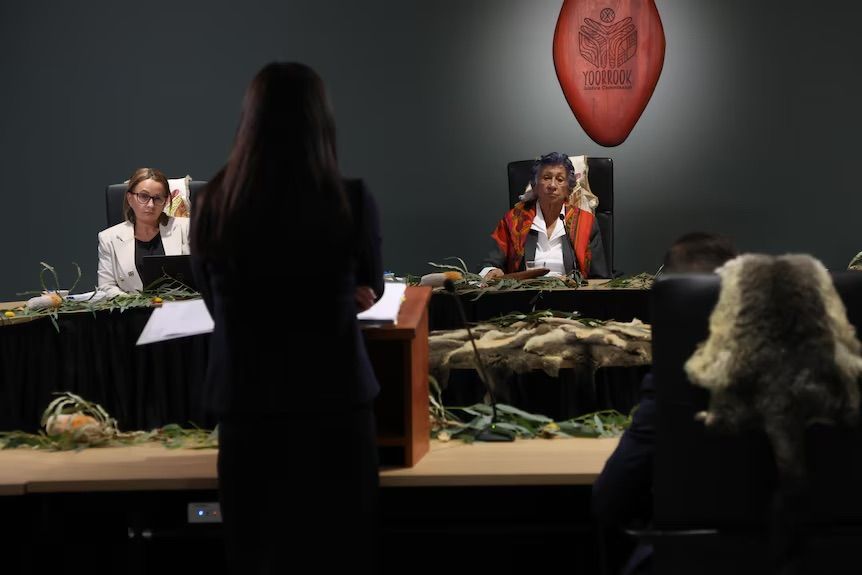
The Yoorrook report, drawing on testimony from those with lived experience of child protection, said the Victorian Government must:
- Recognise that the rights of First Peoples children in permanent care to maintain, express and develop their culture, and remain connected with their Aboriginal family, kin and community, are not being adequately upheld, and
- Urgently work with the First Peoples' Assembly and Aboriginal organisations to enact the legislative and administrative changes needed to protect these rights, including empowering ACCOs to monitor cultural care plans for Aboriginal children under permanent care orders.
The proposed amendments announced on Tuesday will remove fixed time limits on Family Reunification Orders, giving the Children's Court greater flexibility to allow more time for families to make necessary changes before reunification, where safe and in the child's best interests.
In line with recommendations from the Parliamentary Inquiry into Historical Forced Adoption, the reforms will also limit child-protection-based adoptions unless the family has voluntarily sought adoption.
The Yoorrook truth-telling commission, the first of its kind in Australia, heard accounts of child removal linked to domestic violence, poverty and racism.
Evidence included unborn notifications that allegedly result in one-in-five First Nations children being removed before three months of age, while witnesses also described First Nations victims of domestic violence being misidentified as perpetrators, and poverty being interpreted by child protection workers as neglect.
"Yoorrook Commissioners have provided the Victorian government with a roadmap to reform the system and end the injustice against our people," Commissioner Hunter told National Indigenous Times earlier this year. "Yet the system remains broken for our people. It is time for action."
In June last year, Coroner Simon McGregor found systemic racism within Victoria's child protection system after the death of a 17-year-old Wemba Wemba child, known as XY, who died by suicide after multiple requests to connect with her Indigenous culture were ignored.
The state government has been open in their acceptance that more needs to be done in the OOHC sector, whilst also highlighting that Victoria has the highest rate of Aboriginal children placed in kinship care in the country; almost 20 percentage points above the national average.



