




Victorian Traditional Owners say they have still received no response from the Corrections Minister to their submission on contentious legislation that means prisoners are no longer guaranteed daily access to fresh air.
Known as the "No Air" bill, the legislation — introduced after a Supreme Court ruling earlier this year — will limit prisoners' entitlement to fresh air in circumstances where it is "not reasonably practicable to provide the entitlement", including due to prison management requirements and the rights and safety of the prisoner or other inmates.
Despite criticism from Indigenous and legal groups and the Greens, the bill passed both houses of Parliament and received assent this week.
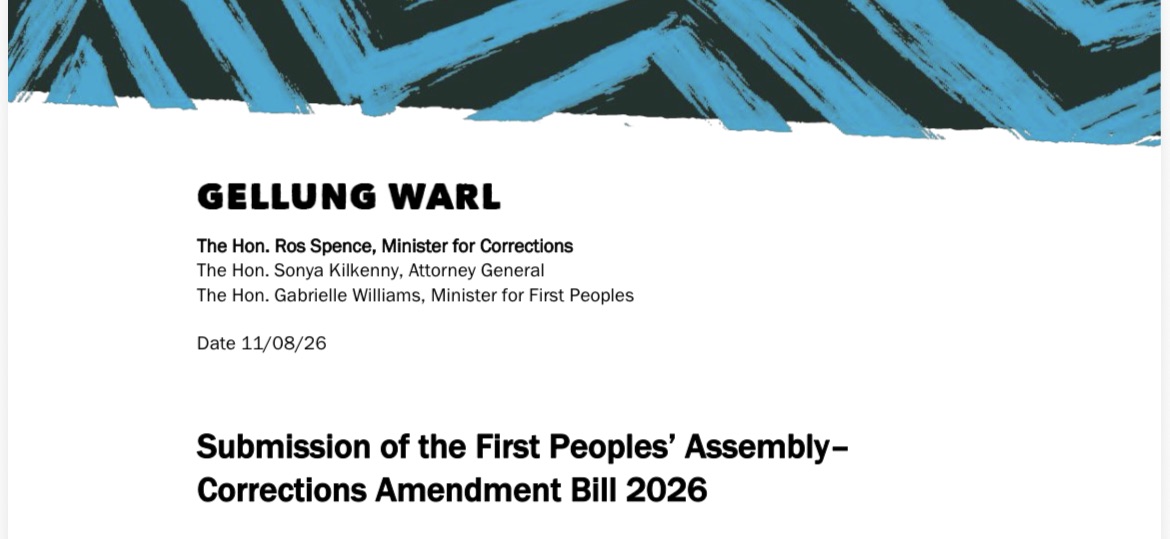
Last month, the First Peoples' Assembly — the elected body representing Victoria's Traditional Owners — submitted, as part of new powers under the Statewide Treaty Act, that the "vague excuse of 'operational considerations' should not be relied upon to erode the basic rights and conditions of all people in prison".
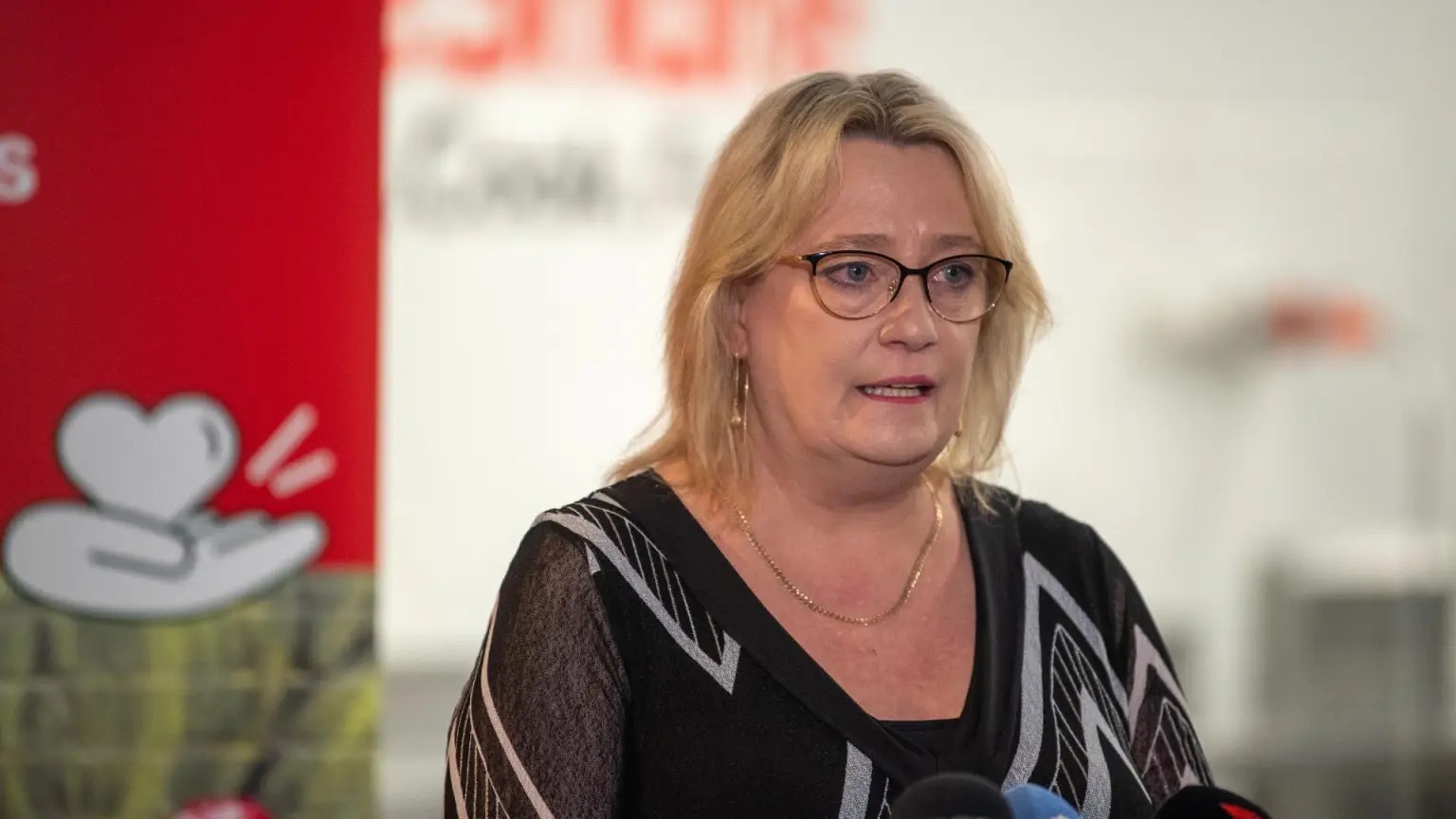
Its submission to Corrections Minister Ros Spence and First Peoples Minister Gabrielle Williams argued the legislation would have a "disproportionate impact on First Peoples who continue to be significantly overrepresented in Victoria's correctional system".
Under the Act, the Assembly, from time to time on its own initiative, may "make written submissions to a Minister about matters of interest to First Peoples". The Minister must respond to the Assembly within 60 days. As of Wednesday, National Indigenous Times understands that neither Minister has responded.
It is understood the government is considering the submission.
In a statement, Gellung Warl — the framework the Assembly sits within — said it was disappointed the legislation had been passed "without careful consideration of the concerns raised by First Nations experts and human rights advocates".
"If the Government truly believes in the purpose of Treaty, that First Peoples must be consulted and heard on issues that affect our communities, they wouldn't have rushed this legislation in the second last sitting week before the State election," Gellung Warl said.
"A Treaty entered into in good faith means more than symbolism or writing in the sand. It's about meaningful change. Treaty is about resetting the relationship between First Nations people and the State, a new relationship built on mutual trust and respect. On this metric, the Government has failed."
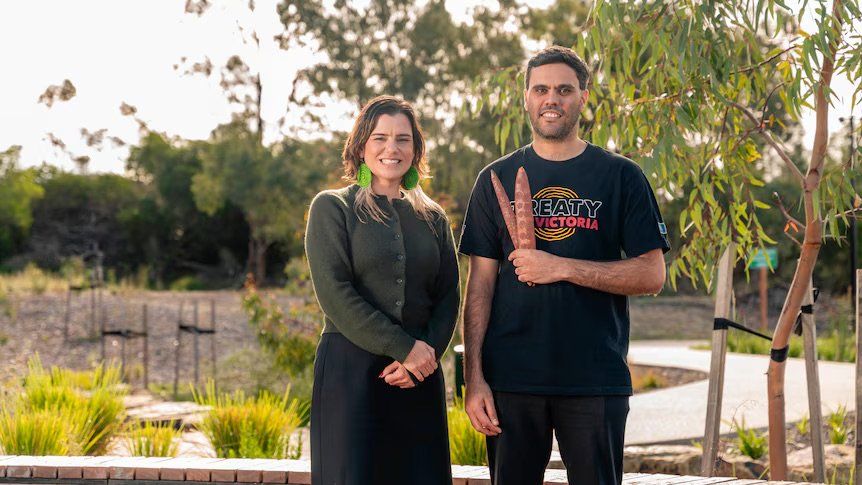
Assembly Co-Chair Djaran Murray-Jackson said the legislation is "not in the spirit of Treaty, nor is it compatible" with the Treaty Act.
"Our submission calls on the State to listen to First Peoples and withdraw the Bill immediately," he said last month.
A Victorian Government spokesperson defended the legislation, telling National Indigenous Times the changes are "operational decisions to ensure access to open air can continue to be managed safely".
"This brings us into line with other jurisdictions like NSW and clarifies the longstanding practice in law," the spokesperson said.
When introducing the bill, Youth Justice and Corrections Minister Paul Hamer acknowledged the legislation is, in part, "incompatible with human rights as set out" in the Human Rights Charter.
Those rights include protection from cruel, inhuman or degrading treatment and the right to humane treatment when deprived of liberty.
Mr Hamer also told Parliament that while the bill does not contain provisions that apply specifically to First Peoples, "the practical effect of the Bill may be to undermine inherent rights, unacceptable disadvantage inflicted, human rights and fundamental freedoms of First Peoples, given Aboriginal people are significantly overrepresented in the prison population".
"Aboriginal people are also marginally overrepresented in the number of people in prison who are separated, where the provisions in the Bill are more likely to be relied upon, given the operational challenges of providing these individuals with access to open air," he said in a statement of treaty compatibility.
"As a result, Aboriginal people may be disproportionately affected by the Bill, particularly those who have been separated in prison."
The Assembly has argued the acknowledgement is "significant" as it "recognises that the Parliament is being asked to enact a law that is inconsistent with the commitments of Statewide Treaty".
"It undermines the renewed relationship between First Peoples and the State agreed to under Statewide Treaty," they submitted last month.



