




Community leaders from all corners of the Kimberley converged on Broome this week for the Kimberley Remote Aboriginal Community Leadership Network (KRACLN) Forum.
The event drew representatives from almost 20 remote communities, all eager to share their stories, voice their challenges, and discuss solutions that matter most to them.
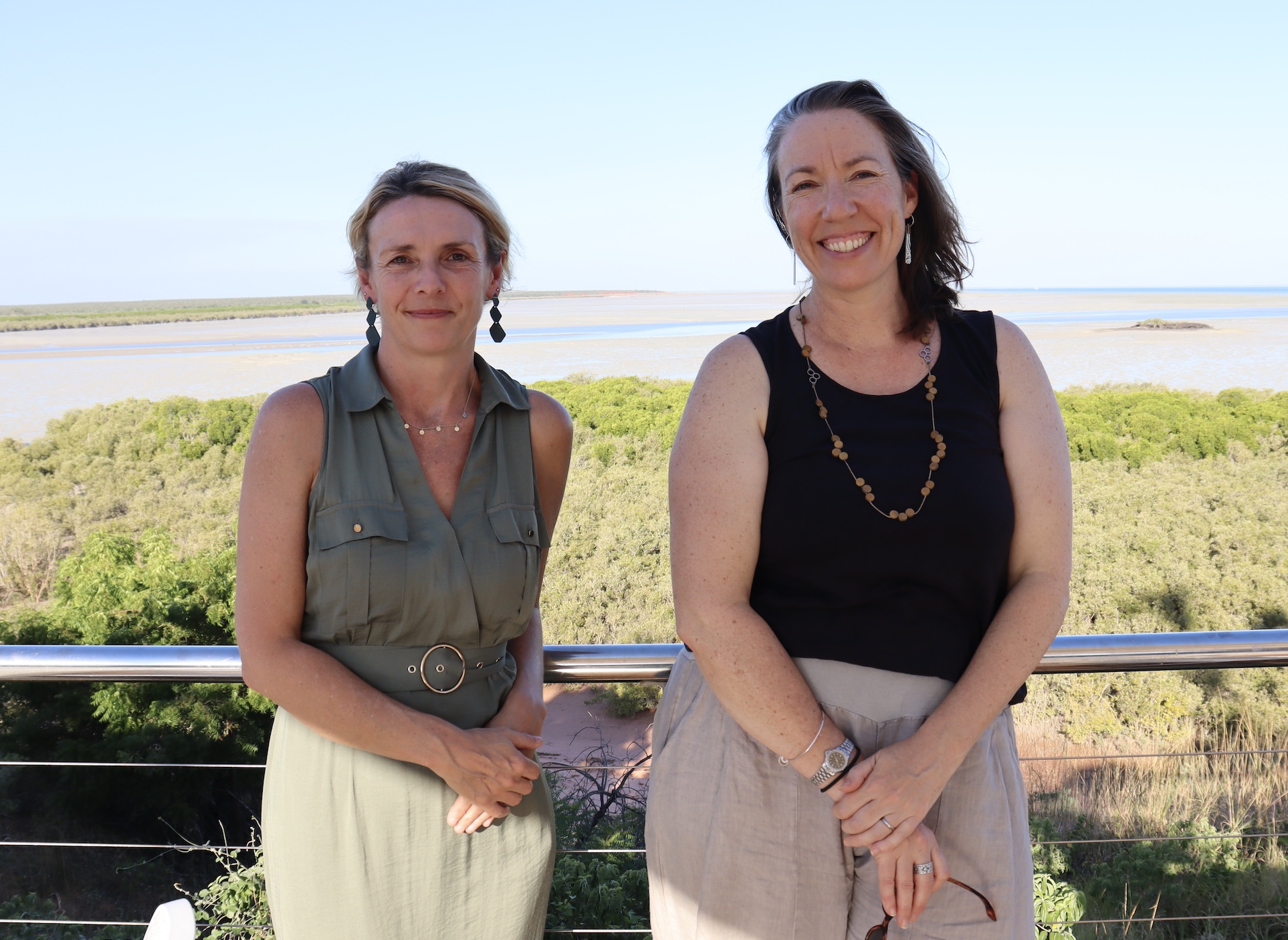
The chief executive of the Foundation for Rural & Regional Renewal (FRRR), Natalie Egleton, was among those in attendance. Her organisation has been a key supporter of the network since its early days.
Reflecting on her experience, Ms Egleton described the forum as a rare and valuable chance to listen directly to community leaders from across the region.
"Coming here was such a huge opportunity," she said.
"To have 17 out of 19 communities all in one place meant we could finally have real, face-to-face conversations."
For the KRACLN network, this forum ushers in a new chapter. It's a space where leaders from remote communities can coordinate advocacy and drive efforts to improve services across the Kimberley.
FRRR has backed the initiative through a three-year grant delivered via Nirrumbuk Environmental Health and Services, providing flexible funding to help establish and sustain the network. "
"That kind of funding is really powerful," Ms Egleton explained.
"It means the network can respond quickly to whatever comes up—whether it's supporting unexpected needs, covering operating costs, or just making sure there's solid support behind everything they do."
In just its first year, the network has already made a real difference on the ground. One example: the rollout of Starlink internet in several remote communities across the West Kimberley region, which has opened up new ways for people to connect, access services, and seize online opportunities.
The forum also allowed FRRR to hear straight from community members about how these projects have impacted them—and what challenges still stand in the way.
"We were hearing these things for the first time," Ms Egleton said.
"But I could feel the frustration in the room—people having to repeat the same calls for basic human rights, over and over."
Community leaders raised concerns about housing, water infrastructure, and access to services—issues that have lingered for years, with many saying they still haven't been properly addressed.
While Ms Egleton acknowledged that many of these challenges are ultimately government responsibilities, she stressed that solutions driven by local communities are still essential.
"There are answers that can come from within the community—we all know it doesn't have to be this way," she said.



