


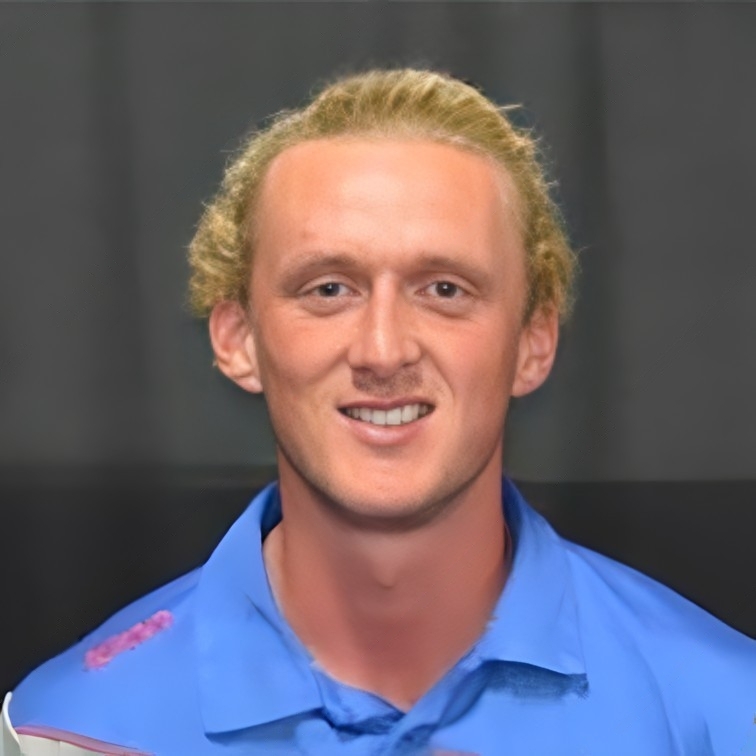

A Tasmanian Aboriginal man spoke at the recent annual Anzac Day dawn service in the French town of Villers-Bretonneux, paying tribute to the state's Indigenous peoples who served in World War I.
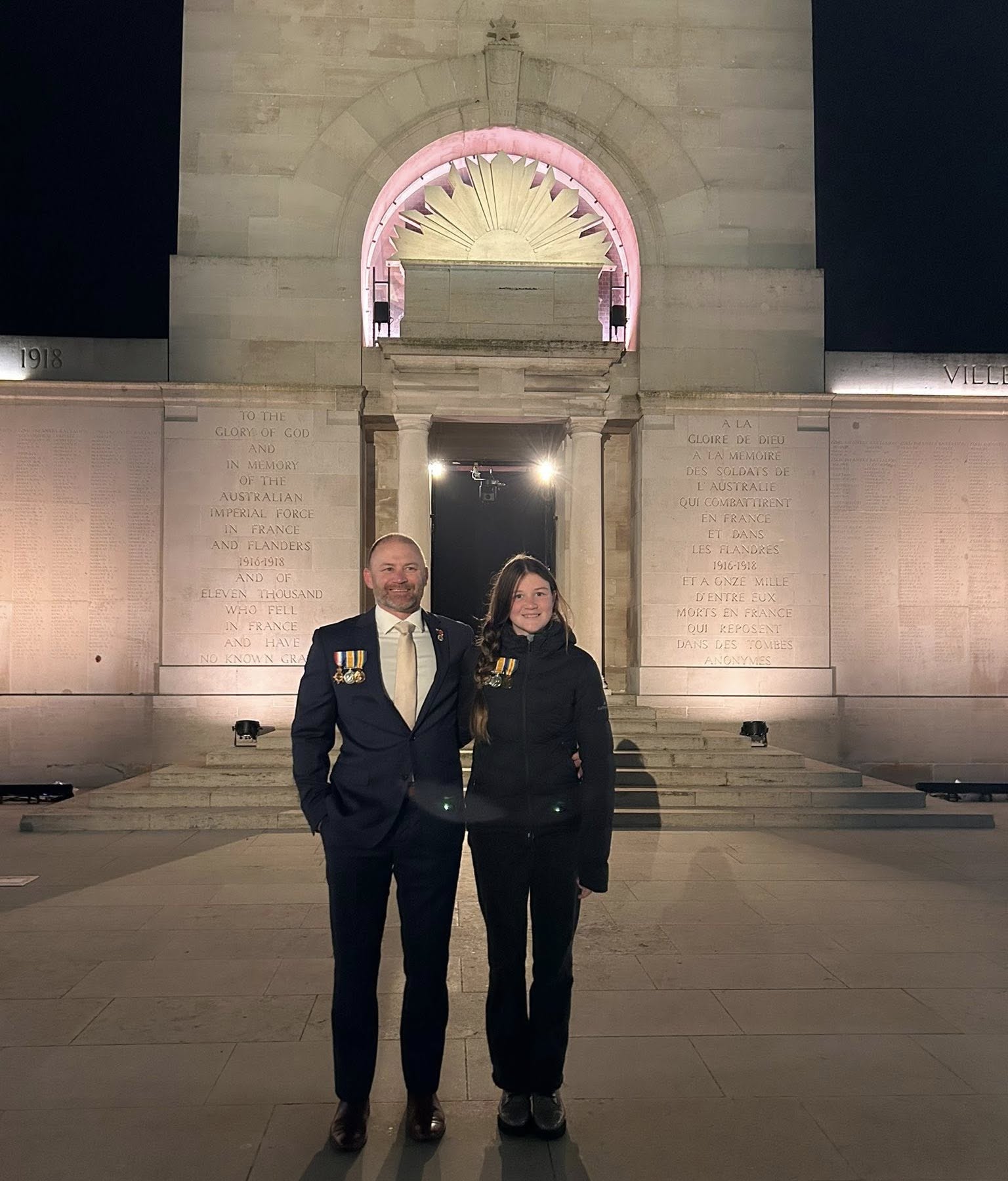
Travelling to France as part of the official Australian contingent, Mark Harriss delivered his 2025 Anzac Day address "Tasmanian Aboriginal Servicemen," 107 years after the two Australian brigades recaptured the town from the German army.
At the 2025 Villers-Bretonneux dawn service, Mr Harriss reflected on the contribution of Indigenous soldiers in the First World War, a conflict where an estimated 1,000 Aboriginal and Torres Strait Islander people served.
"We know that 69 Tasmanian Aboriginal people served within World War One, especially in the Western Front," Mr Harriss told ABC Radio Hobart following the service.
"We know that 74 Tasmanian Aboriginals volunteered and we know that the rate of enlistment was close to three times that of non Indigenous Tasmanians, which is just just phenomenal given the small pool of Aboriginal people within the state."
During his five minute speech Mr Harriss told the story of his ancestor Uncle Alfred 'Jack' Hearps, who died in the First World War.
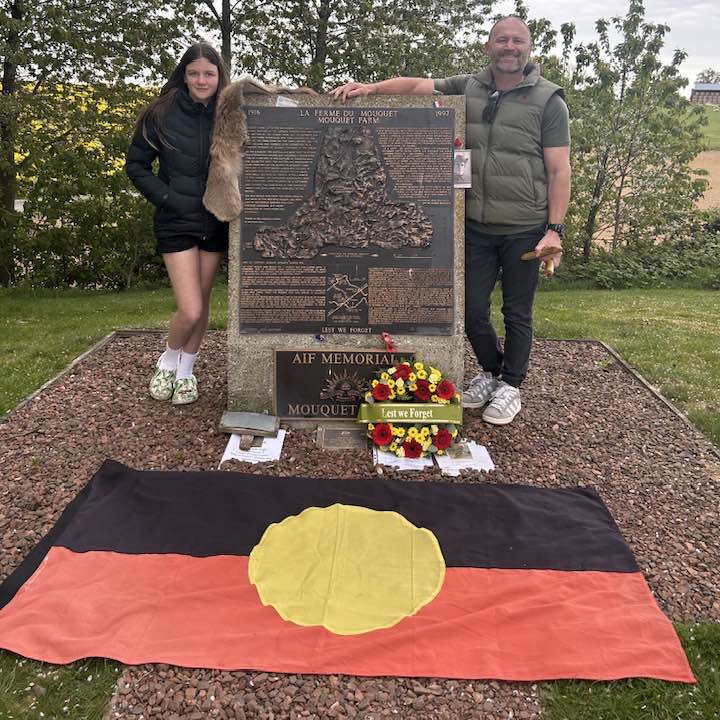
Hearps is recognised as the first Tasmanian Aboriginal person to enlist, and the first known Aboriginal commissioned officer in Australian military history.
"We honoured Alfred Hearps, who was the first known commissioned Aboriginal officer in the Australian Defence Force," Mr Harriss said.
"And he was also the first Tasmanian Aboriginal to enlist, along with some of his cousins and distant relatives.
"So we honoured him… which was absolutely fantastic."
Mr Harriss also paid tribute to other Tasmanian Aboriginal servicemen and women, including Charles Hearps, Jack Johnson, Oscar Medcraft, and 75 other Tasmanian Aboriginal servicemen who enlisted.
"When you sit back and you reflect on the sacrifices that Tasmanian Aboriginal people have made to a country that typically didn't think of them in the best light at the time, it can be quite challenging," Mr Harriss said.
Mr Harriss said he believed Indigenous Tasmanians enlisted and volunteered during World War I following previous conflict within the state.
"We know that we have just a strong connection to country and a duty to our community," Mr Harriss said.
"And as such, we saw it as a means to go and demonstrate that, but also serve a greater cause.
"We had not long gone through the black war of Tasmania… and I think that pride and tradition of defending country came through when enlistment was was asked for in the First World War."
Overall Mr Harriss said speaking at the service was a "simply amazing" experience.
"The turnout has been absolutely fantastic," he told ABC's Joel Rheinberger.
"You could have heard a pin drop over the last two to two and a half hours, which has just been simply amazing."



